
4 April 2024
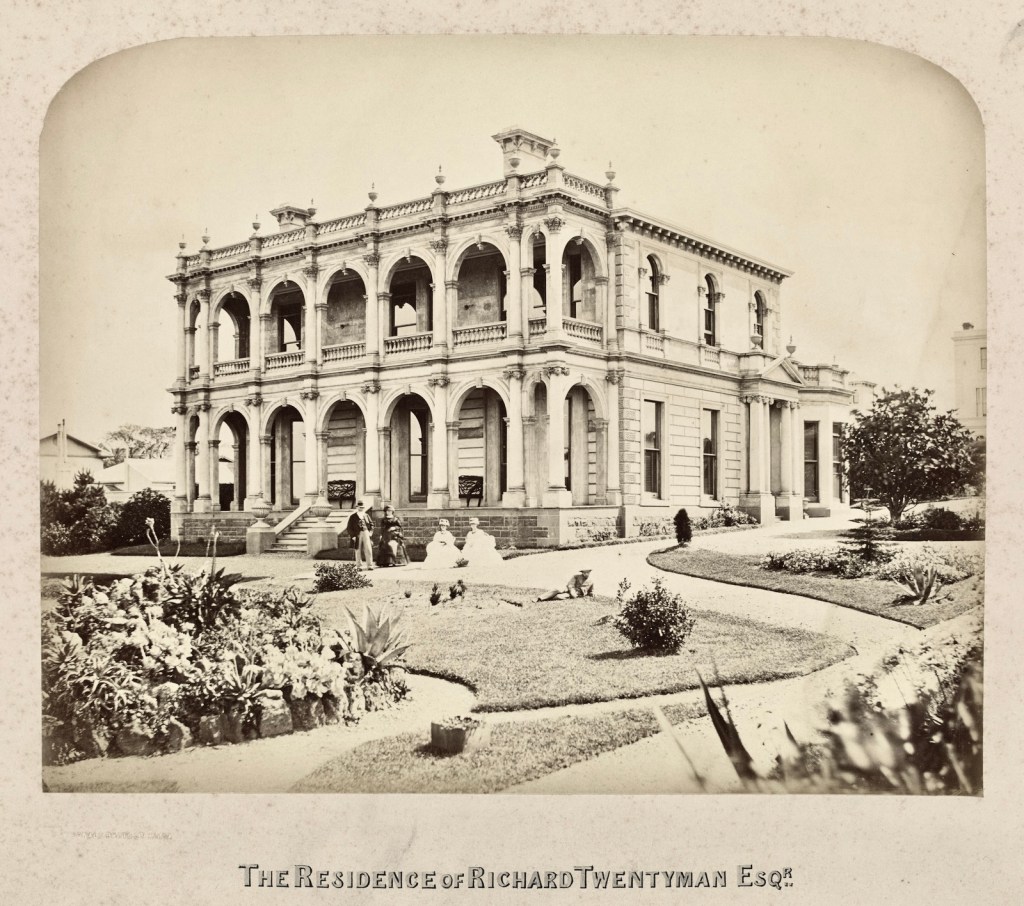
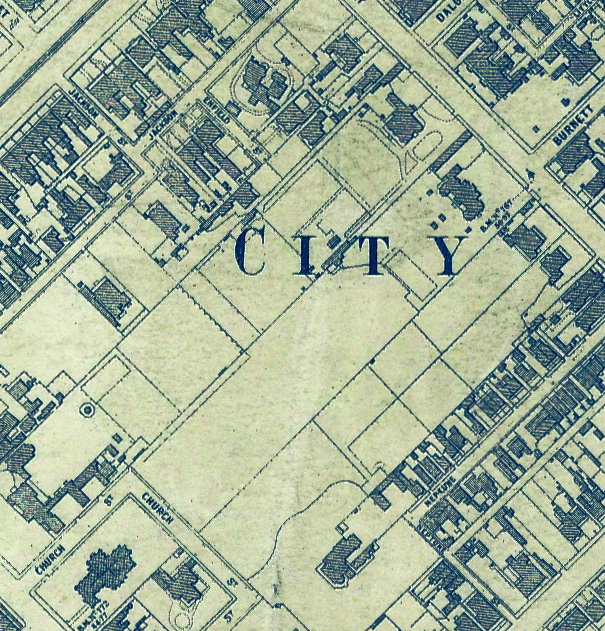
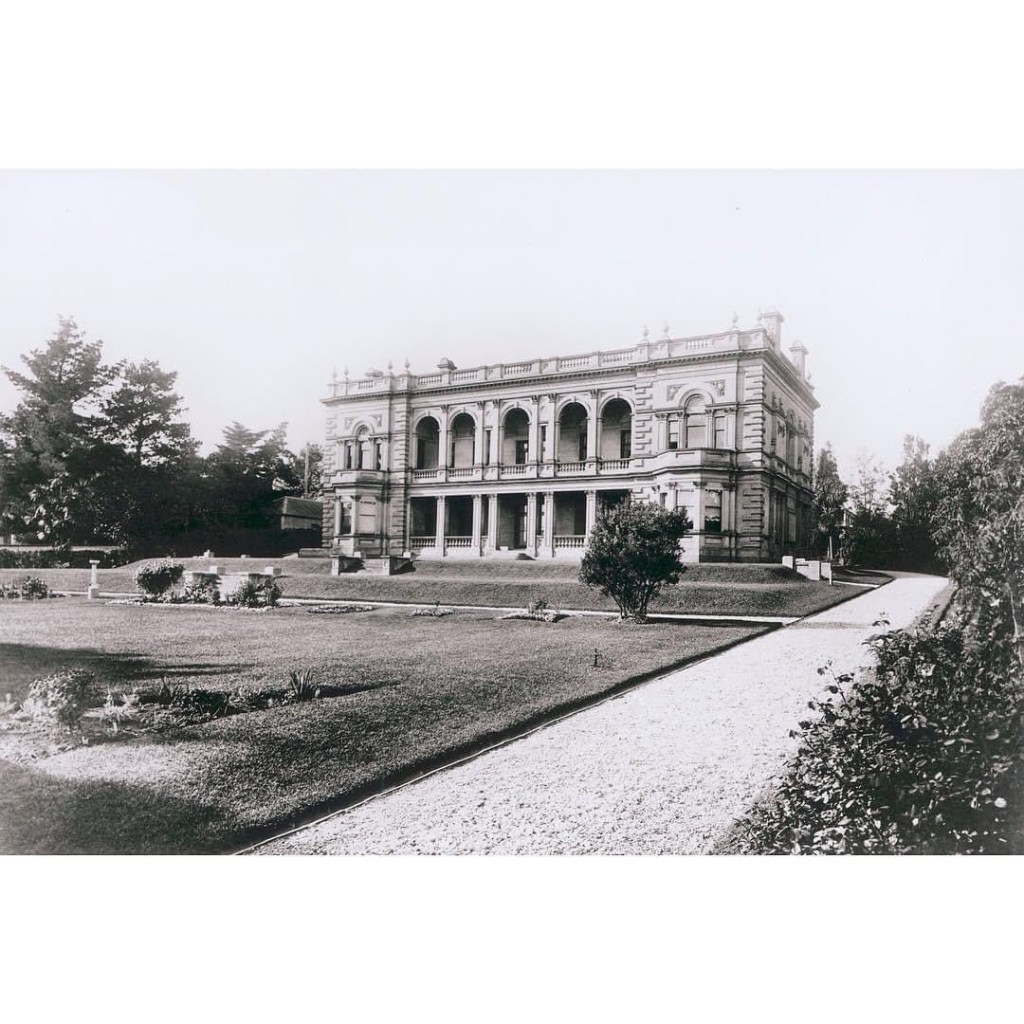
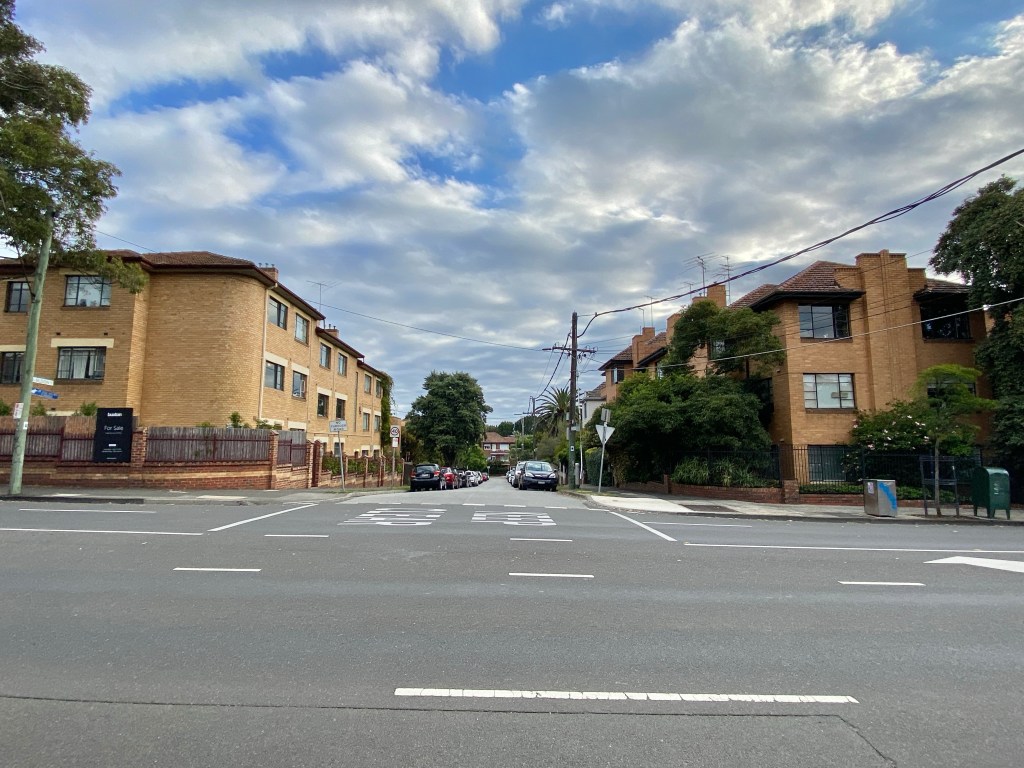
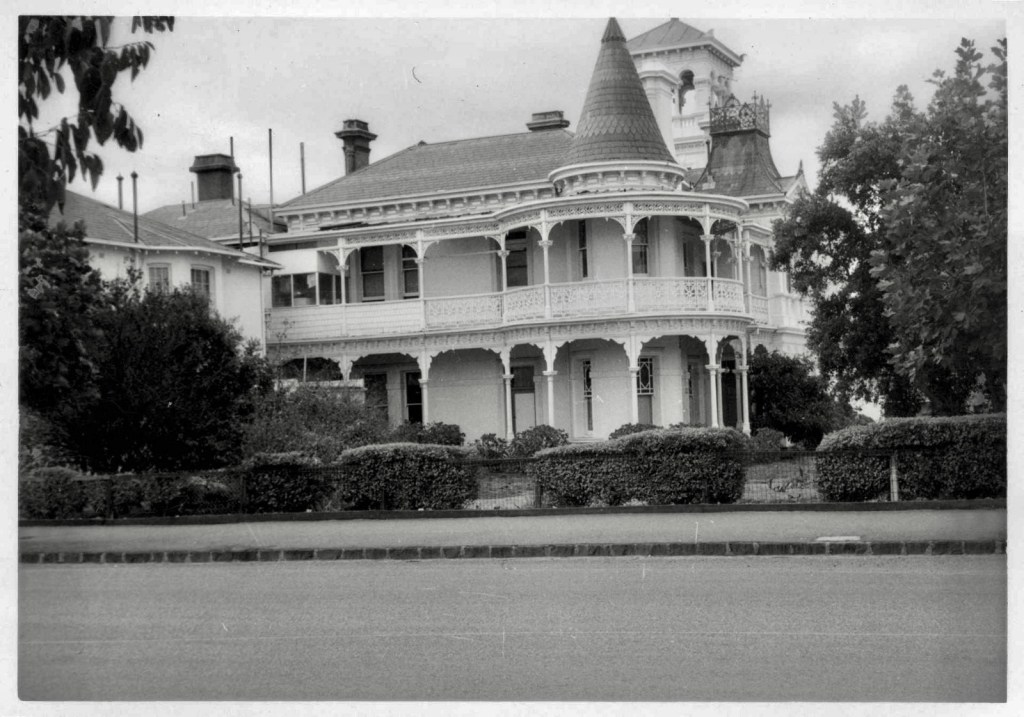
This grand pile called Mittagong once stood in Grey Street St Kilda, right next to Eildon, which is fortunately still with us. The pic is of the side facing huge long gardens and the bay, just like Eildon did (pic 4). Pic 5 is a map from 1896 showing the two top right. Also like Eildon, this house was a big enlargement of an earlier smaller house- the elaborate columned loggia part was built in 1869. It was designed by Charles Webb and is similar to some if his other work, like Mandeville Hall, which has the same arches between columns, but here the top entablature wiggles around with them, and there’s odd narrow bays on the shade. The work was for Richard Twentyman, who was big in business and also an art collector, including 27 paintings by long forgotten artist Benjamin Hayden, one of which, ‘Marcus Curtius’, is now at the NGV (pic 2). I only know all this thanks to the excellent book, last pic, about St Kilda in the 1850s-70s, when it was the preferred home of the wealthy. From that I can say there were about 30 mansions just between Barkly, Fitzroy Street and the Esplanade, some remain, some altered into flats, many demolished a long time ago – Mittagong lasted until 1940, when it was demolished and Eildon Road extended through it, and immediately lined with Art Deco flats, many of which are quite nice, so an almost fair trade.



31 August 2024
This grand house once stood in Burnett Street, St Kilda, but was demolished a long time ago. Euro-Reko was built in 1866 as the residence of Peter Davis, previously a Lord Mayor of Melbourne, taking up a large number of allotments. Designed by Joseph Reed of Reed & Barnes, I was surprised to see the date, because it’s earlier than his Independent Church in Collins Street (1867), or the first stage of Rippon Lea (2nd pic) from 1869, which I thought the earliest fully polychrome brick house. It lasted a good while, but was one of the first mansion estates to be demolished for 13 much smaller house lots, somewhere around 1910; many of the houses must have been built together since they’re variations of each other, mostly still there, and quite nice. I thought the name maybe Scottish or something, but it comes from the aboriginal word Euro-yroke or Youruk, possibly referring to the red grinding stone of the St Kilda area, or just the area. St Kilda footy club has adopted the name for this years round, spelling it as Euro-Yroke.


13 December 2024
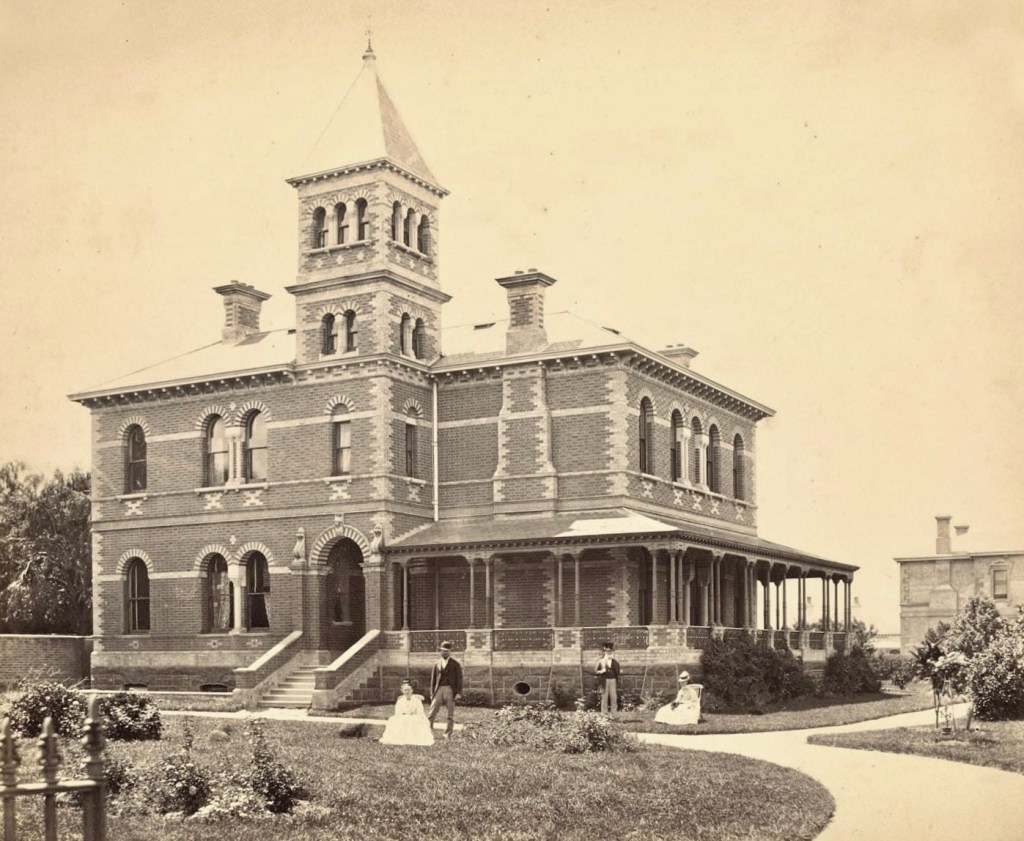
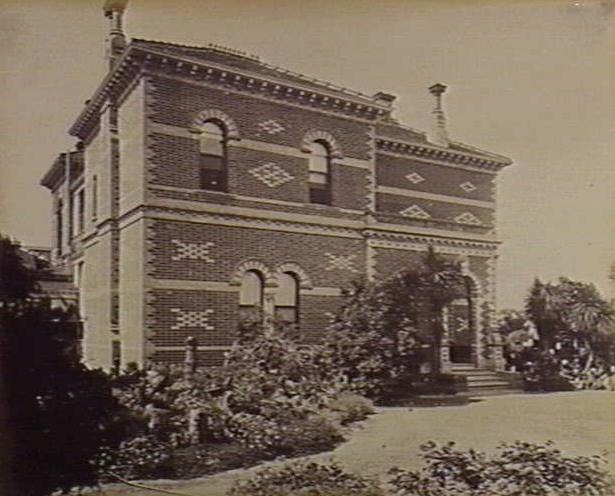
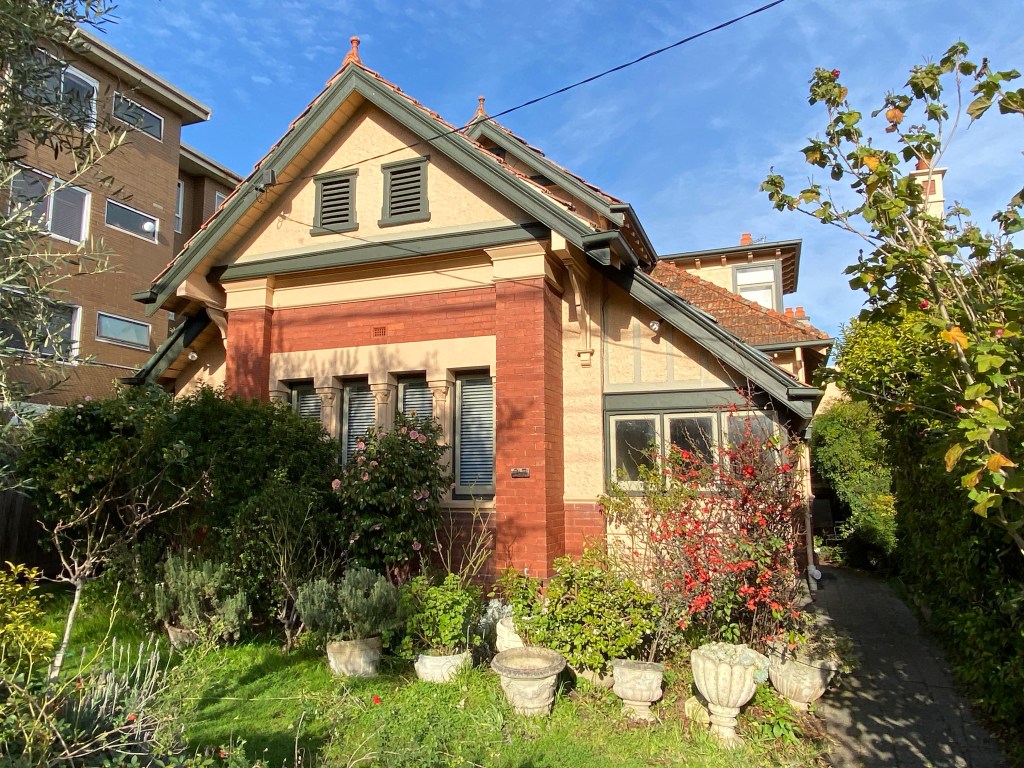
The grand home Wickliffe once stood on the Upper Esplanade in St Kilda, built when the suburb was the preferred home for the wealthy. Dating from soon after 1873, it was designed by Smith & Johnson (see original sketch) for pastoralist John Wyselaskie, whose family lived there into the 1890s. When St Kilda increasingly became a playground of the masses after 1910, its gardens were used as a cafe and open air theatre. The first photo is from c1950 and shows the side garden as a service station by then, and the home itself was probably a guest house. Different sources say it was demolished in 1959, or the 1970s, either way it was replaced by the clunky apartment tower Arrandale by 1979, not a good swap. Pic 1 @library_vic, pic 2 st kilda historical society, 3, 4 via Facebook, last one mine.

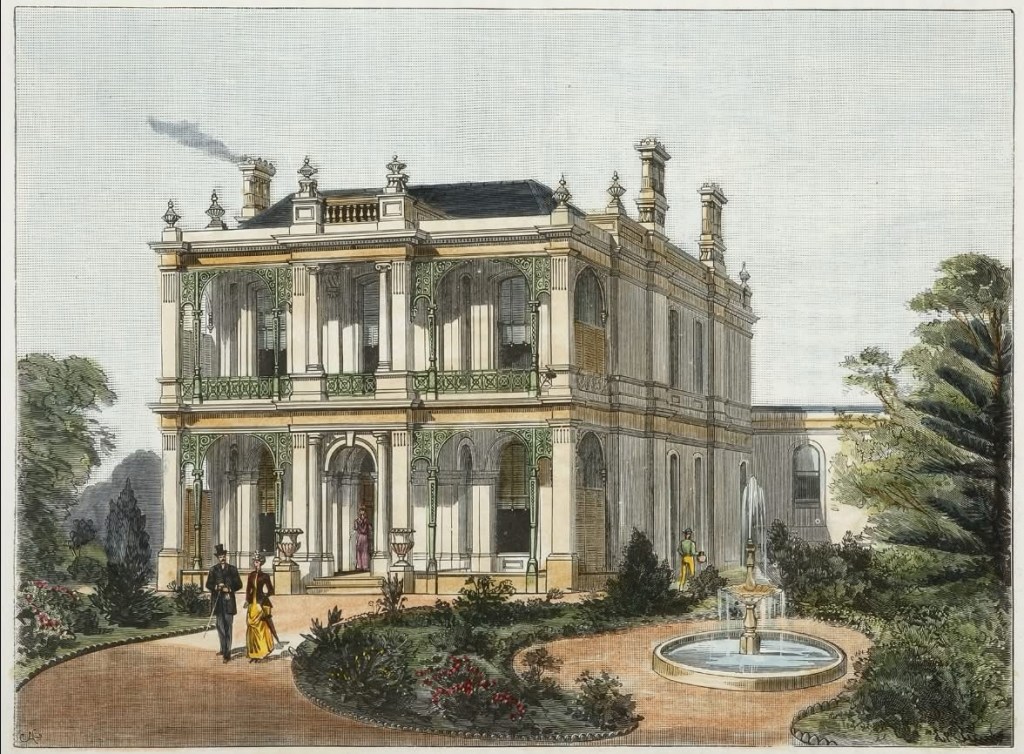


Wyselaskie also built the fabbo Narrapumelap Homestead in the western district in 1873, still there.


14 February 2025
Another mad and huge and long lost St Kilda mansion that once stood on the ne corner of Tennyson and Dickens Street, opposite the botanic gardens. Called Pladda, it was built c1880 for a Captain Currie. Designed by Lloyd Tayler, in a Queen Anne / Italianate combo, it was designed to be impressive from all angles, with the rounded verandah on the corner, and the obligatory tower facing up Dickens. Layer painted, so the red brick contrast was lost. This was towards the end of mansion building in St Kilda, before Toorak took over in the 1880s. It found a new use as a private hotel between 1927 and 1958, with a gap around WW2. Then it became the Moulin Rouge nightclub (!). Not sure when it was demolished, after the 1963 b&W pics, possibly the 70s. Update : it had a fire, and was demolished 1976/77, replaced by a couple of houses, the corner one in turn replaced by flats c2010. Most pics @library_vic, the colour one @cityofmelbournelibraries.




 Storey of Melbourne