
Original post 25 March 2018:
ColesBourkeStreet, 1930, #HarryNorris (the lower bit added exactly matching in 1938, converted to David Jones Menswear 1986). Not the first but the oldest surviving and certainly the most colourful of the first examples of Art Deco to appear in Melbourne’s streets; must’ve been quite striking in its day, still is in fact.

ColesBourkeStreet, 1930, #HarryNorris. Exterior #faience, described at the time as bringing colour back to architecture, but it was also the first full scale #JazzModerne #ArtDeco exterior in Melbourne. ❤️
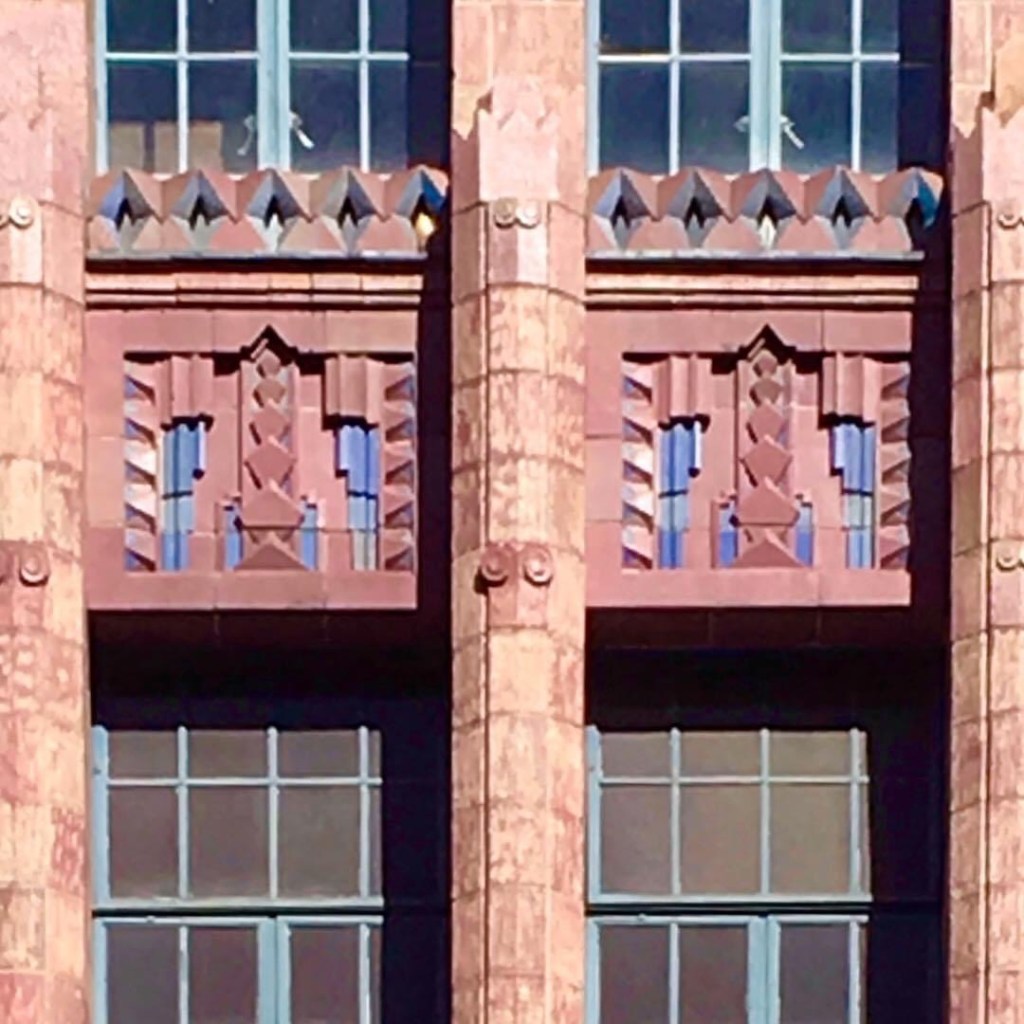
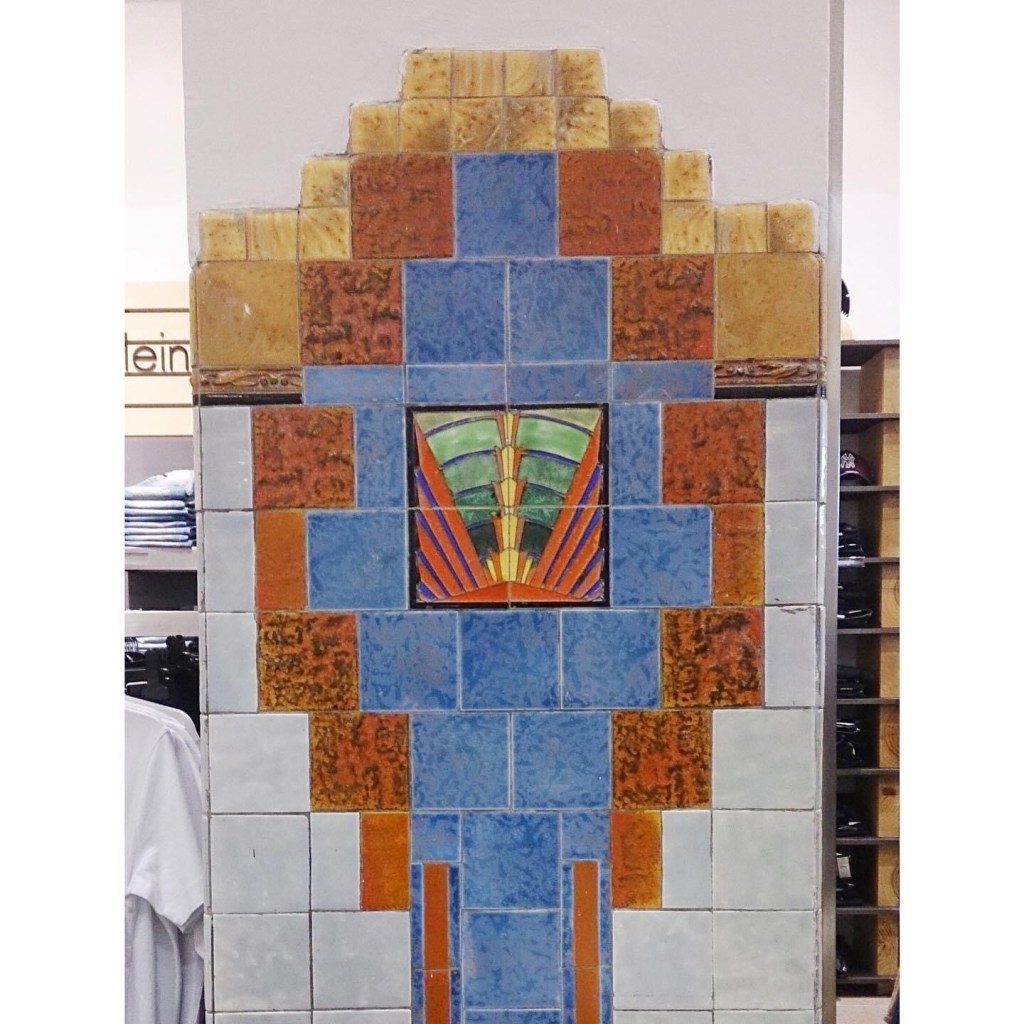
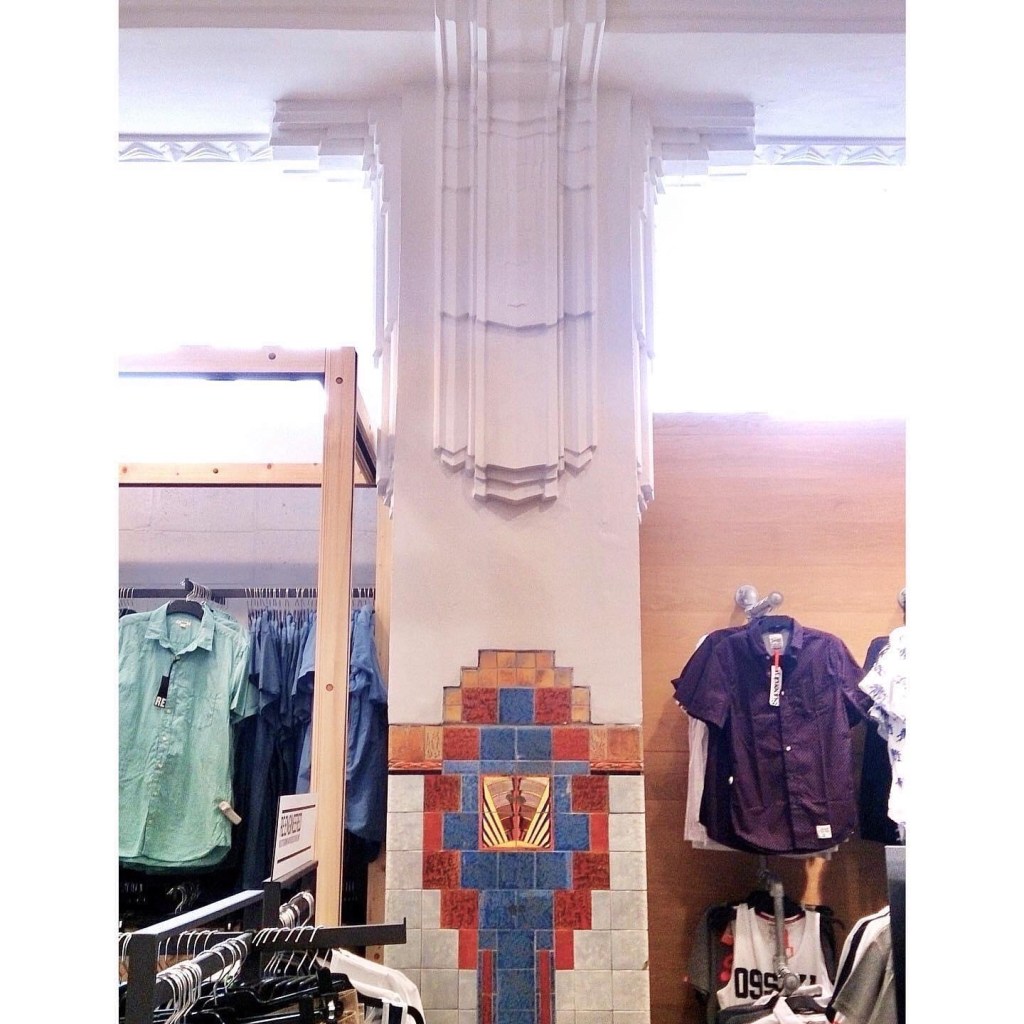
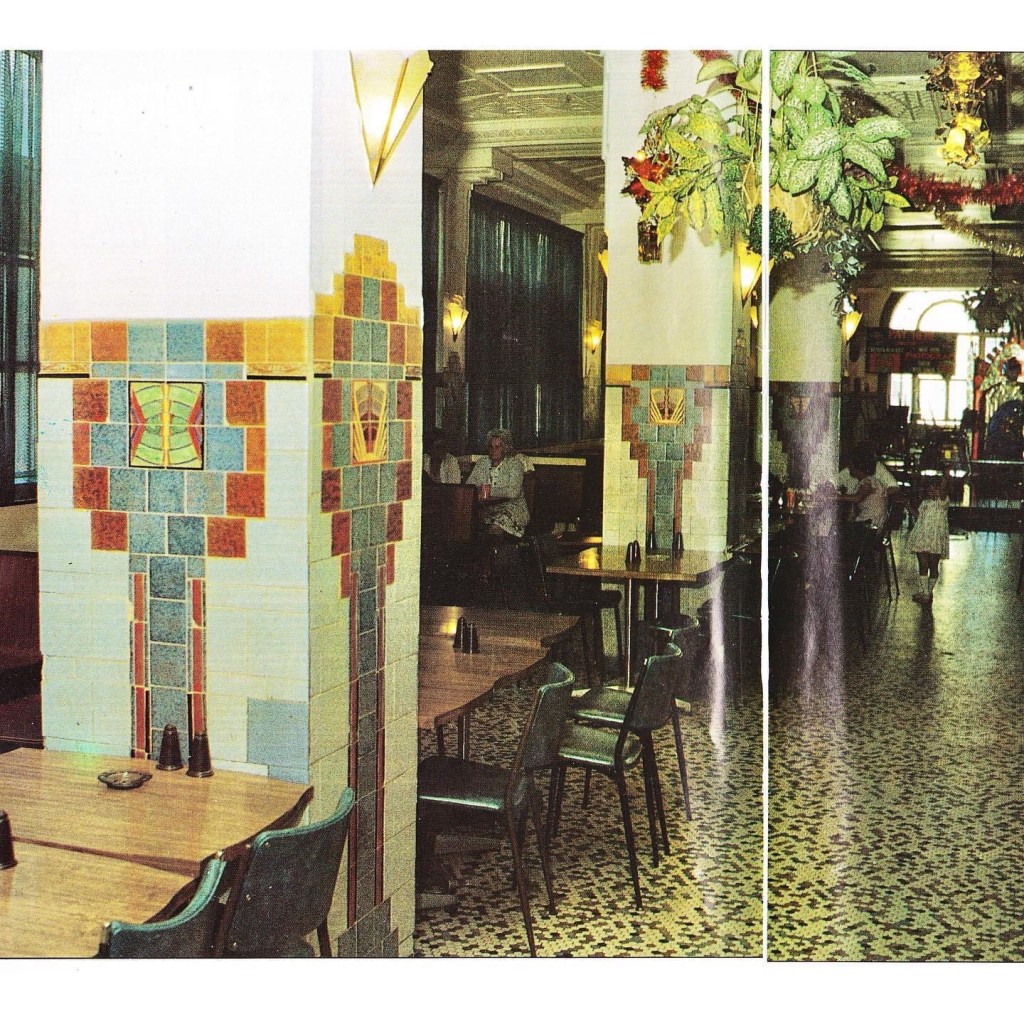
Original post 2015 – #colesbourkestreet, now David Jones menswear, first floor ex #ColesCafeteria #tiling closeup, #colesbourkestreet, 1930, #HarryNorris. Described by #heritagevictoria as Hispanic/Indian/Jazz in inspiration. Indian? Do they mean like pueblo?? Make up your mind! The colours are earthy, but to me it’s just Deco.

31 November 2022
I’m excited to see that the application to #heritagevictoria for the 1930 Coles cafeteria conversion from menswear to MECCA shows that more of the original tiling does still exist behind the 1987 David Jones walls, and they plan to ‘reveal and integrate’ where possible. There’s also some nice floor tiles. The tiling and ceiling was the first extensive example of an Art Deco interior in Melbourne, opening March 1930; the architect Harry Norris was inspired by work he had seen on his frequent trips up the US, where elaborate Art Deco buildings and interiors had been appearing since at least 1928.





23 November 2024
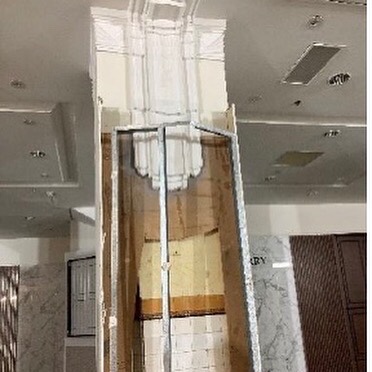
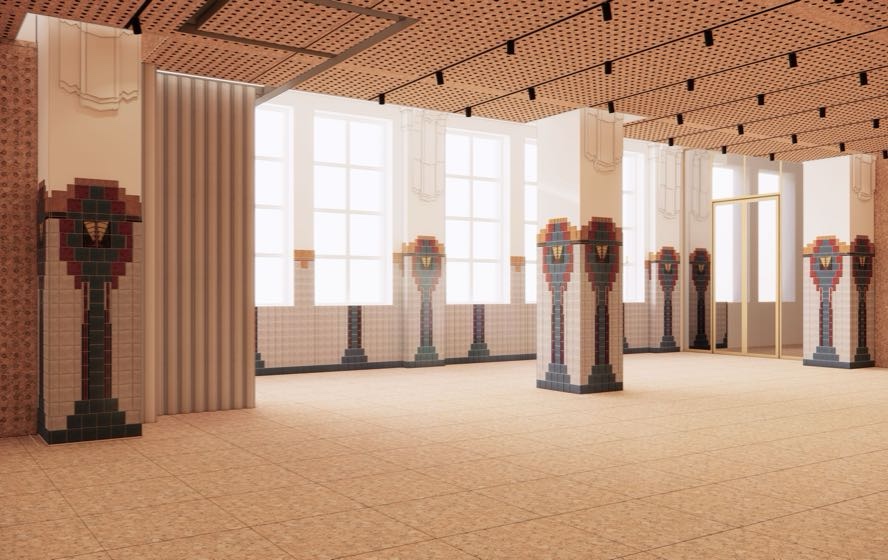
The Coles Cafeteria is now set to become part of a huge Mecca store, and there’s good news and bad news. Firstly, the latest heritage permit submission says they’re going to restore all the tiles, including making new ones where damaged, and take all the lights etc out of the deco ceiling. But at the same time, they want to turn the back half into a ‘Mecca-versity’, with lecture and treatment rooms, and stick in a false ceiling, covering the deco plasterwork. Not convinced they have to do that, but on the other hand the front half will be restored, though no doubt filled with counters, displays etc. But it sure is nice to see something long lost like this being restored. Pics from heritage report by @rbaarchitects, showing a rear side wall, not the front as I thought at first.

 Storey of Melbourne