
March 2026
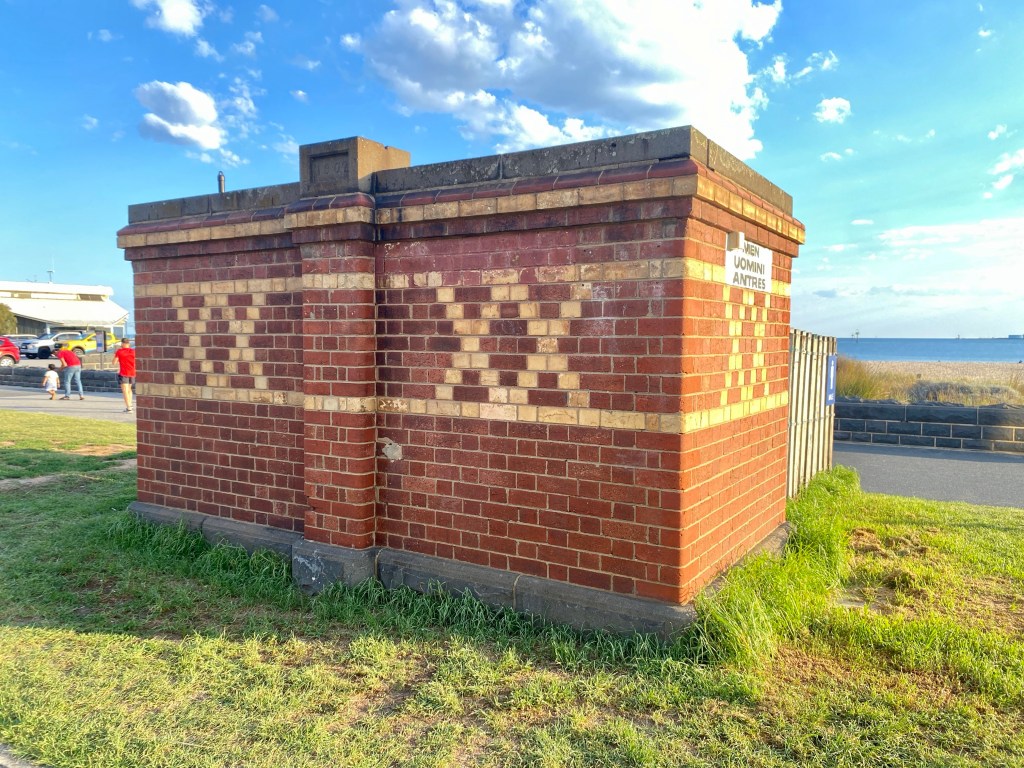
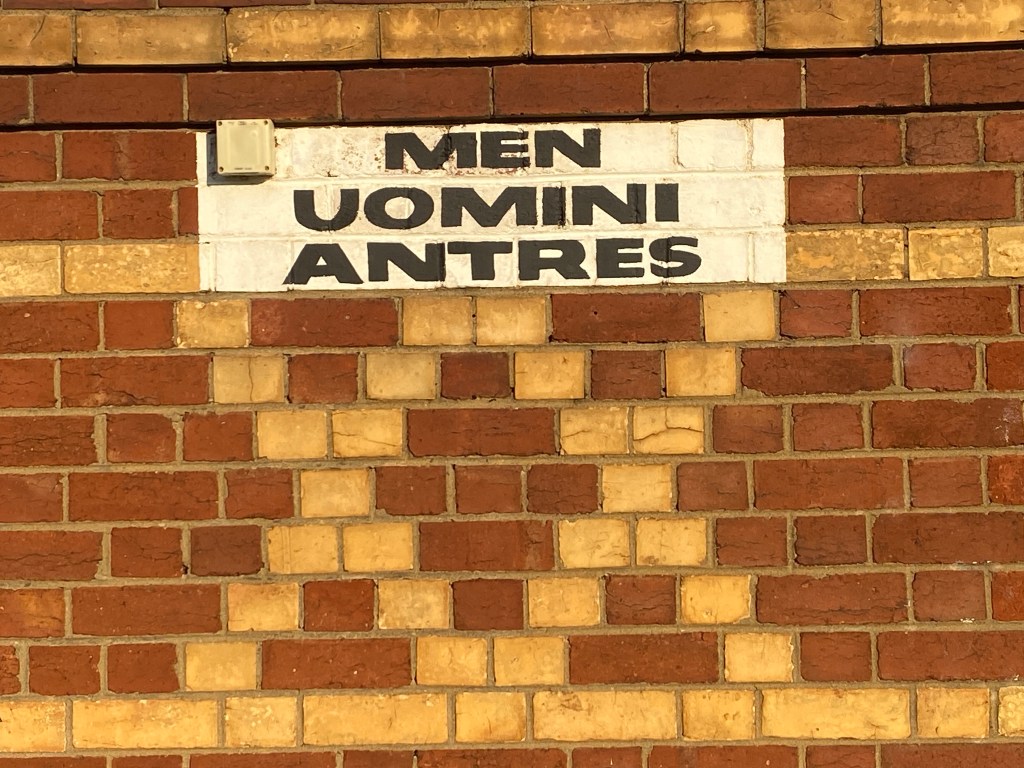
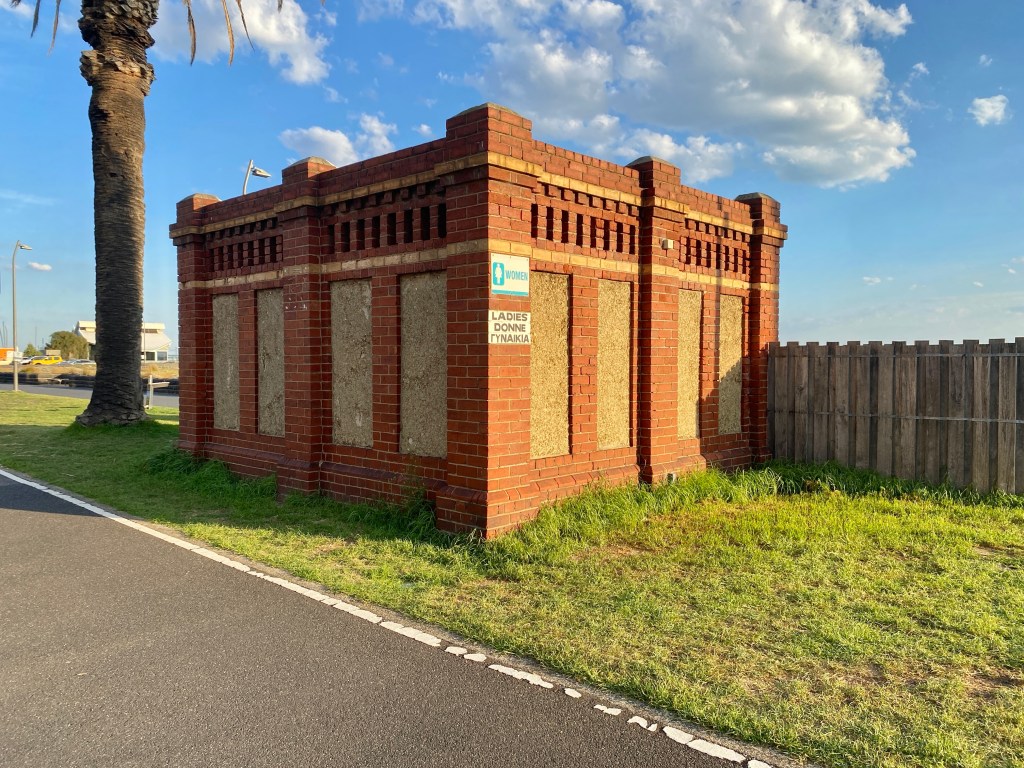
The Port Melbourne foreshore has these rather cute toilets, with quite separate blocks for men and women- the mens is smaller but more decorative, and they both have extra privacy fences added later, as were the multilingual signs. They were built in 1902, at a time when there were bands playing and amusements like merry-go-rounds, especially on Friday nights.
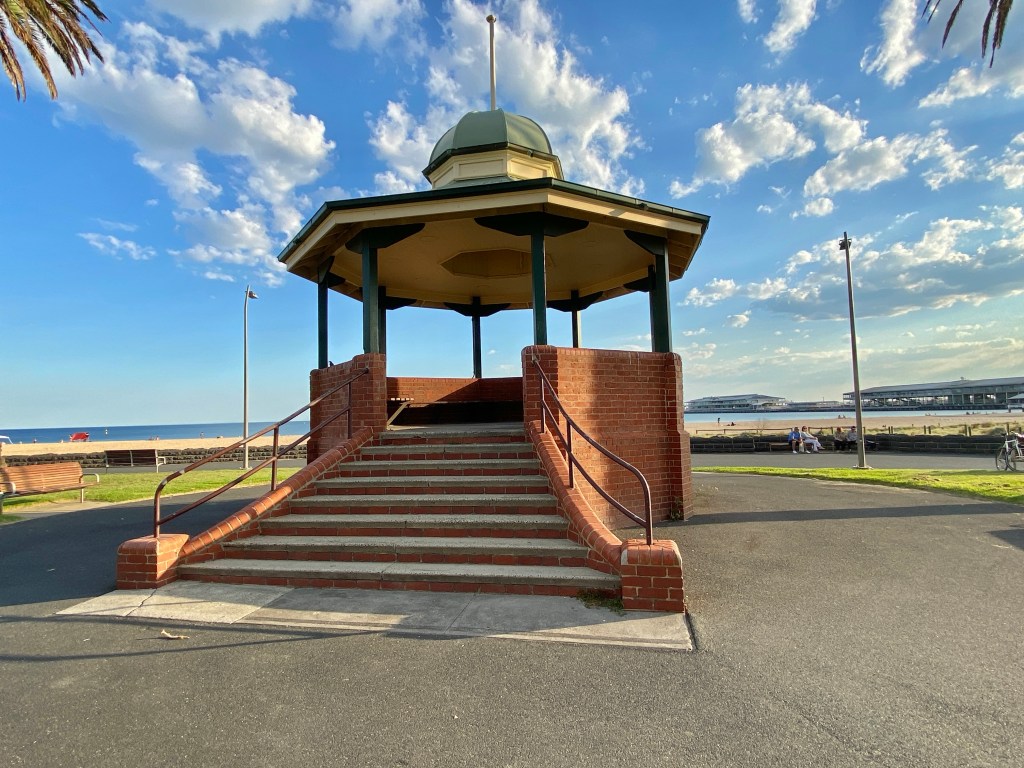
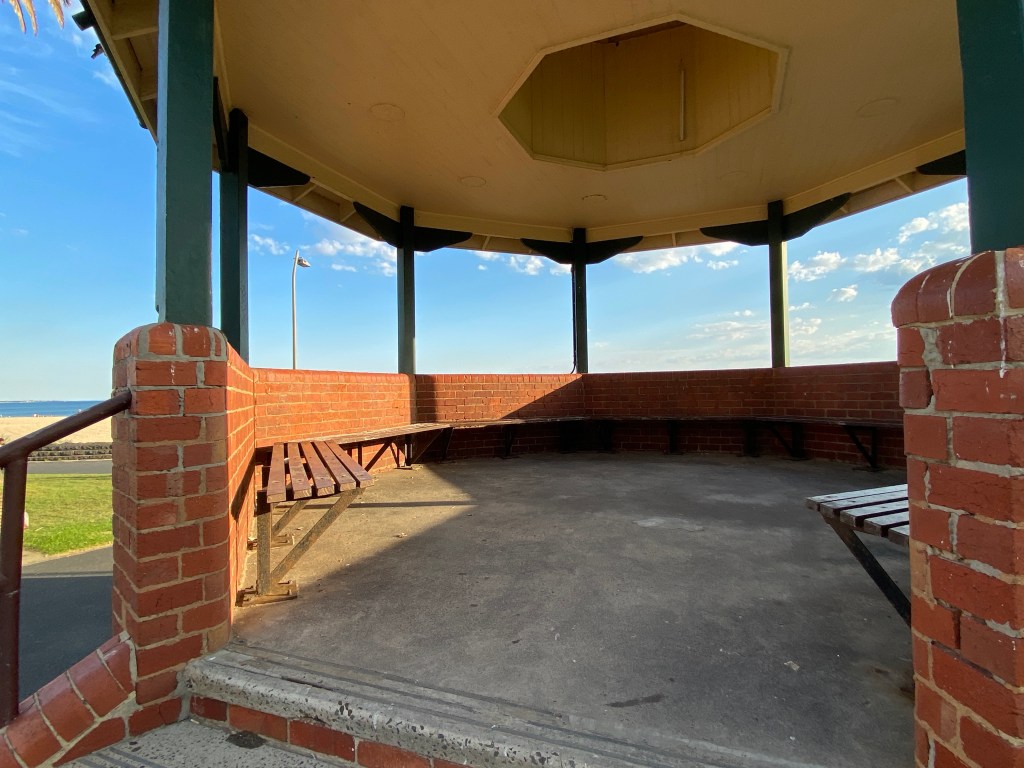
I don’t know if there was an earlier bandstand, but the one there now was built as a war memorial just after WWI. It’s rather plain red brick, and small compared to others, though it does have a fun dome. Hmm maybe it’s just a seating rotunda.
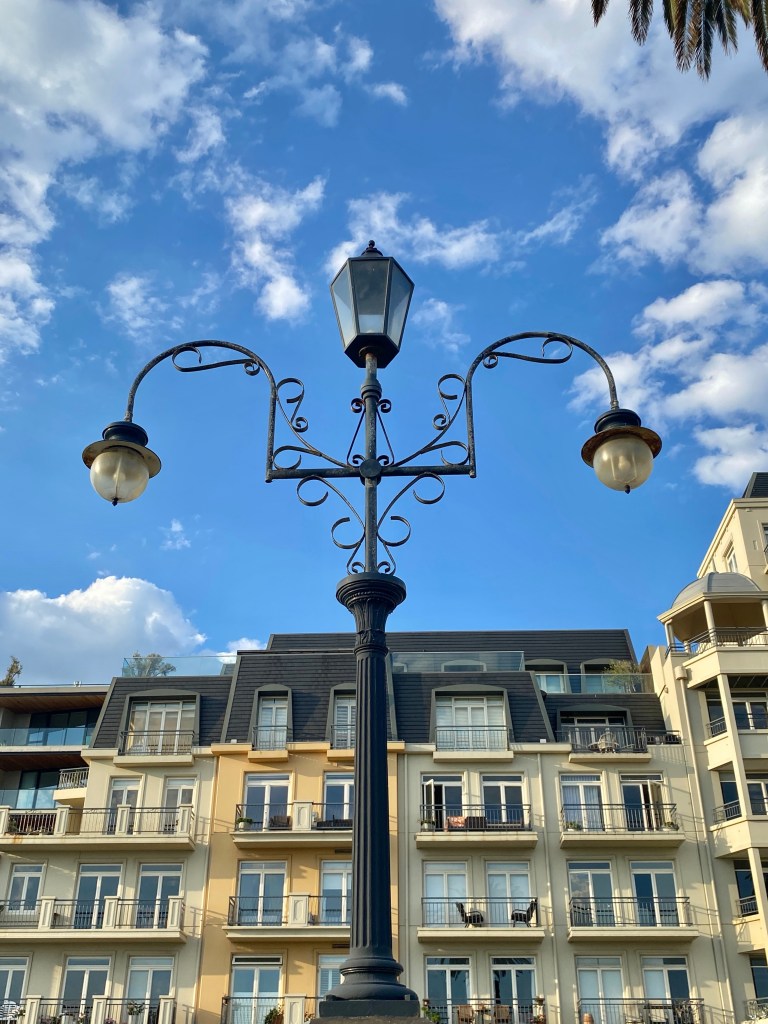
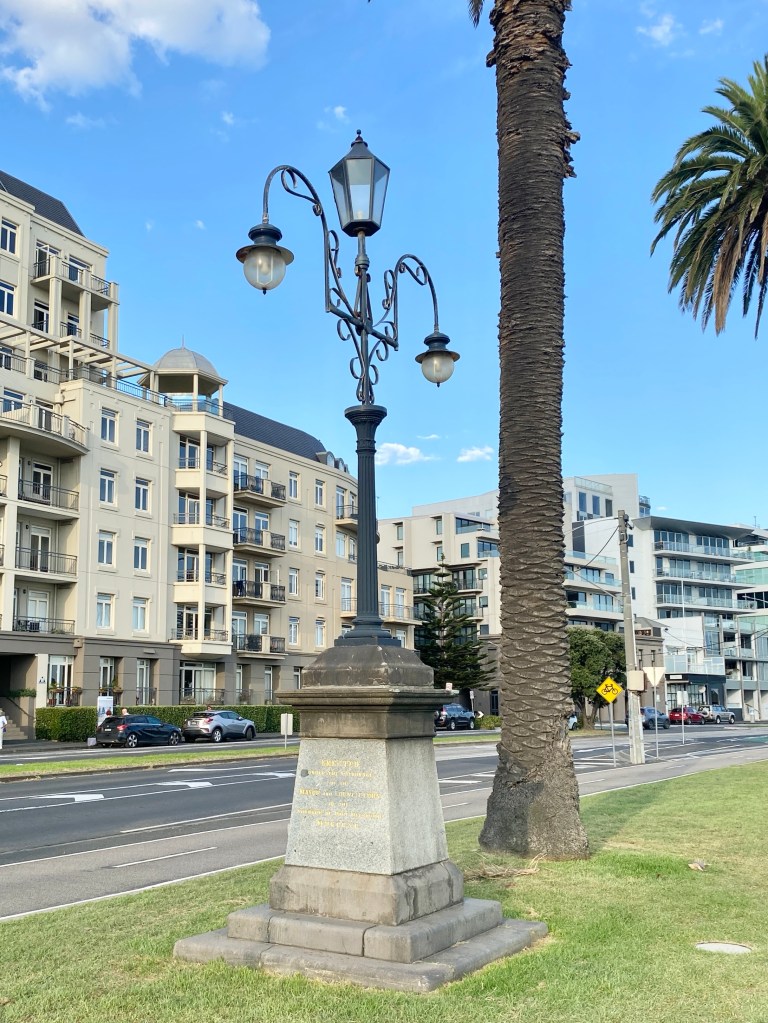
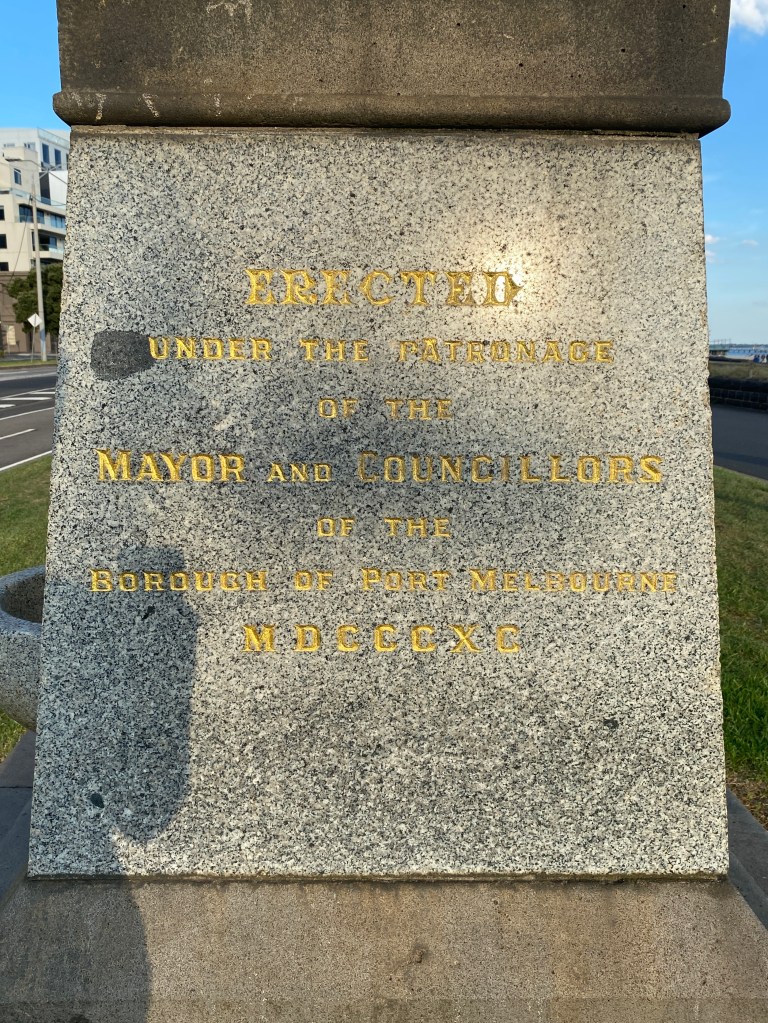
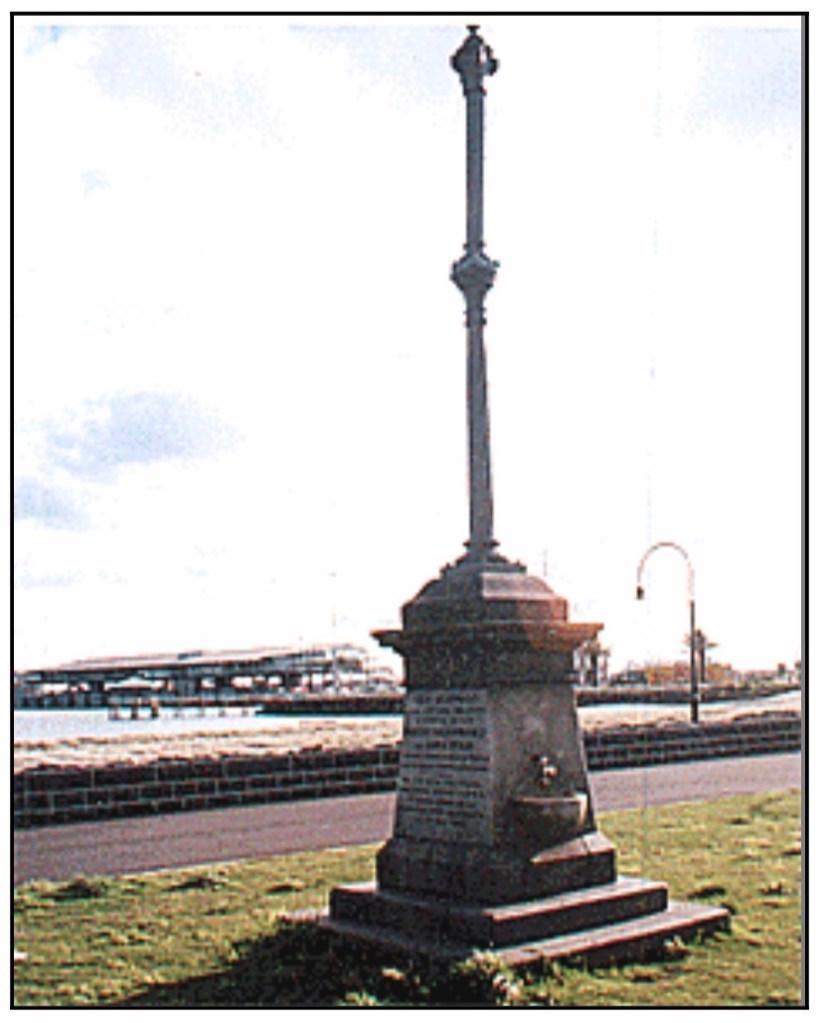
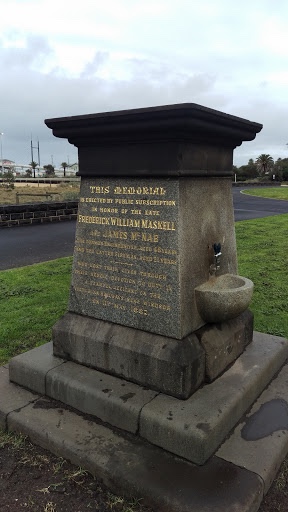
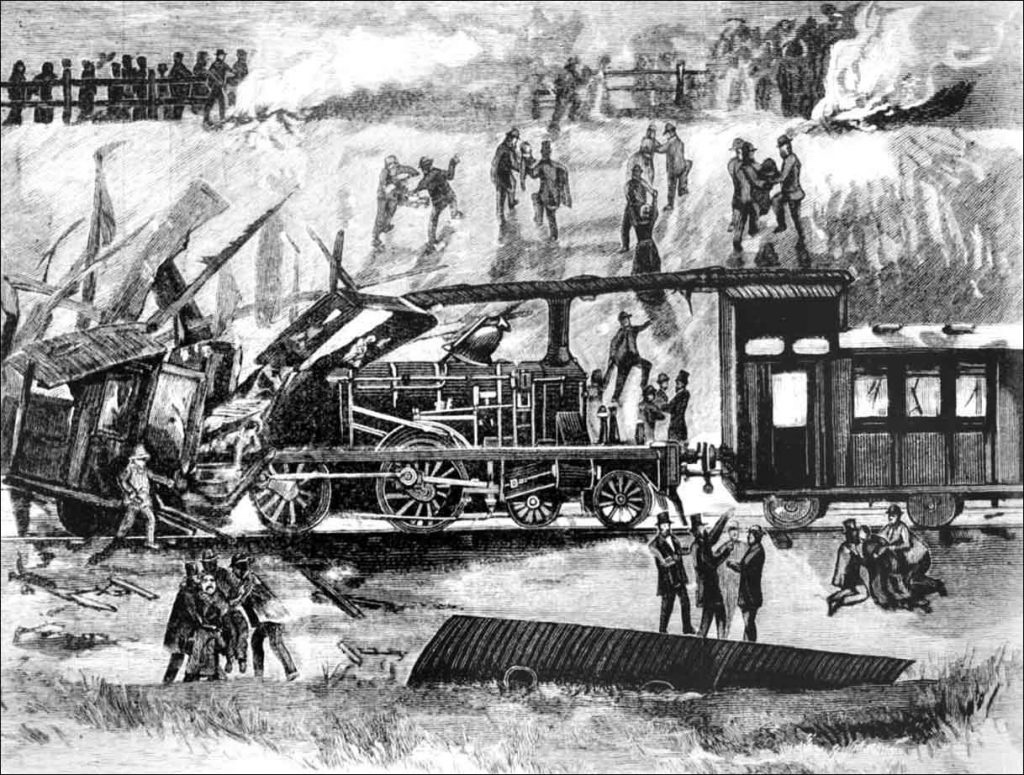
Looking a bit like Paris – this very cute light is on the Port Melbourne foreshore, part of a memorial dating from 1890. It was erected to the memory of Frederick William Maskell and James McNab, the driver and fireman of a train who died in the Windsor Rail Accident in 1887; they were considered heroic for staying on their train attempting to put on the brakes when they rounded the bend in the cutting at Windsor and saw a stationary train ahead. They were among six dead, and 150 were injured. They both lived in Port, and a public fund was started with days of the tragedy. It was first located near the Graham Street station, been relocated three times, and vandalised and restored a few times too. One old pic has no light, the other from 1995 just the post. The pic of the main inscription isn’t mine, I failed to look at that side, so didn’t know it was a memorial till just now.
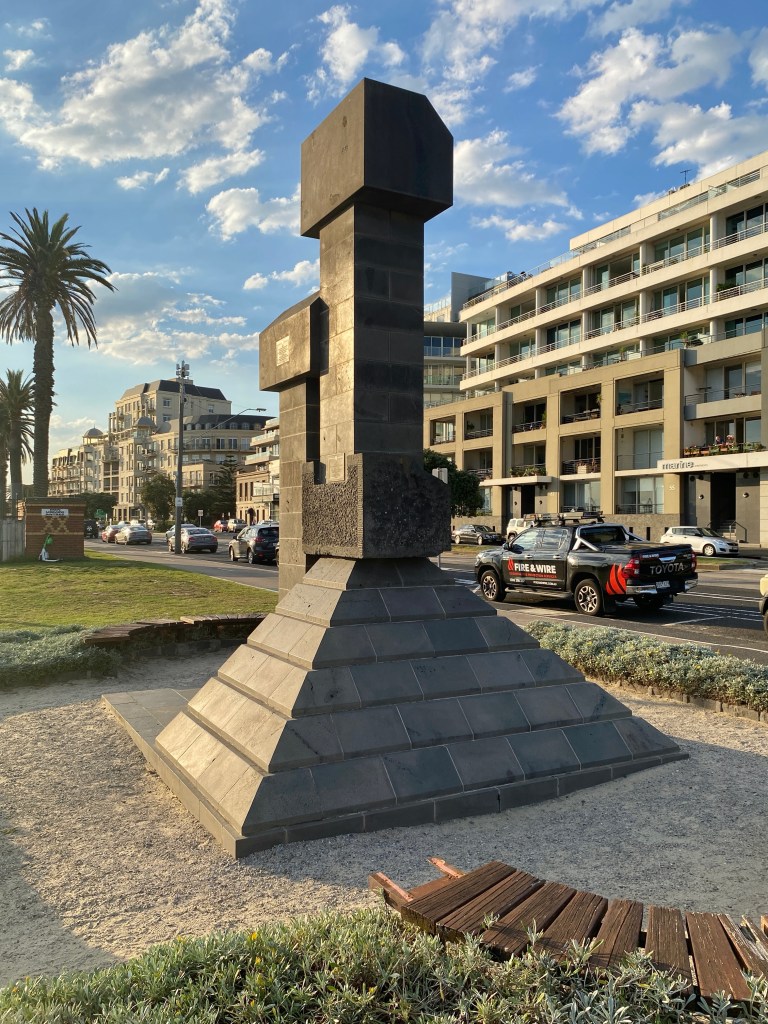
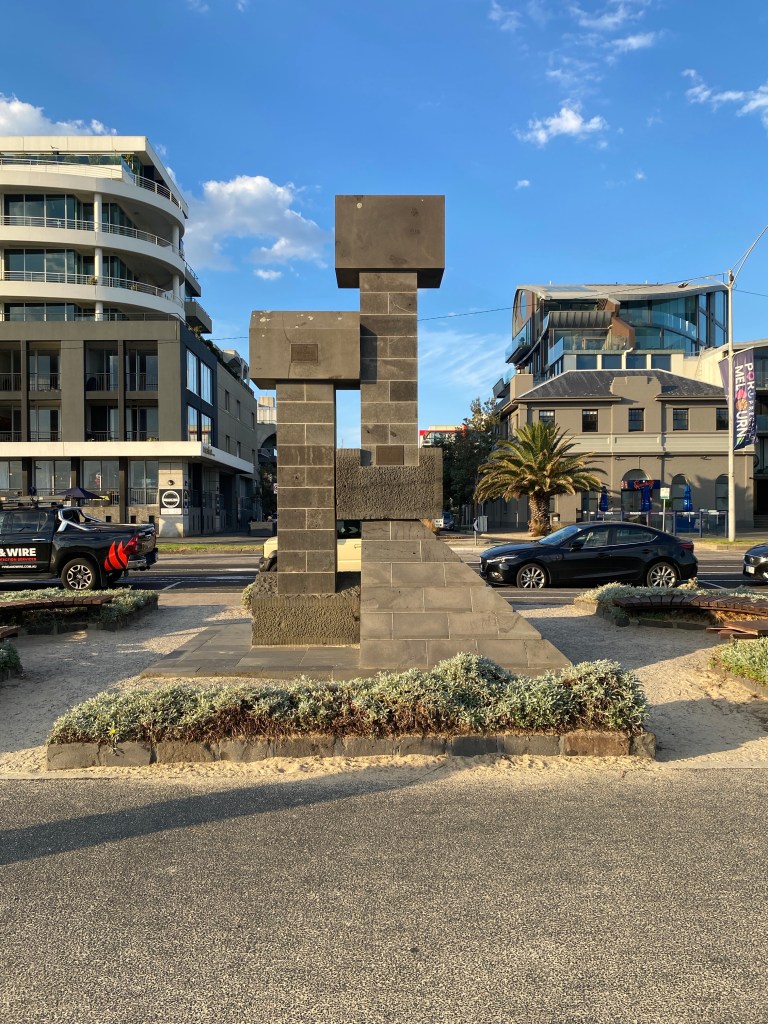
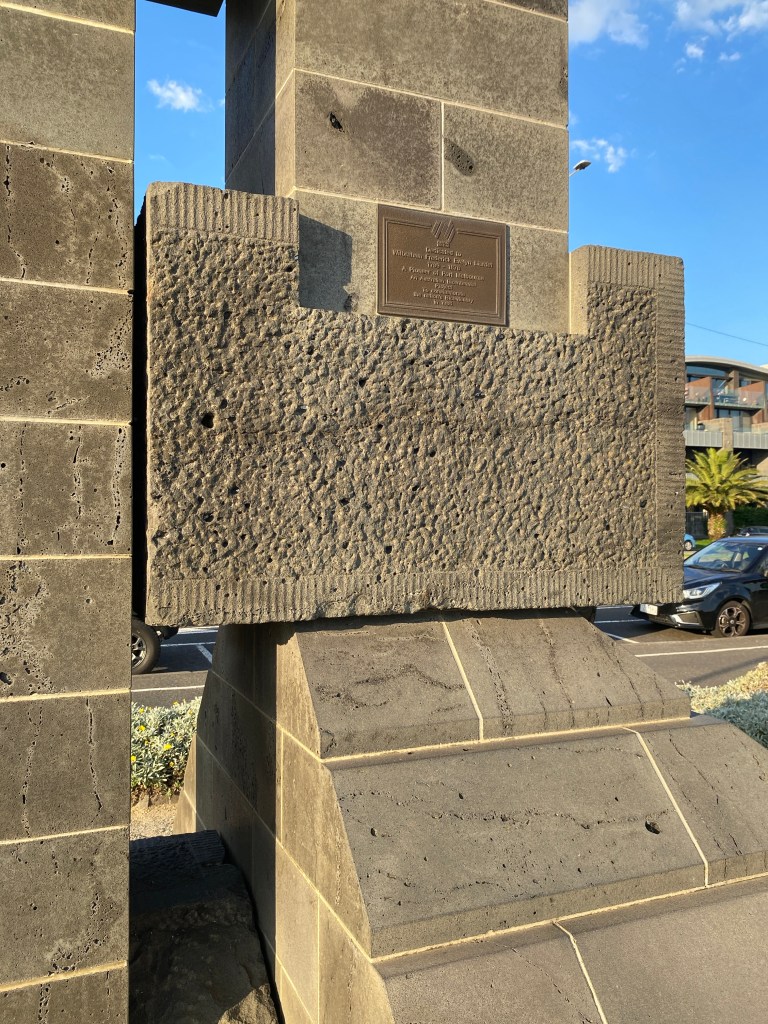
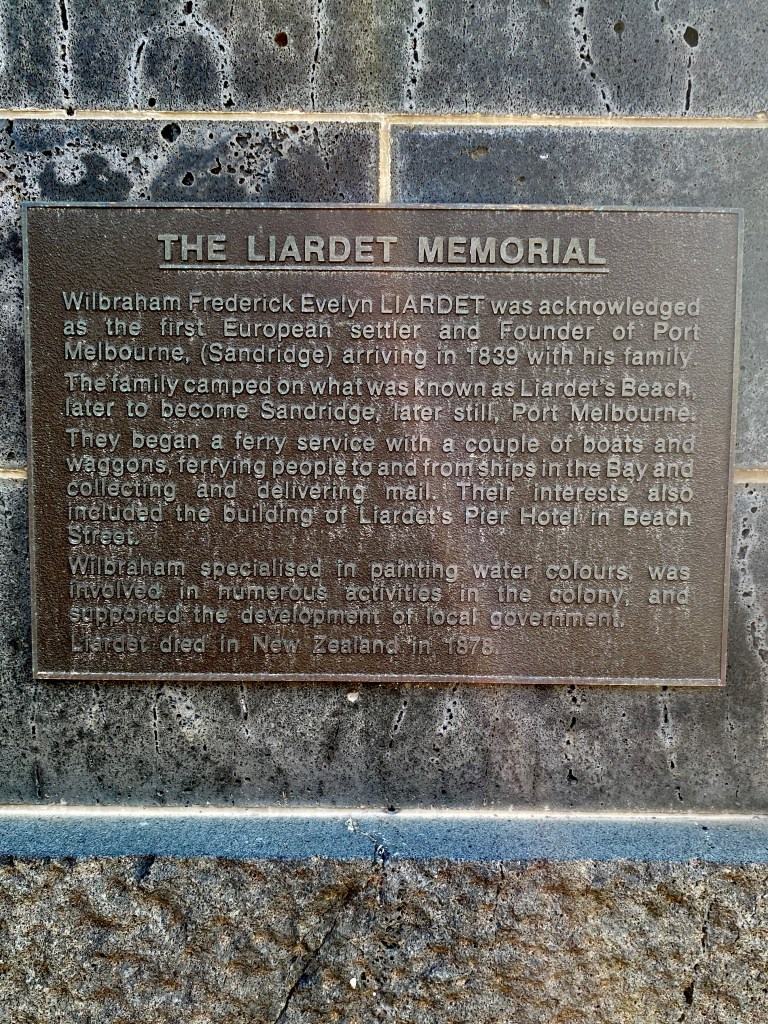
A very curious monument on the Port Melbourne foreshore, but I quite like it. It’s actually a work of art built in 1988 commemorating Australia’s Bicentenary, but also the ‘past present and future of Port Melbourne’, and the ‘founder’ Wilbraham Frederick Liardet.
He started the port town in 1840, living with his family in tents and offering a whaleboat service and from the shore to ships that often just anchored in the sea near the beach. The artist of the monument was Peter Christoff who said that it is a “symbolism of growth. Liardet
pushed in a variety of directions, but they all led to the same thing, the future development of Port
Melbourne”.
The memorial was constructed in bluestone because of its “enduring, almost indestructable
qualities”. There’s two old blocks in there, presumed to come from the 1890s Sugar Works across the road, now reused as apartments.
 Storey of Melbourne
I read new toilets are to be built by CoPP at Port Melbourne but I am not sure where, aside from the seafront. I hope these aren’t demolished.
The lamp is a ripper.
LikeLiked by 1 person
The street lamps look very classy and decorative. Do they still work?
LikeLike
Don’t know
LikeLike