11 October 2017:
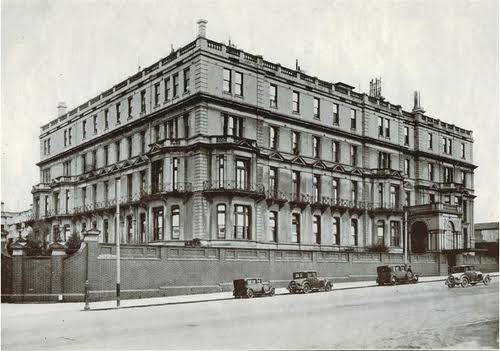
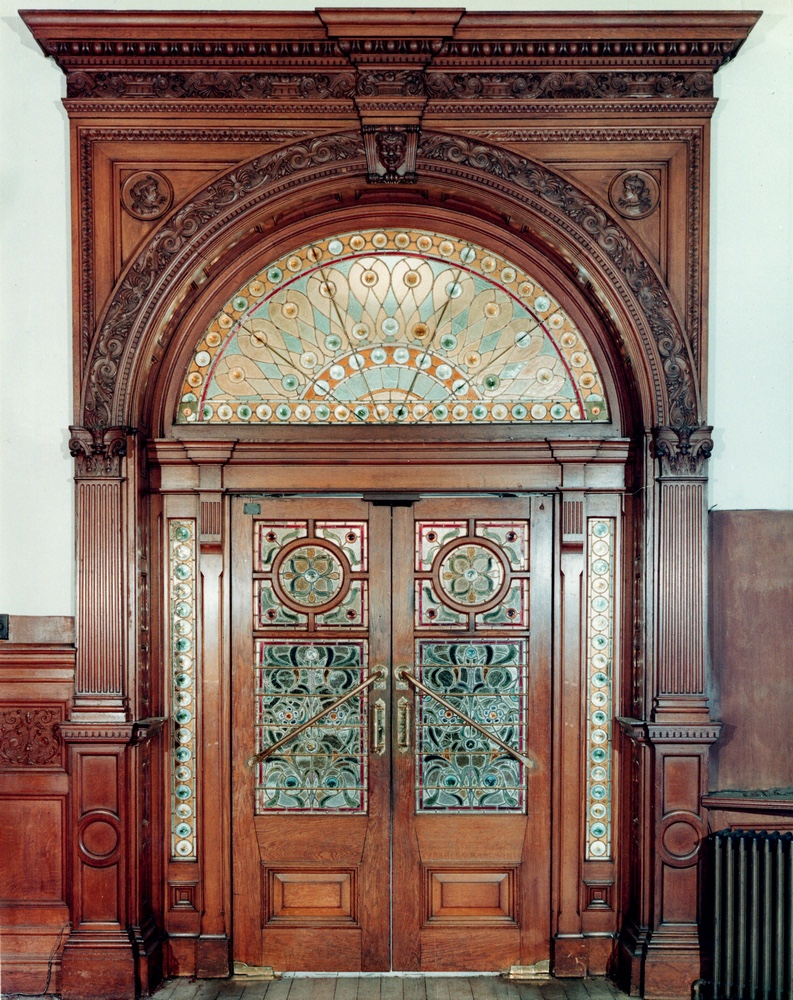
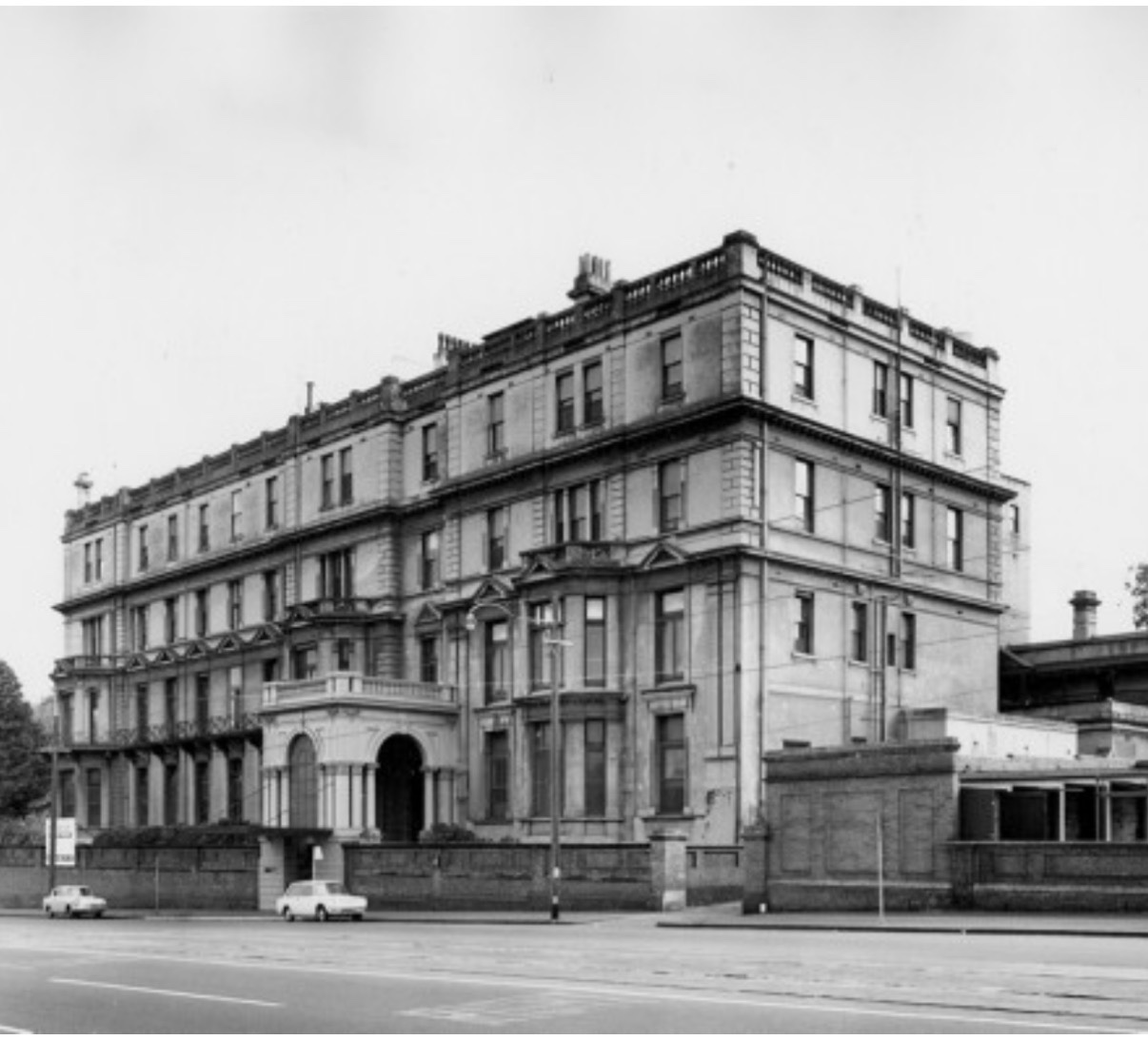
#LostMelbourne (well, there’s bits left) #ClivedenMansion was built 1887-88, designed by #WilliamWardell for ‘Australia’s only Baronet’ Sir William Clarke, with the usual 20 bedrooms, ballroom, and craftsmen brought out from Italy to do the marble and stuff. In 1909 became luxury flats with an added floor, then demolished in 1968 for Melbourne’s first #HiltonHotel, a bricky brutalist thing, that included the ‘Cliveden Room’ reusing some of the best bits.
Rather shocked when I went in 6 months ago looking for this famous room, and not finding it – only to discover that last year most of the items were sold off at auction as part of a sweeping renovation by #RotheLowman of what’s been known as the Pullman in the Park for a few years now. The items, except a few windows, went to auction at #Aingers in March 2017. At least not destroyed, but lost from public view.
Update : the fabbo big window, the doors and the fireplace were purchased by the Campbell-Pretty Family, presumably at the auction, then donated to the #NationalGalleryVictoria, and the big window is on display at the Ian Potter right now.


 The NGV are calling it the Welcome Window, and they say its 1887, John William BROWN (designer), JAMES POWELL & SONS aka WHITEFRIARS GLASS WORKS, London. Photo of the window in its new home set into a wall at the NGVA. Unfortunately they’ve illuminated it with multiple small lights, so it looks rather spotty.


Built as the Hilton, opened c1970
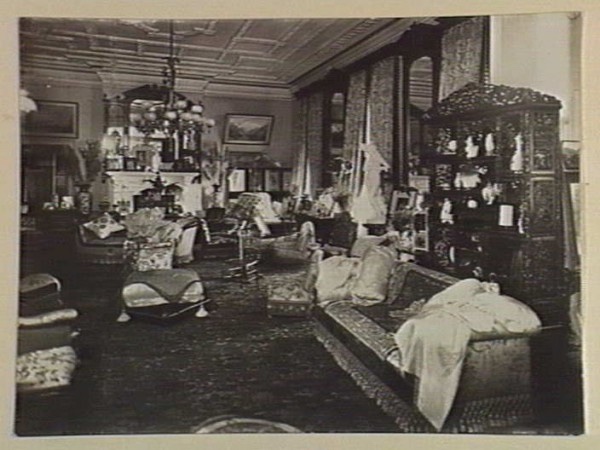
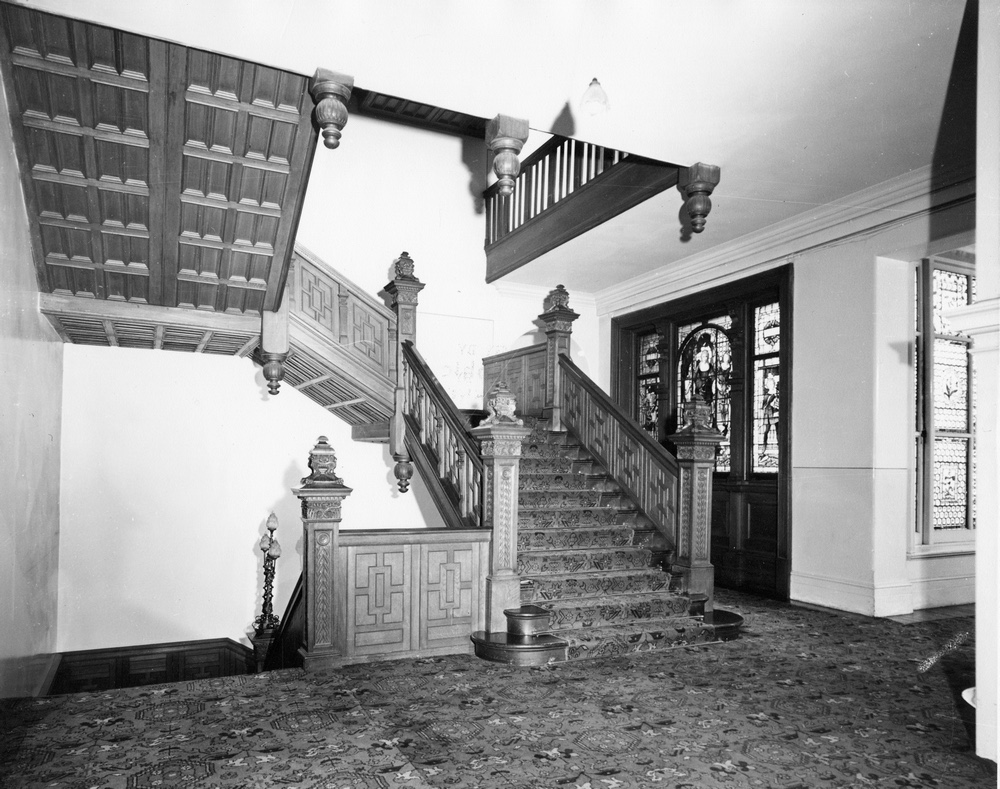
The mansion Cliveden was built in 1887-88 for ‘Australia’s only Baronet’ Sir William Clarke, on the corner of Wellington and Clarendon Streets East Melbourne, and demolished in 1968. I thought there were very few photos of it, but the East Melbourne Historical Society has a bunch of pics of the interior taken just before demolition – and it was pretty bloody amazing.
It was possibly Australia’s largest private house, with 28 bedrooms, a huge ballroom, large drawing and dining rooms, a place for entertaining on a large scale, supported by 28 servants. It was designed by William Wardell, who had done mainly public buildings and banks up to then. The exterior was in his usual retrained Italianate style, but the interior was much more Queenanne, loads of dark polished timber, panelled dadoes, tall overdoors and over mantles with stubby columns, etc.
After Lady Clarke’s death in 1909, it was converted into luxury flats, completed in 1912. This involved a whole extra floor, and two on the ballroom, and rearranging the interiors. From the plans the internet found for me, they were all two and three room suites, with bathrooms but no kitchens. So it was a little like a hotel, with a big lounge, and the dining room still used as a dining room.
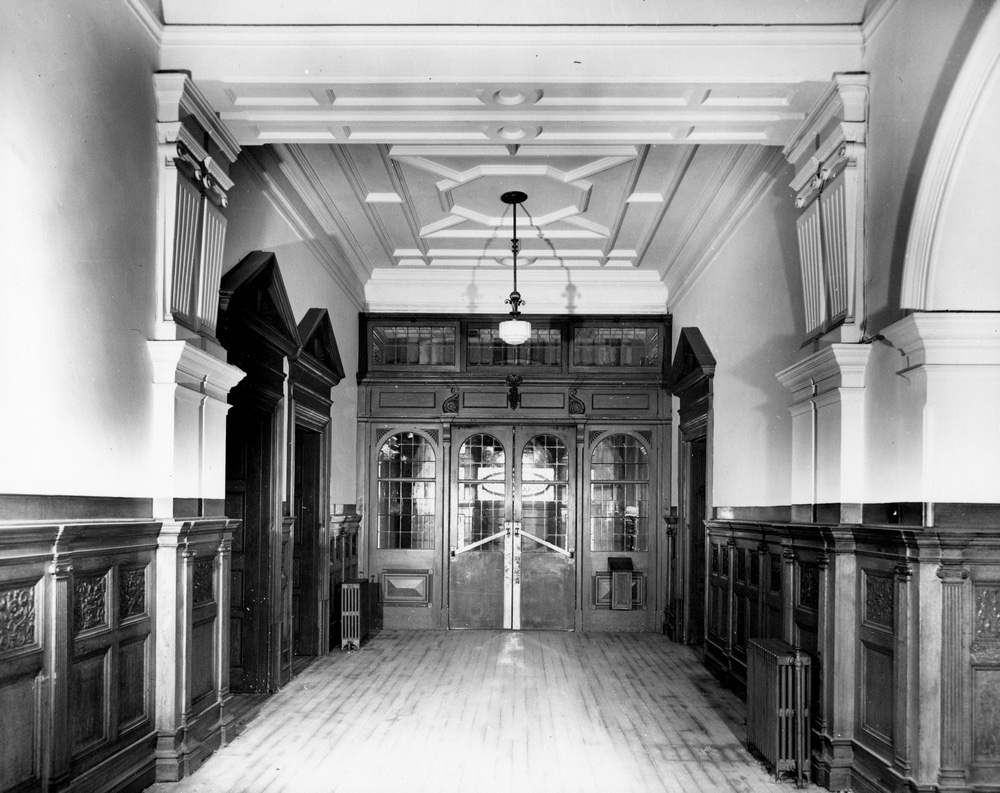
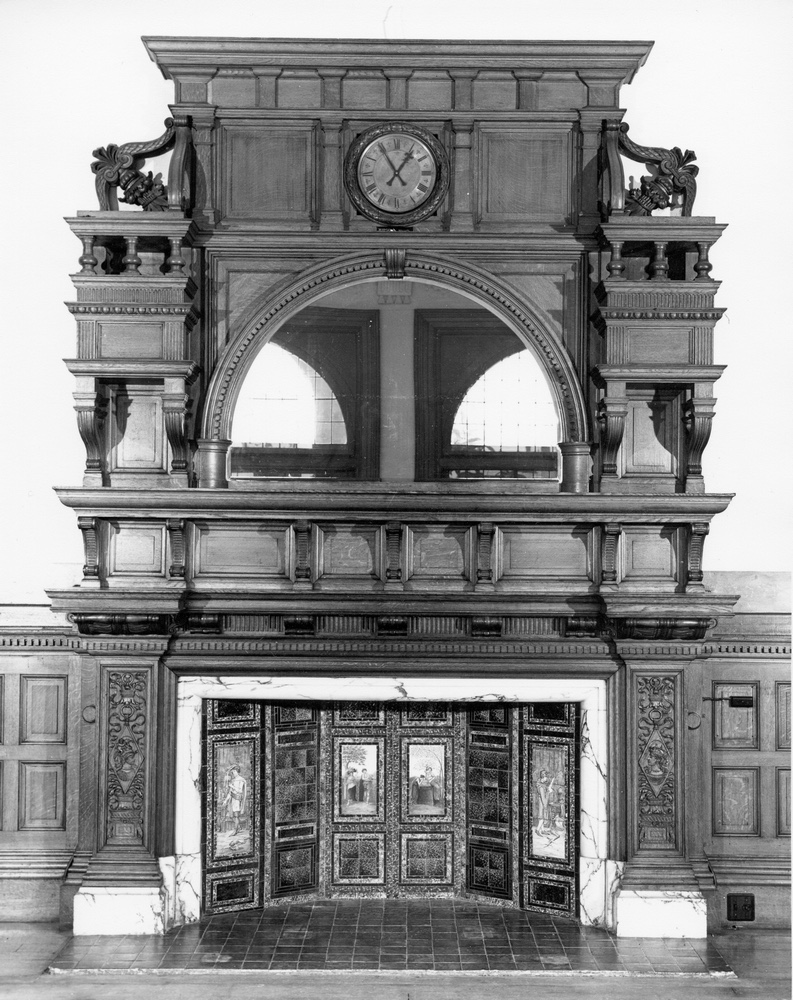
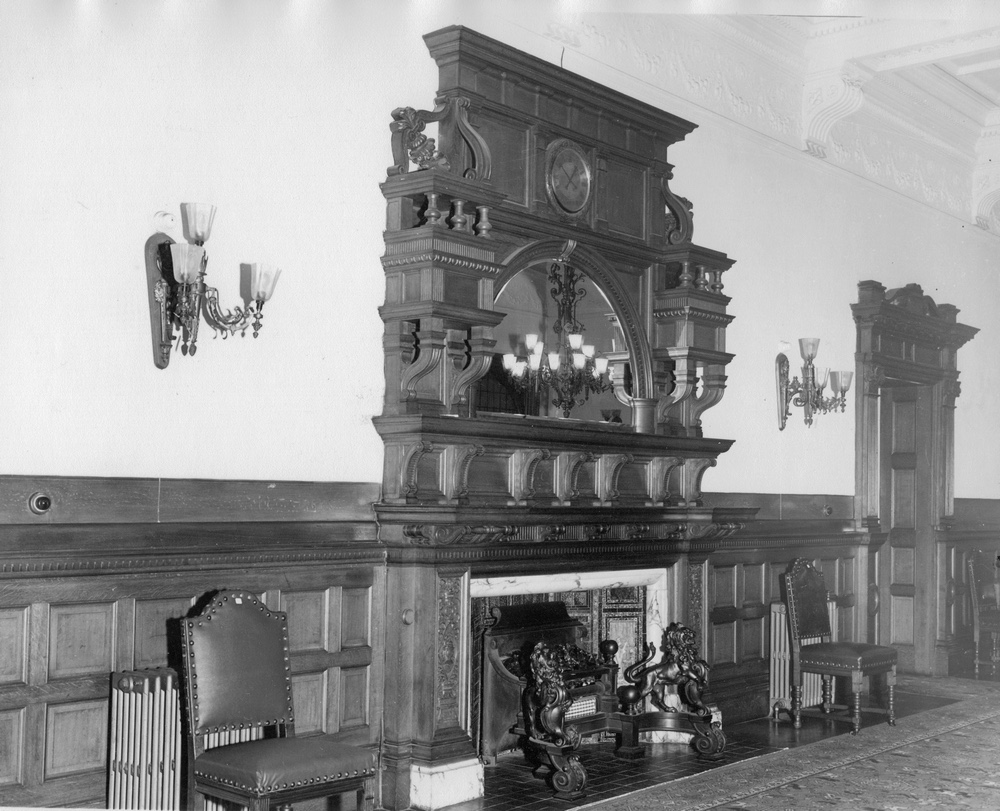
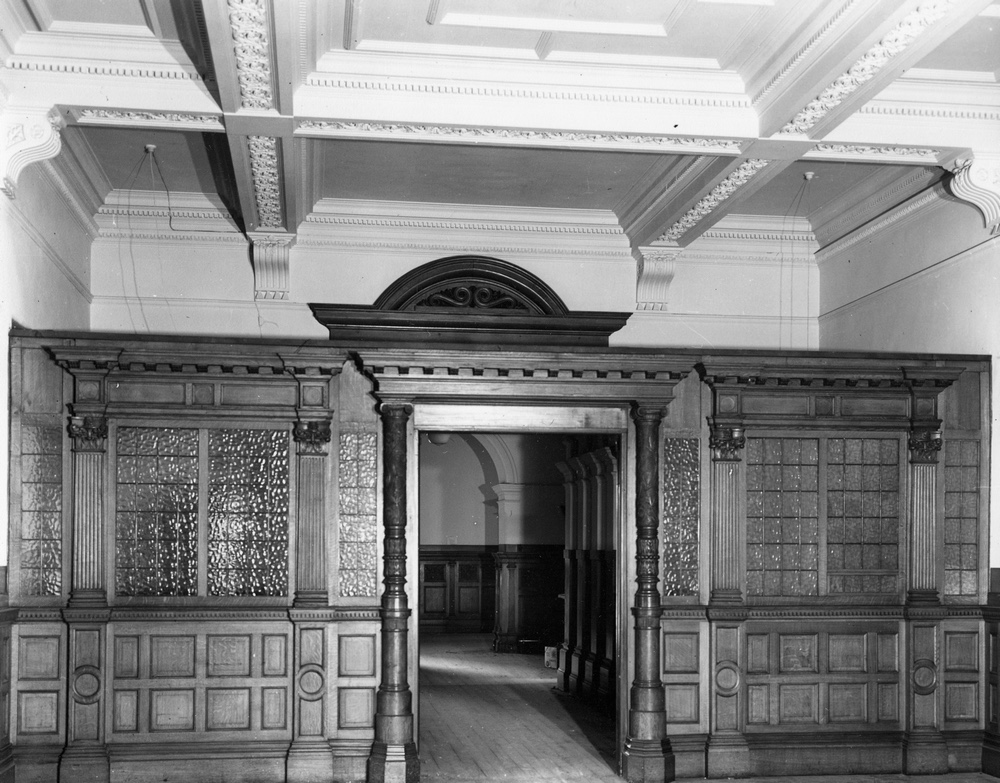
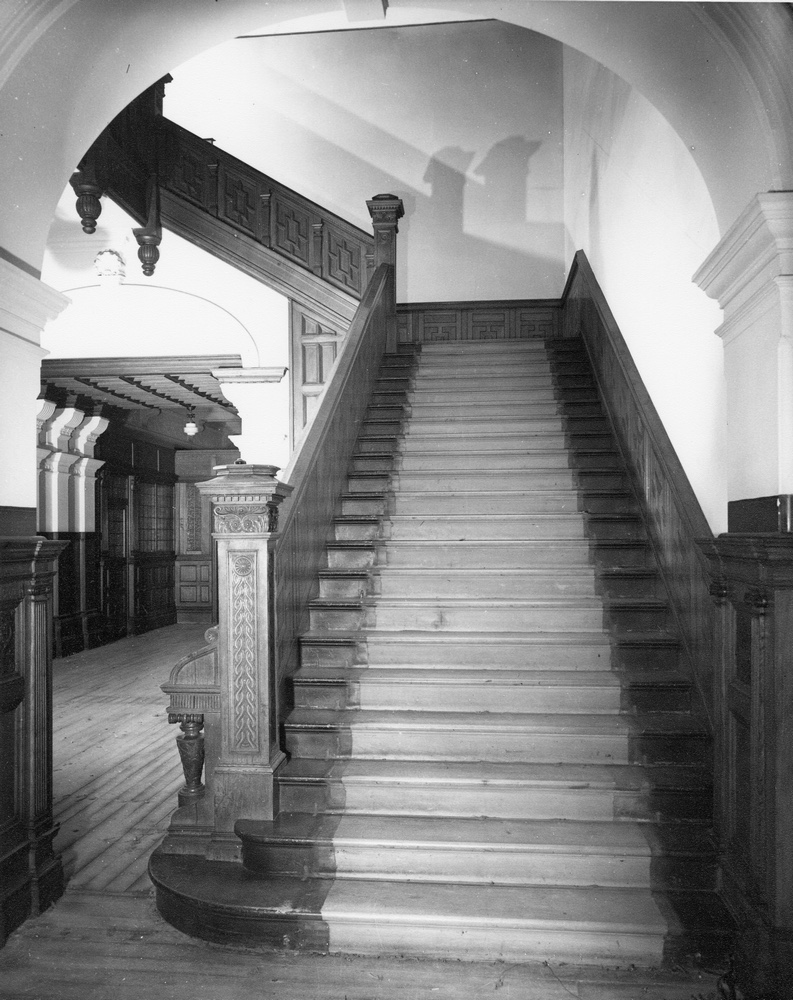
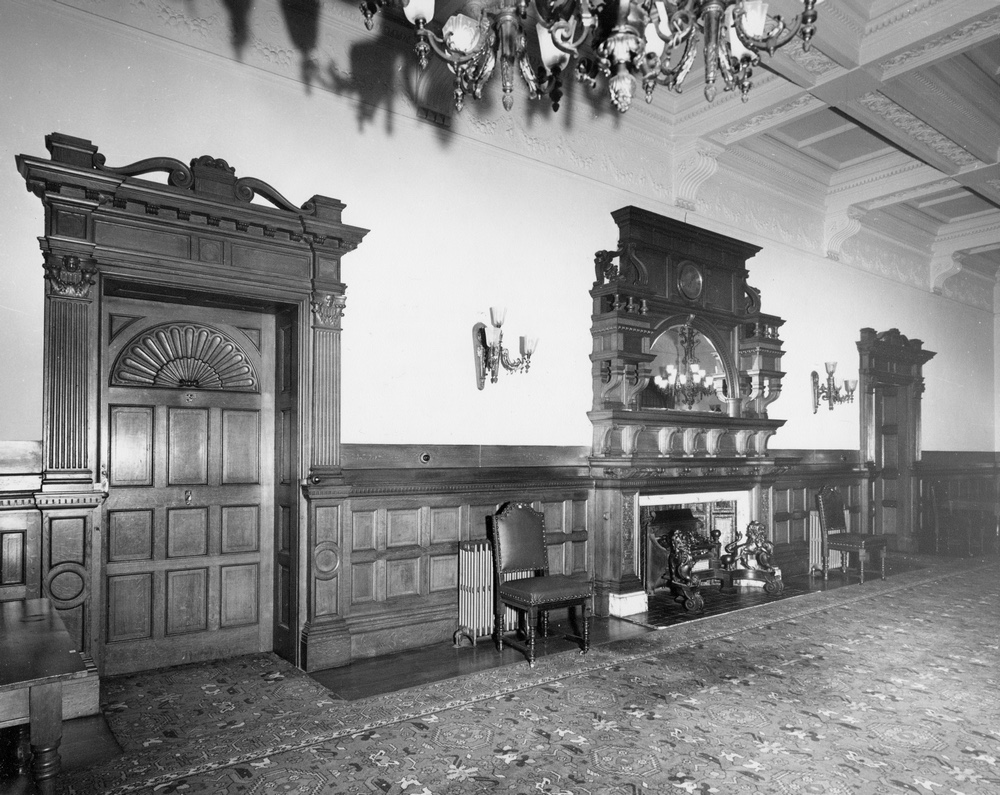
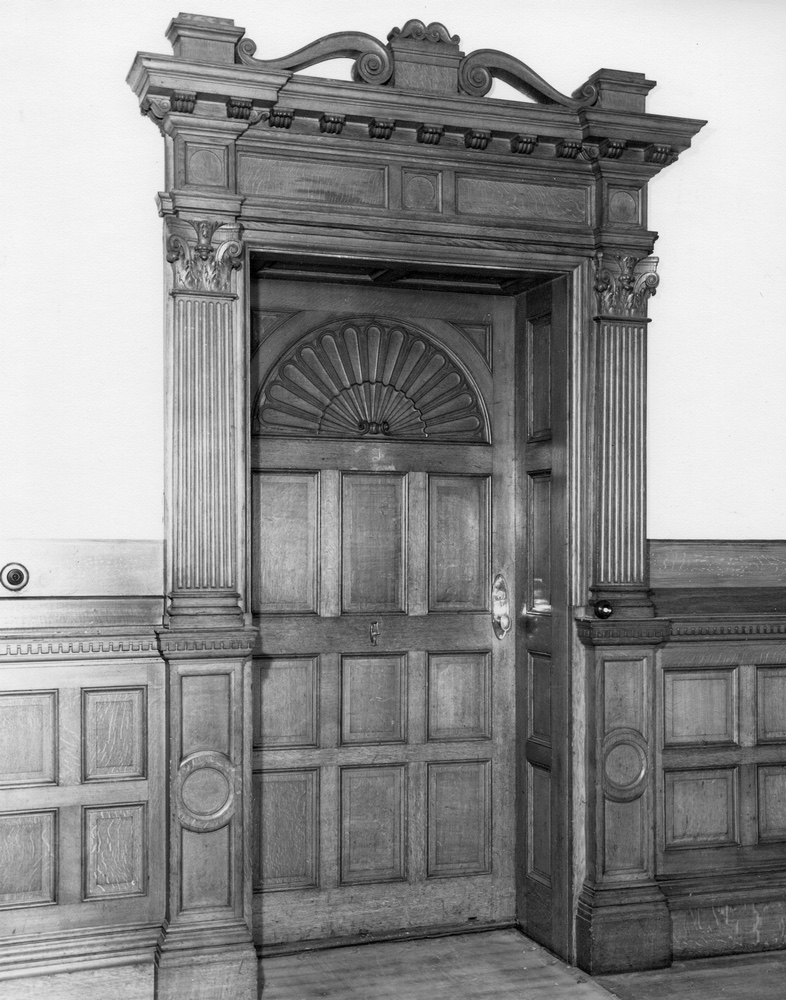
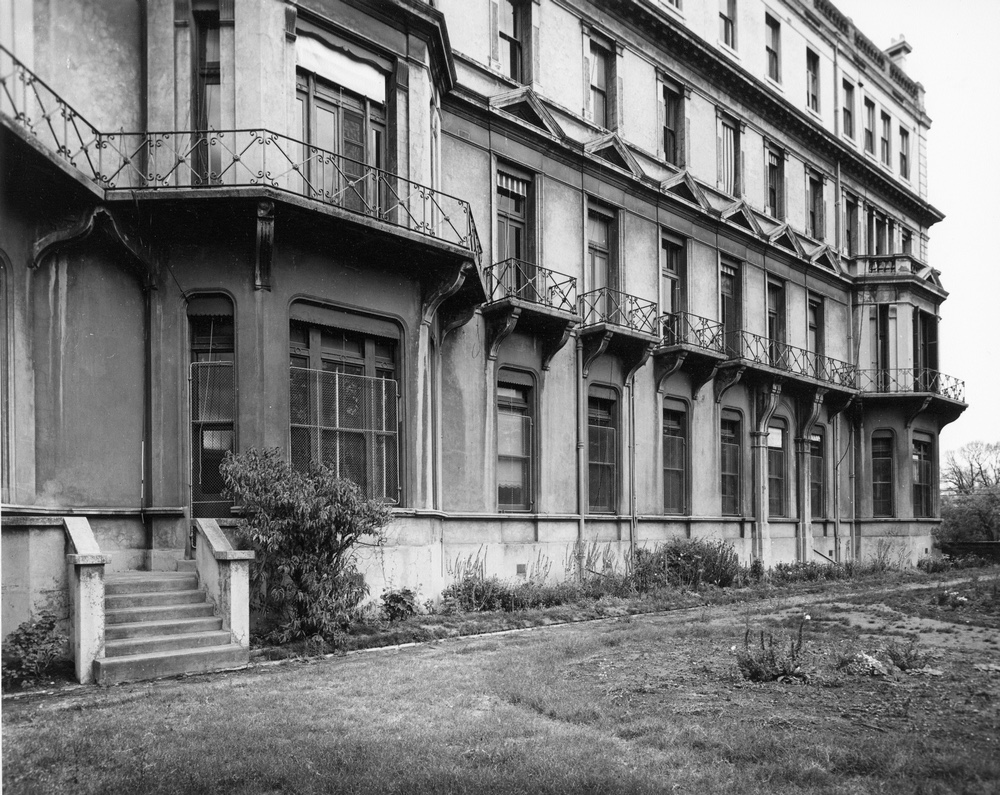
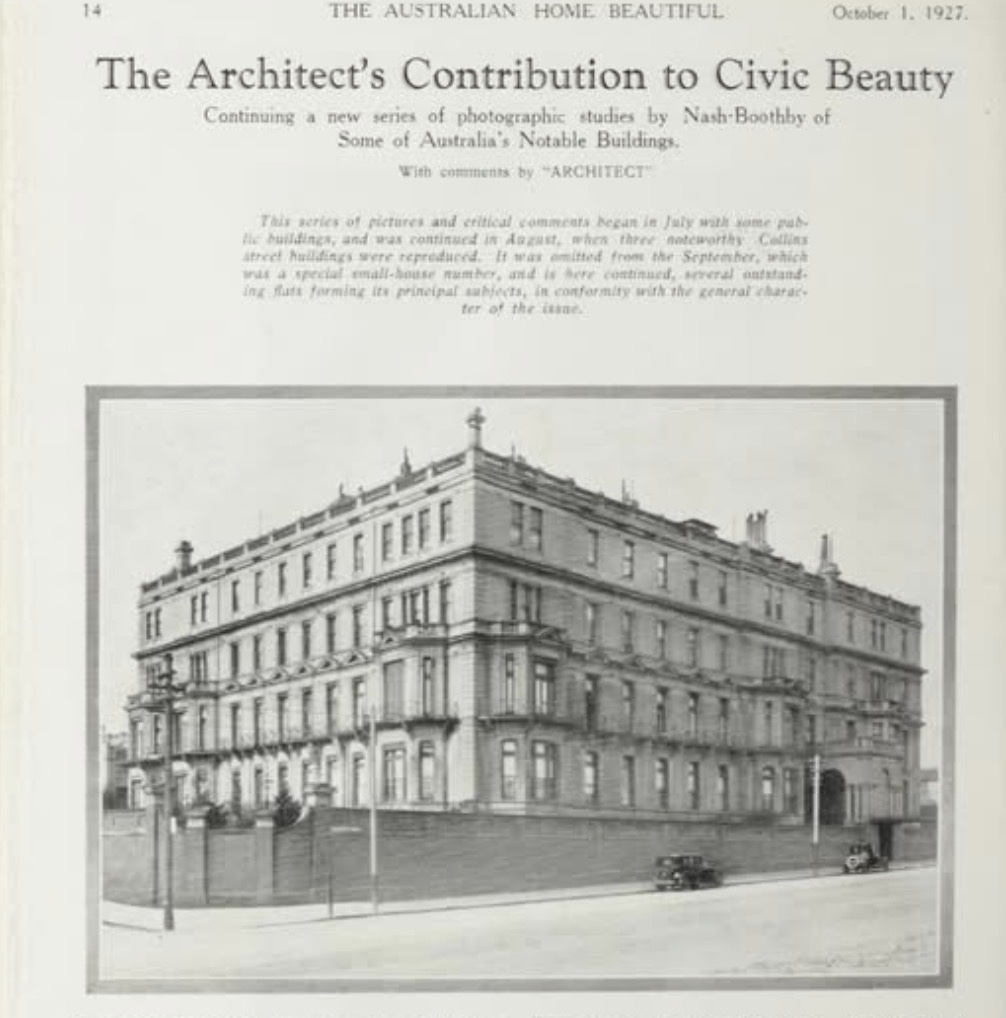
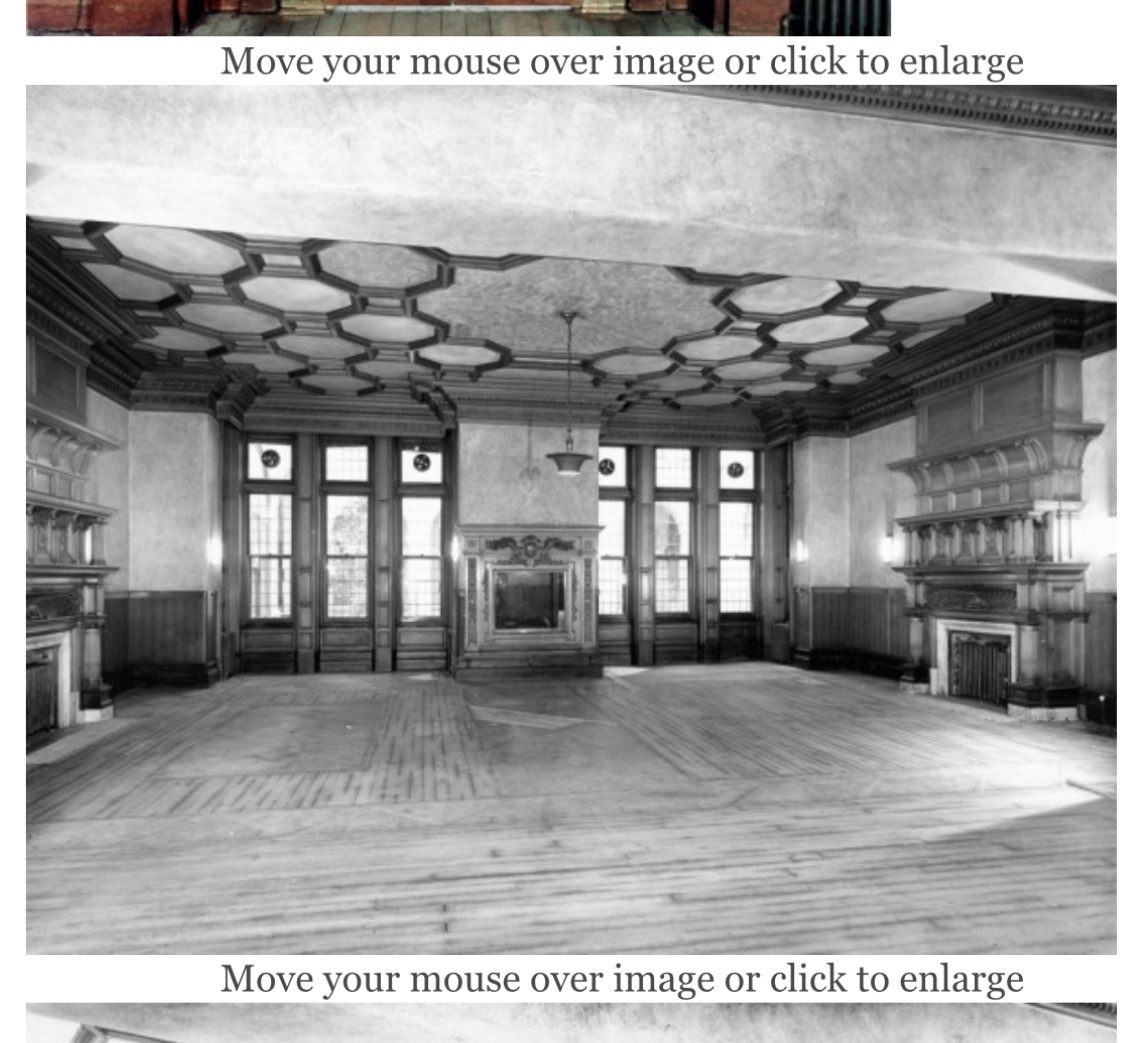
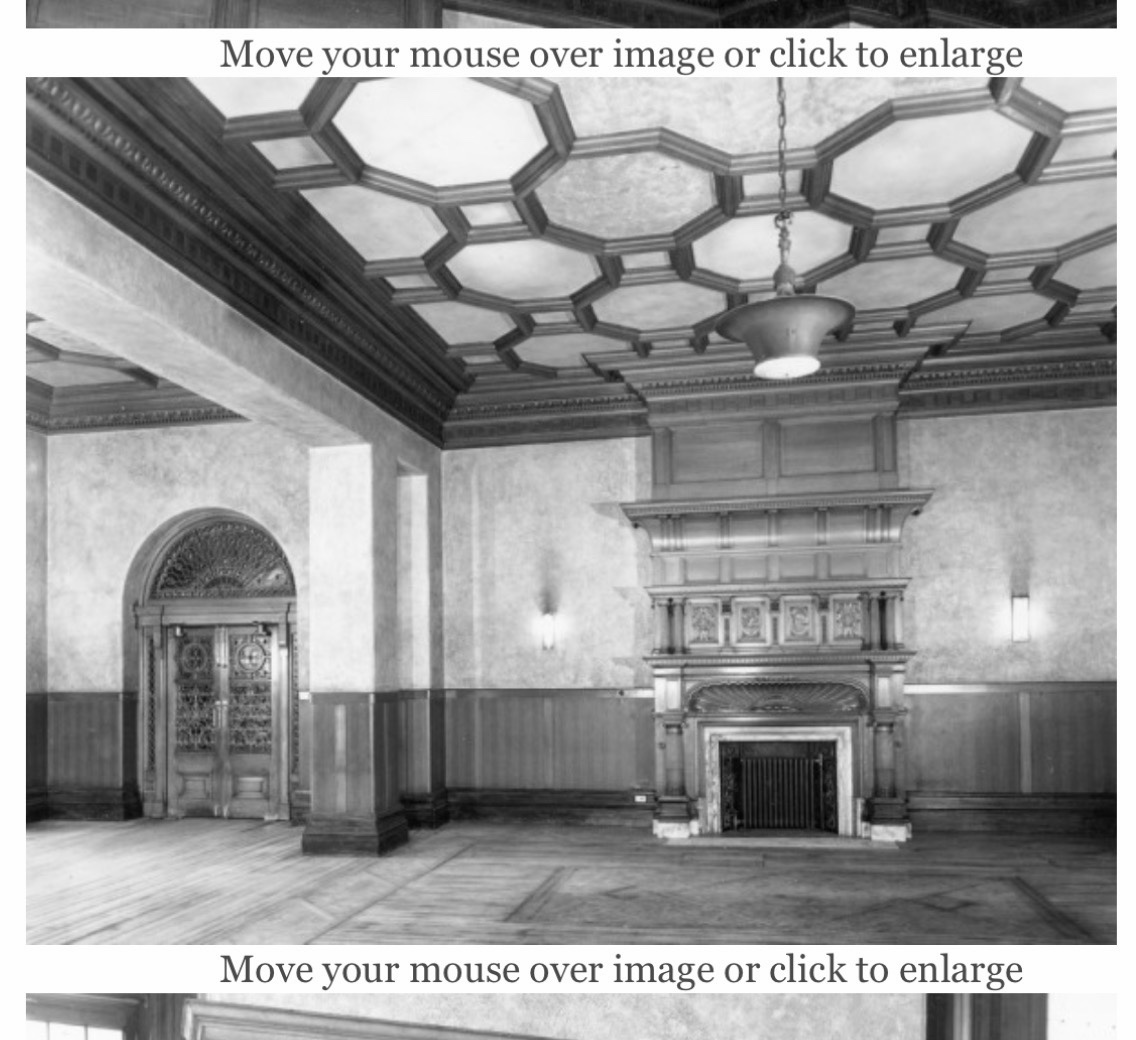
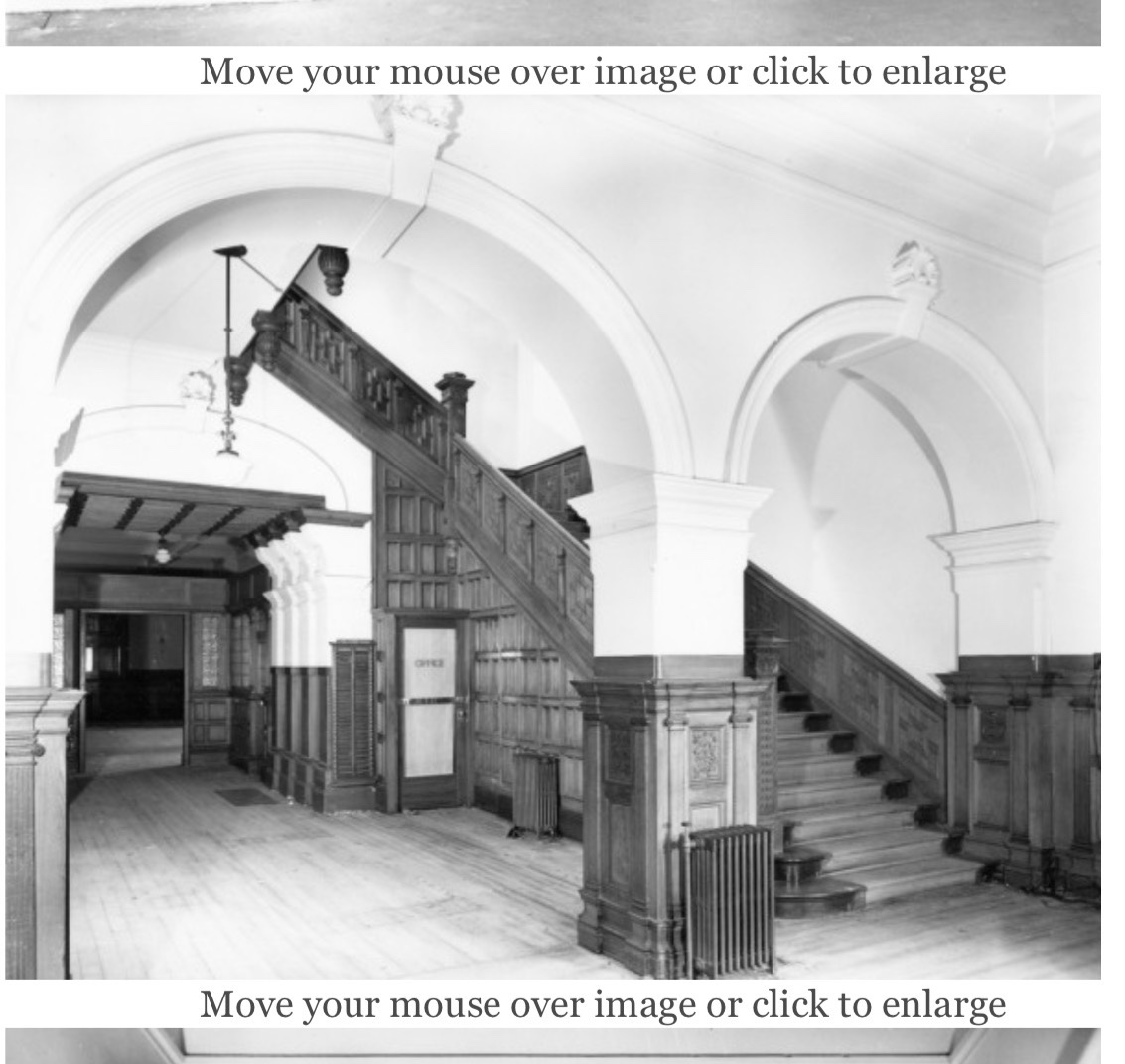
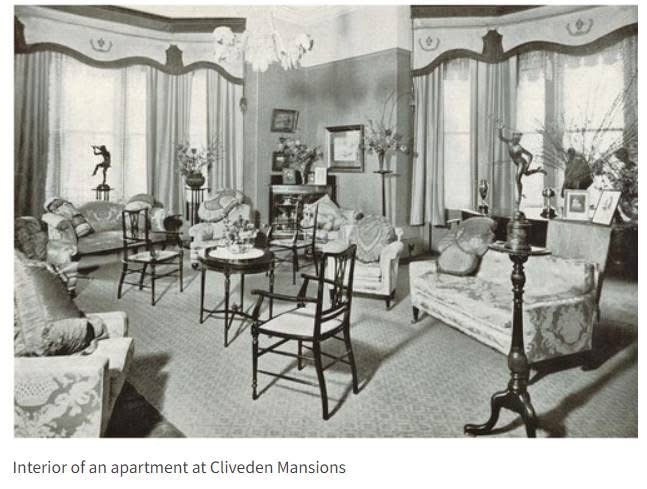
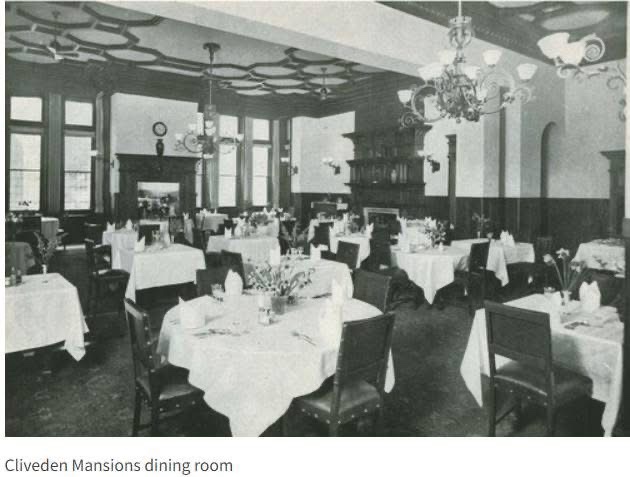
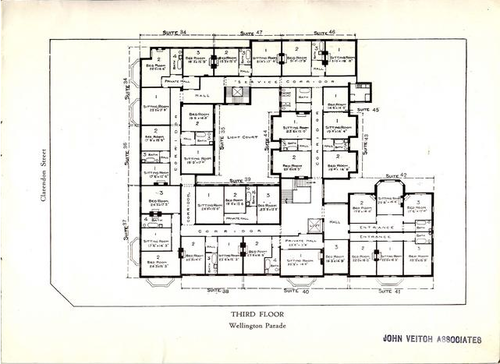
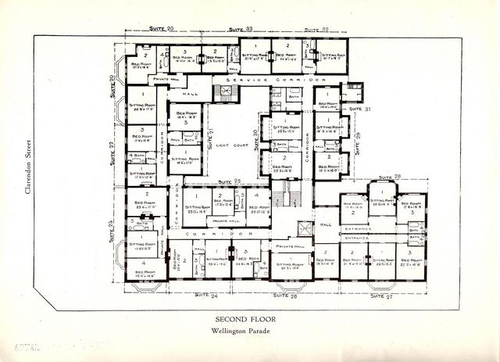
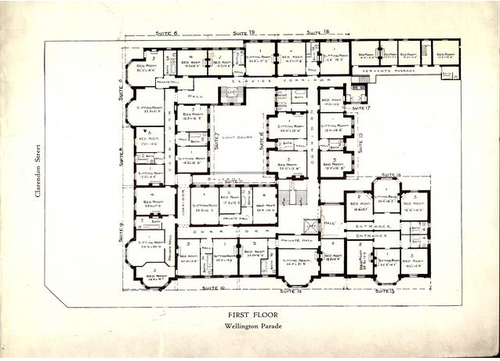
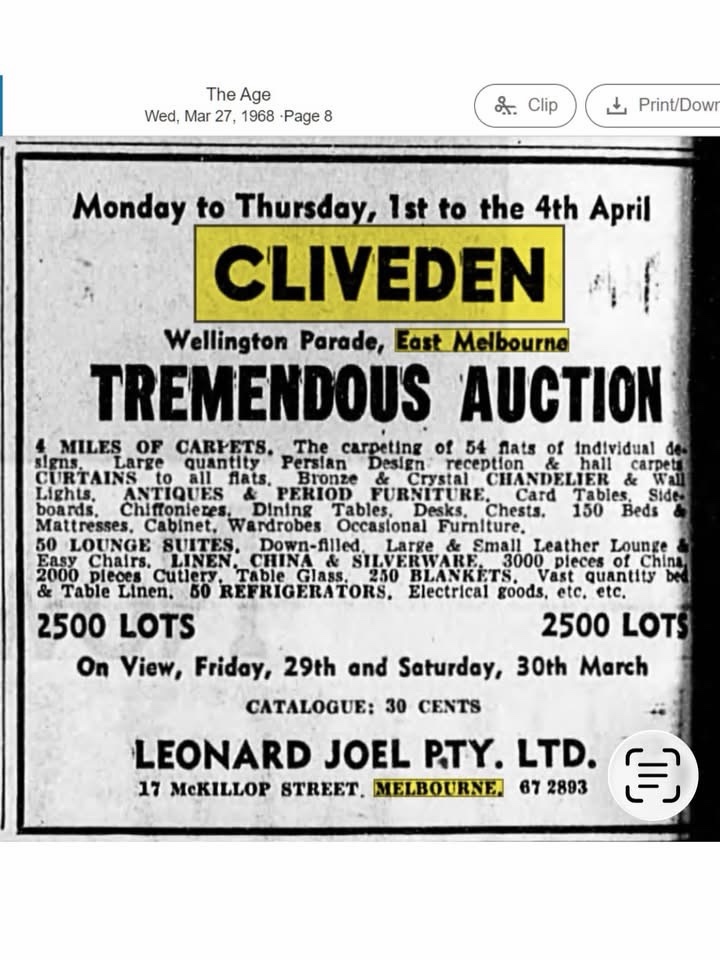
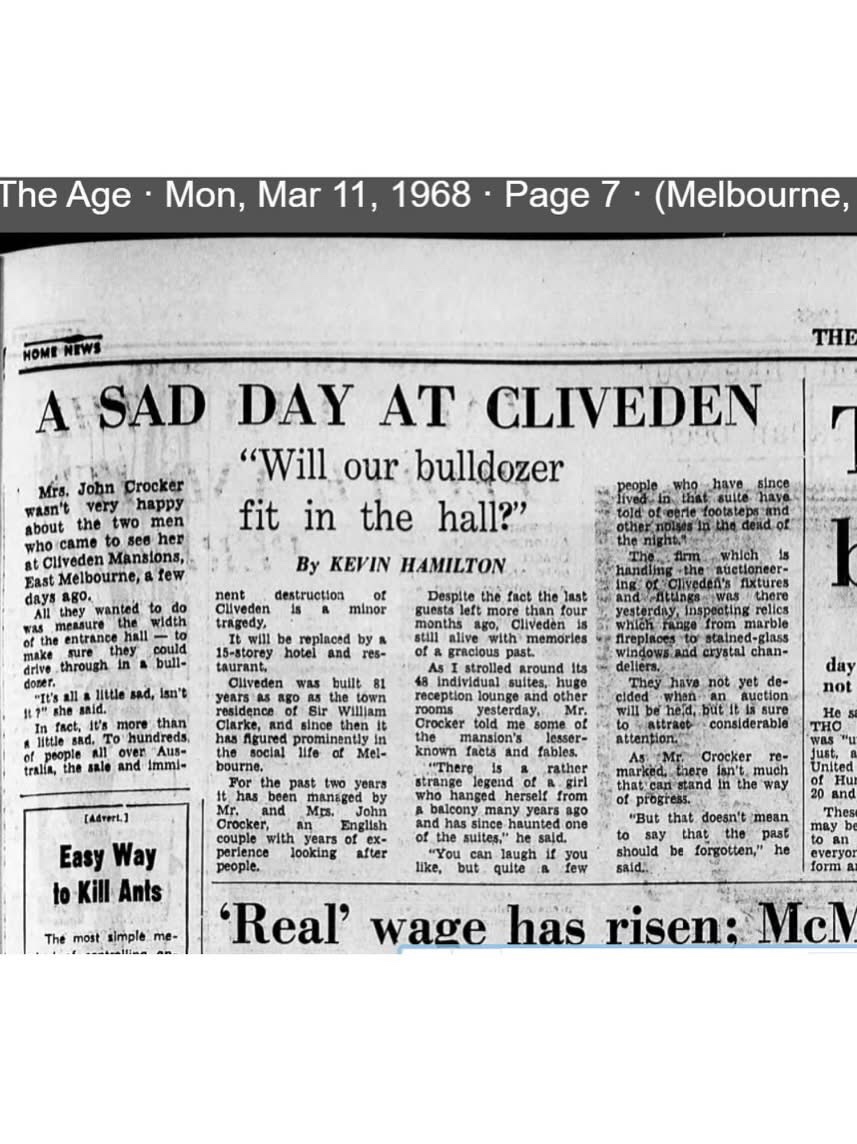
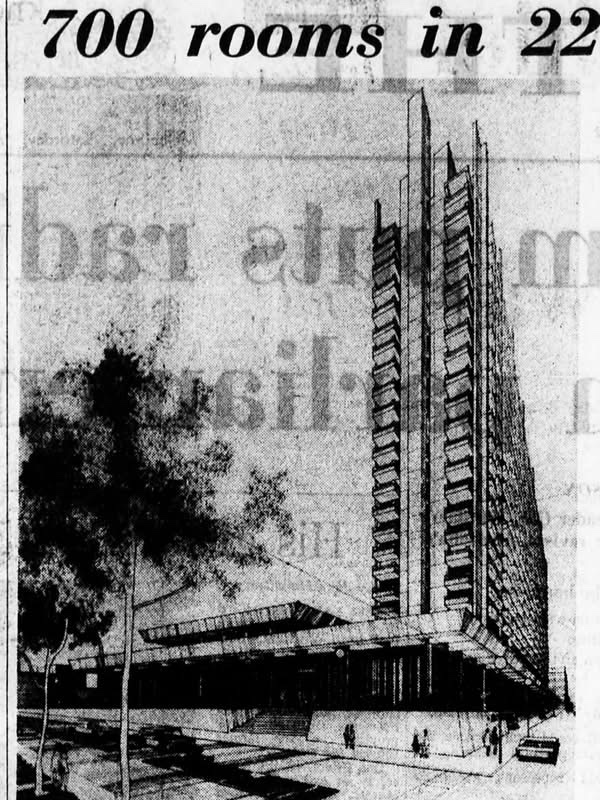
Re the demolition of the Cliveden Mansions in East Melbourne, a commenter said that it was opposed by the East Melbourne Group, so I went looking for evidence, but instead I found an early design for the hotel from 1969 – much more interesting than as built by 1975. It had a floating roofed horizontal podium, rhythmic balconies and bits sticking out the top. Architects Perrott Lyon Timlock & Kesa, best known for the very boring Gas & Fuel towers. Also found an ad for the sale of the contents and an interview with the manager, who expressed the then common view that ‘you can’t stand in the way of progress’.


I worked there and lived there funny looking back at pictures working there Was like in another time ..worked six days a week long hours
Memories came flooding back ….
LikeLike
Te me more !
LikeLike
The Hilton Hotel on the park, first opened in 1974, I started working there on November 1978, I can still remember when in 1984 for the tenth anniversary of the opening of the hotel, the Hilton had baked a fruit cake and distributed in the city of Melbourne. In the early years was a nice place to work, it was hard being a housemaid but it was fun and the staff friendly, it got very bad towards the end in the late 1990’s. I was lucky to have dined at the Cliveden with my husband and enjoyed the old decoration of the restaurant.
LikeLike