
June 2020
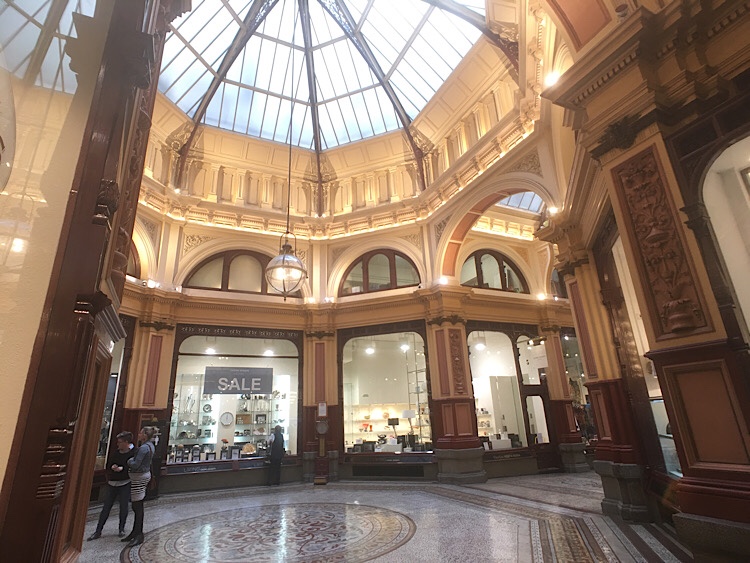
The octagonal domed space where the #BlockArcade makes it’s right angle is one of the loveliest Victorian spaces in Melbourne, and hard to photograph (my #MomentLens wide angle phone attach only just gets it).
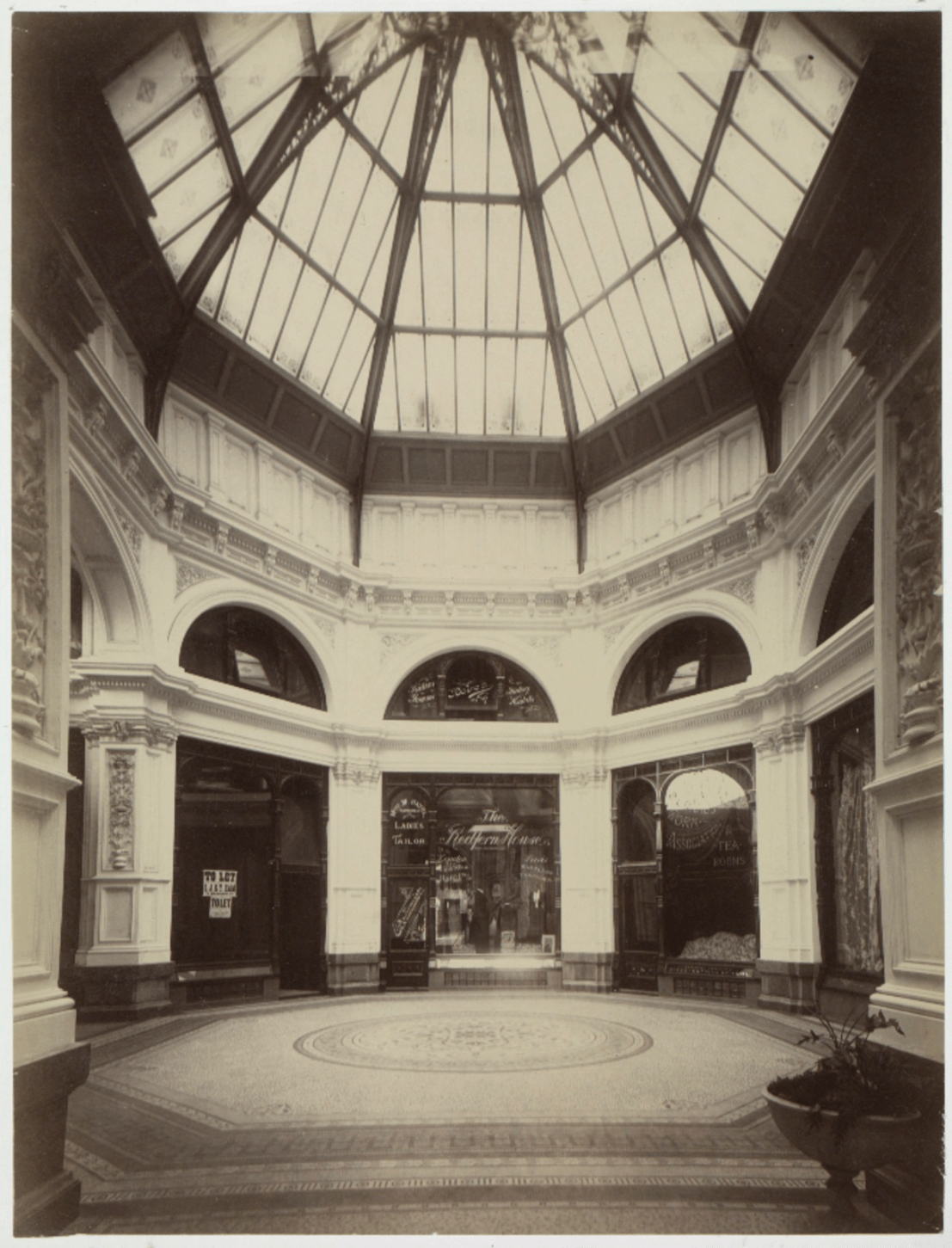
I found a great photo showing it, with ‘The Redfern House’ ladies tailor, and the tearoom of the Ladies Work Association (a charity that helped ‘gentlewomen’ who had fallen on hard times by getting them needlework), established in 1892, so probably taken about then. Another shop is to let, no doubt because the 1880s #landboom had crashed completely by then. And seeing who the early tenants were I also realise it was very much a place for women, at least probably high class ones, seems logical given it was the society retail heart of Melb, named after the practice of ‘doing the block’, that is promenading along this block of Collins St on Sat afternoons, calling into the boutiques, music and book shops, and cafes.
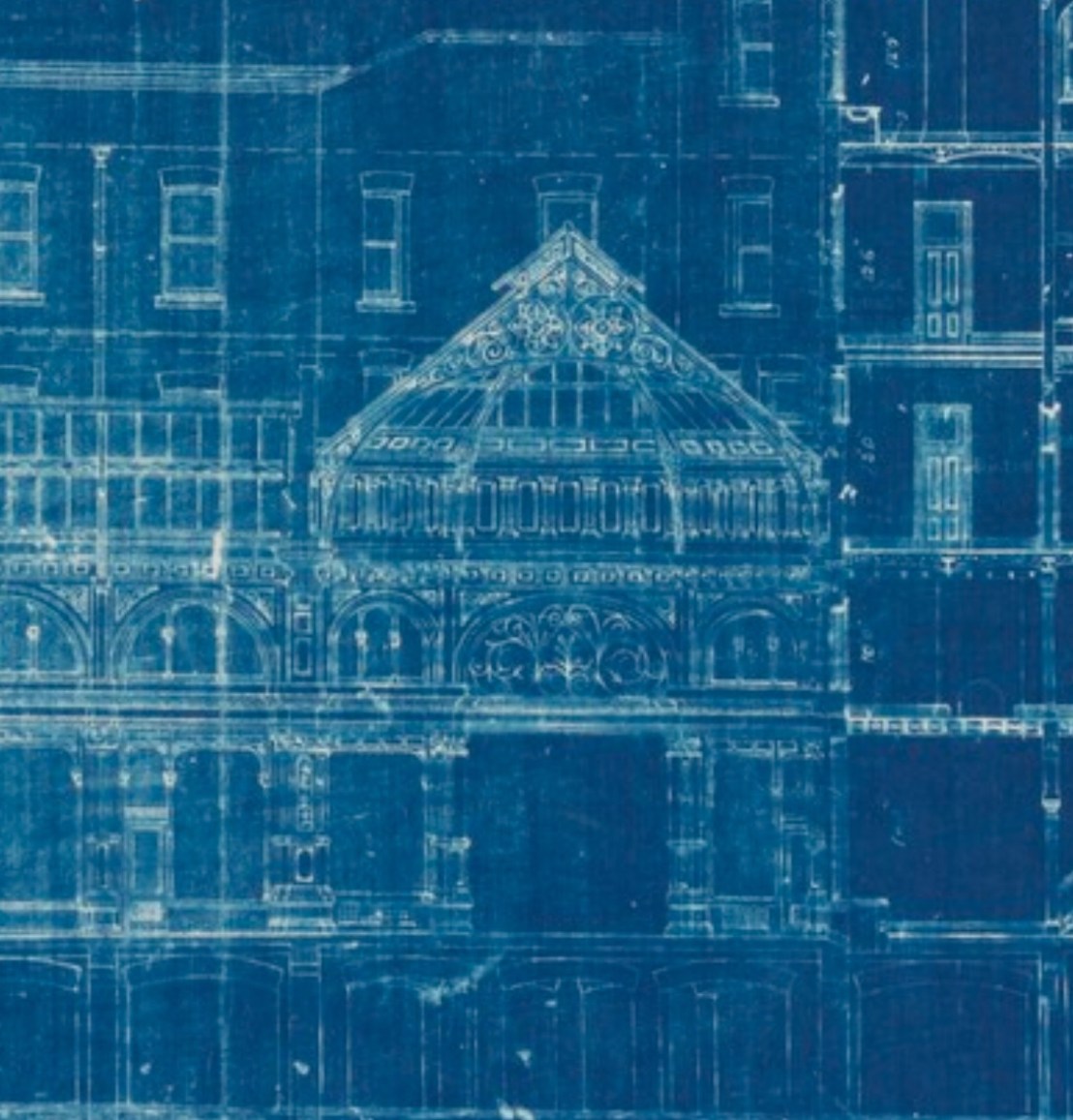
Ps I also found that the @library_vic has the original plans ! Actual #blueprints. And in the c1892 photo it looks like it was all pale colours, but I’m assured that the rich colours it was restored to in the 90s are based on the original.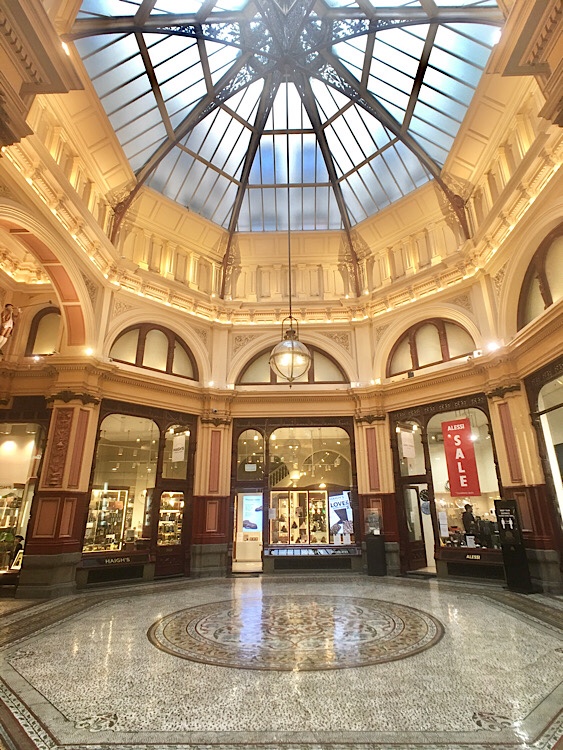
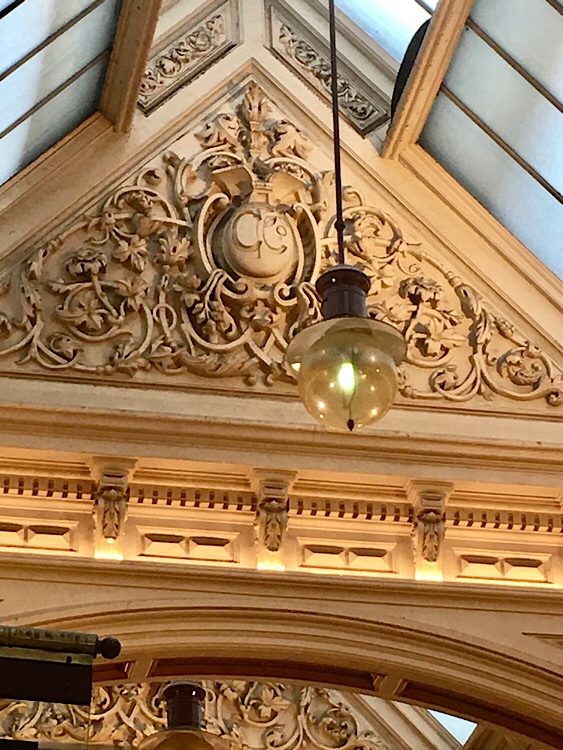
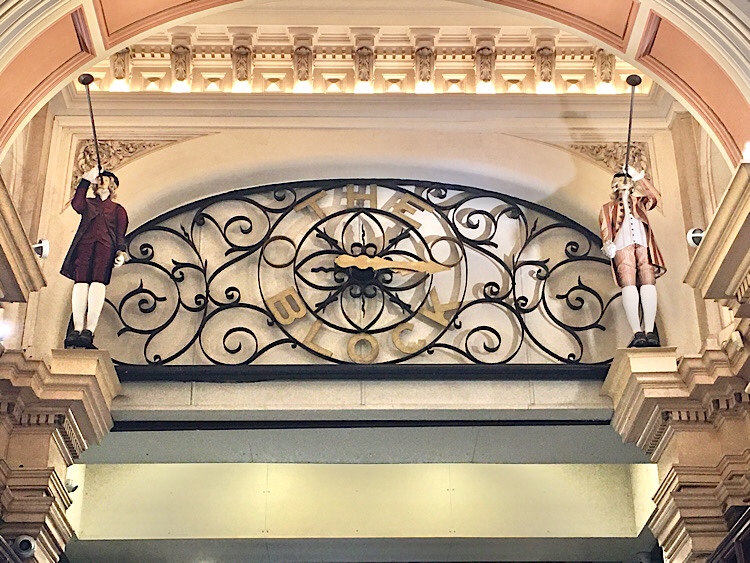
The #BlockArcade has some great details if you look up too – the elaborate #plasterwork has a #cartouche with CPCo for the development co that built it, the City Property Co., and a wrought iron screen with a built in clock, flanked by a pair of #trumpeters (apparently a recentish addition). The CPCo was a vehicle for major shareholder, notorious ‘#landboomer’ #BenjaminFink, who paid like 3p in the pound to his creditors when the Boom bust in 1892, so actually I don’t know how he kept building the arcade through to Oct 1893, I guess once it was started…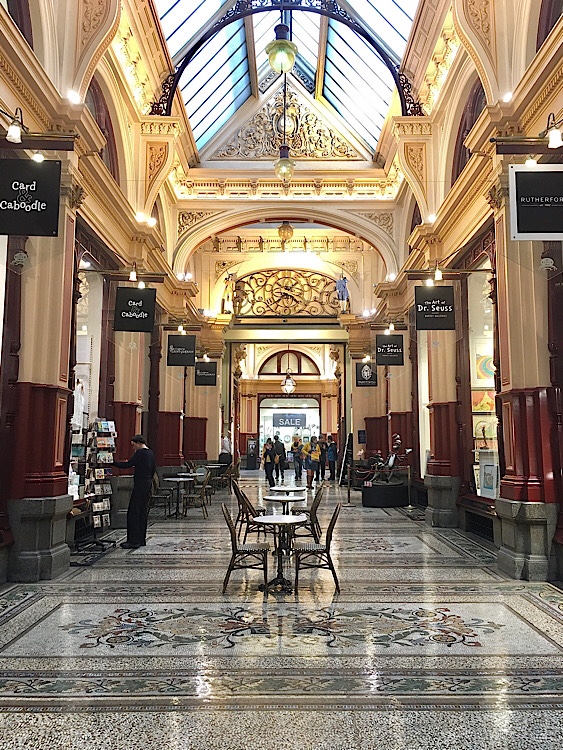
Just realised that the shopfronts in the #BlockArcade are in fact extremely tall, with HUGE areas of glass for the early 1890s; it was definitely a luxury shopping destination, all spacious and tall and elaborate (though the shops themselves aren’t very big, even with the upper level that’s attached to some of them).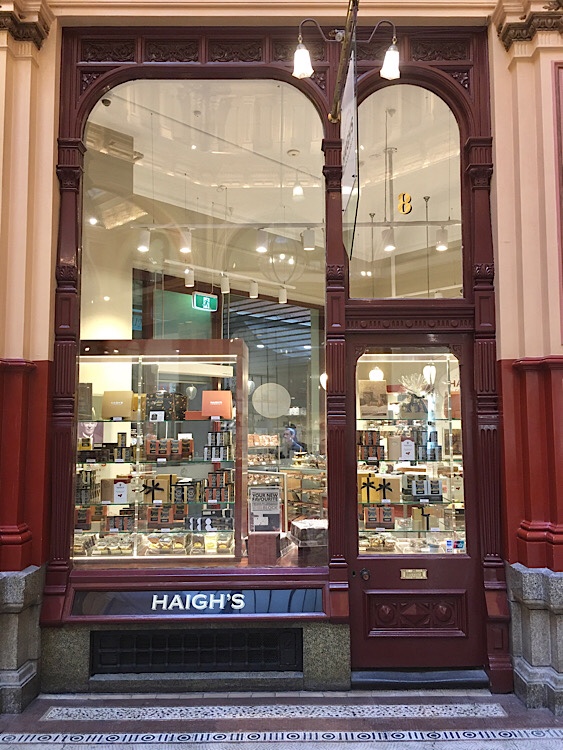
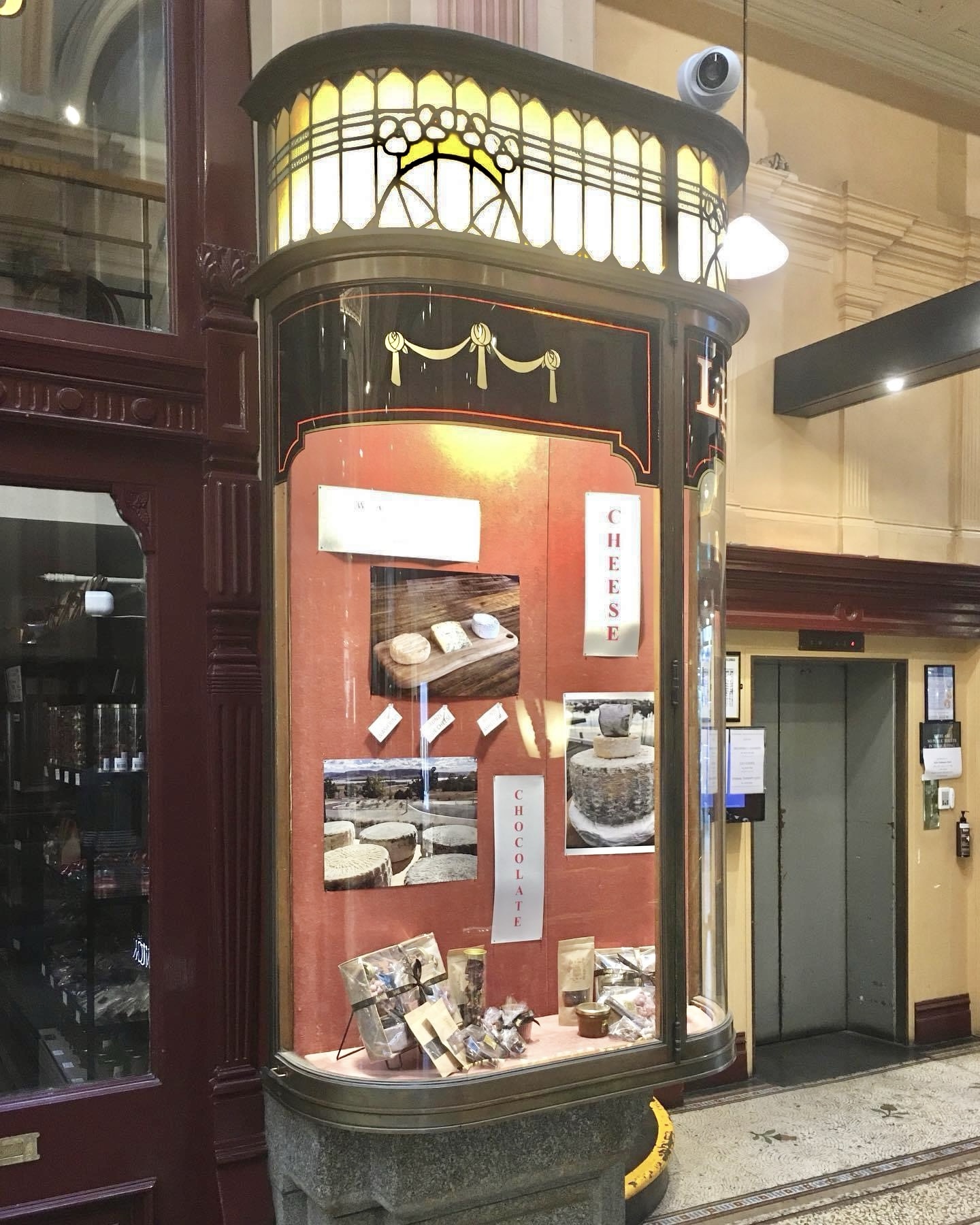
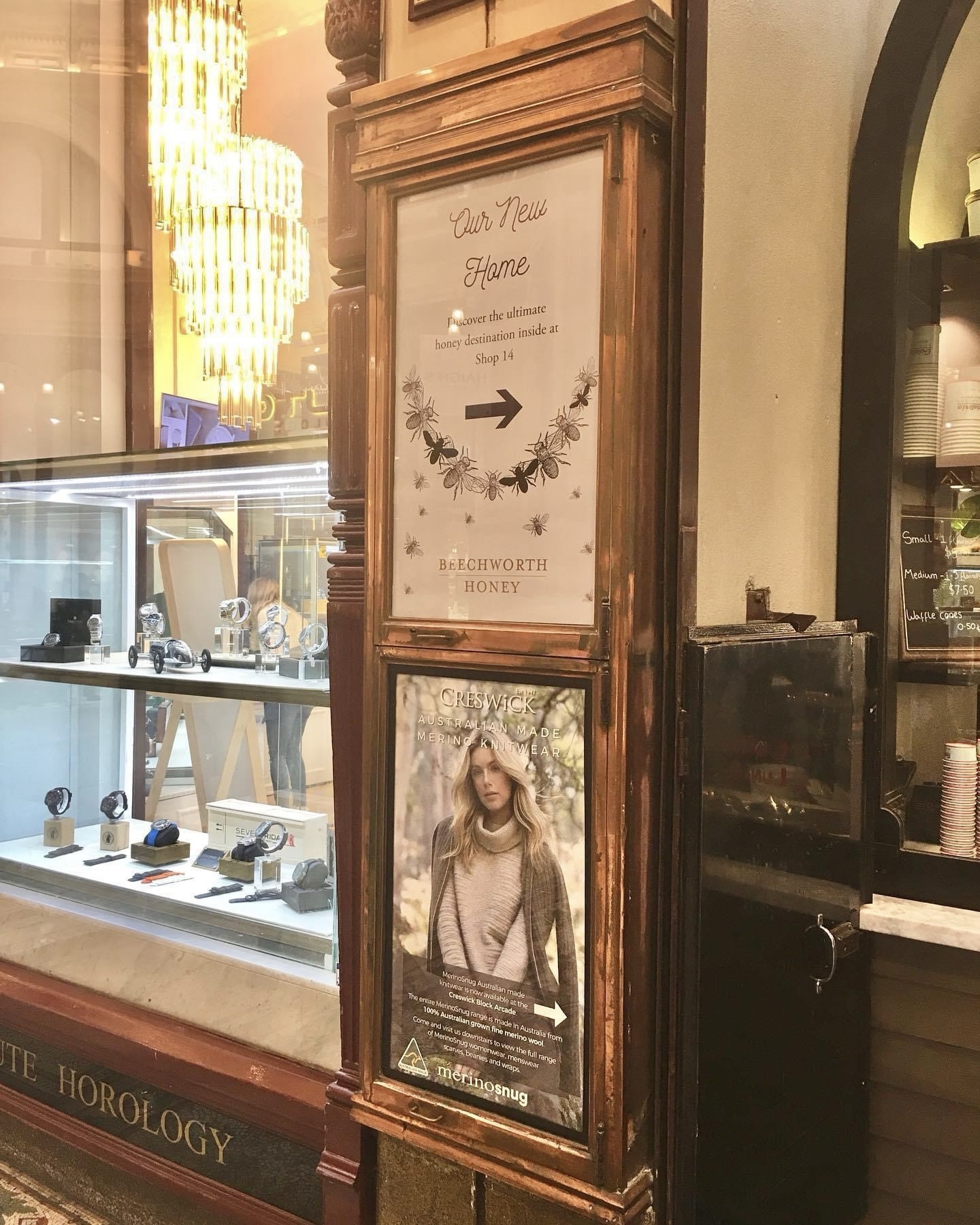
The #BlockArcade has a few of the lovely Edwardian display cases at the Elisabeth St end, which thankfully weren’t removed as ‘not original’ when it was restored in the 90s. There’s a few nice copper framed possibly 30s ones as well where Block Place crosses. Pity the displays are terrible !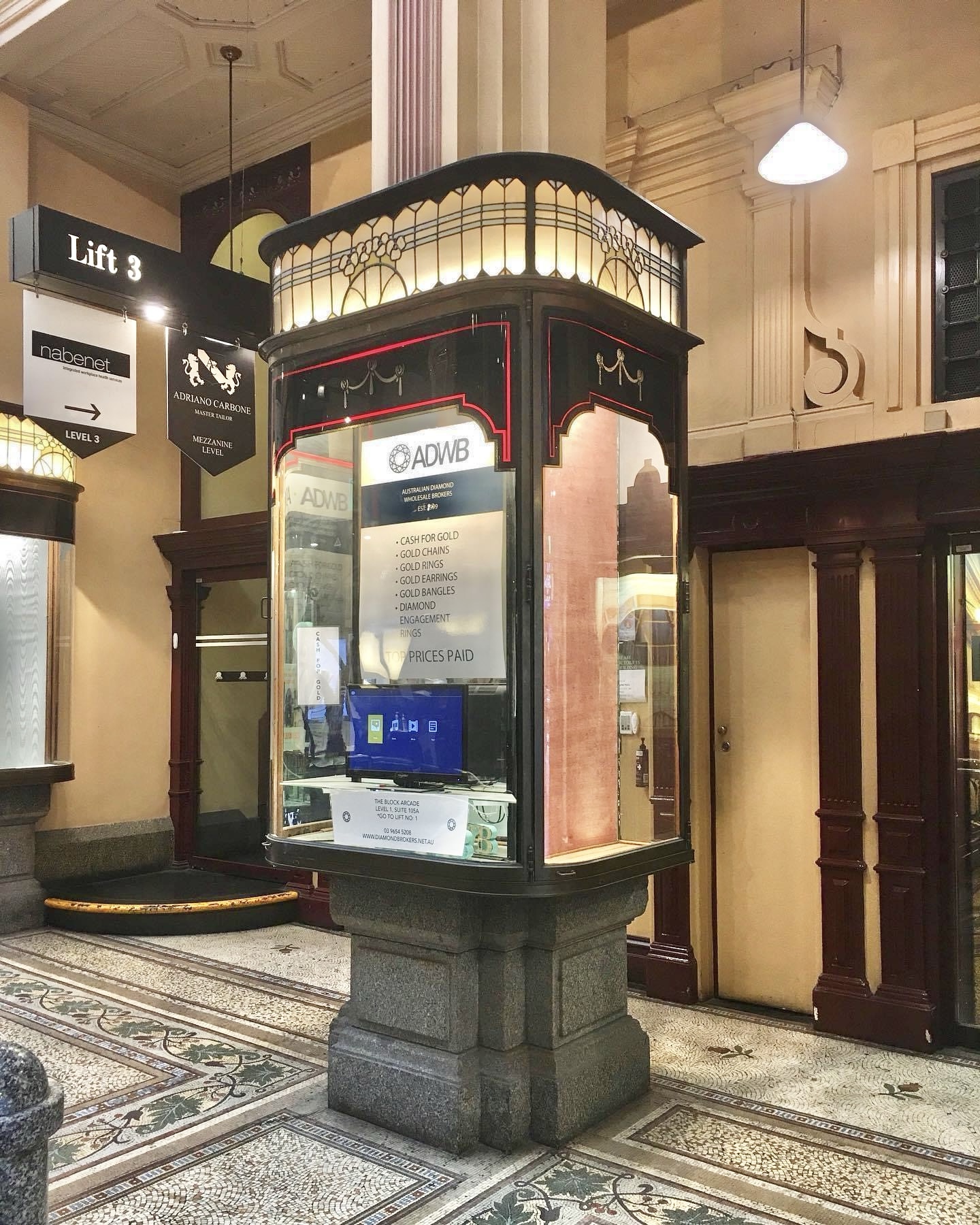
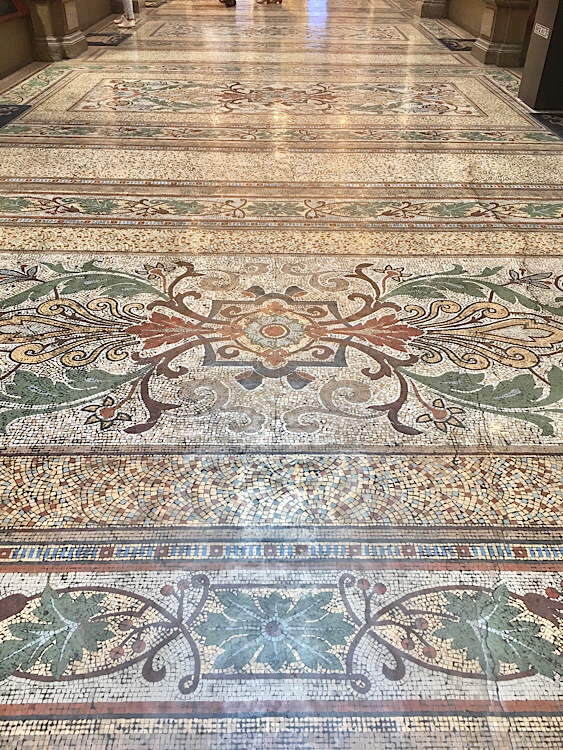
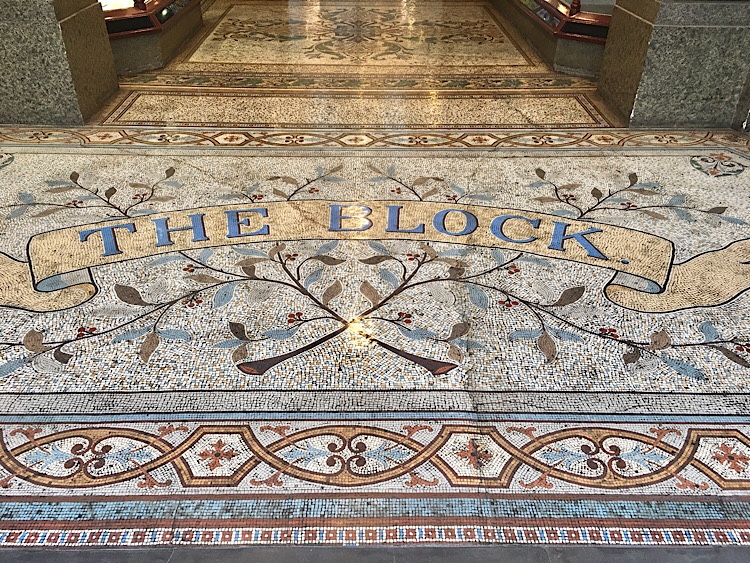
The city is still relatively quiet, so a good time to photograph what the Daily Mail claimed to be the 2nd most instagrammable floors in the world (the first is the Met in NY, which is similar but B&W). From the Block website : “The intricate mosaic tiled floor was designed by the UK company #CravenDunnill and each tile was imported from Italy. In fact, the Block Arcade still holds in reserve samples of all colours used, except for dark chocolate.”
19 December 2014:
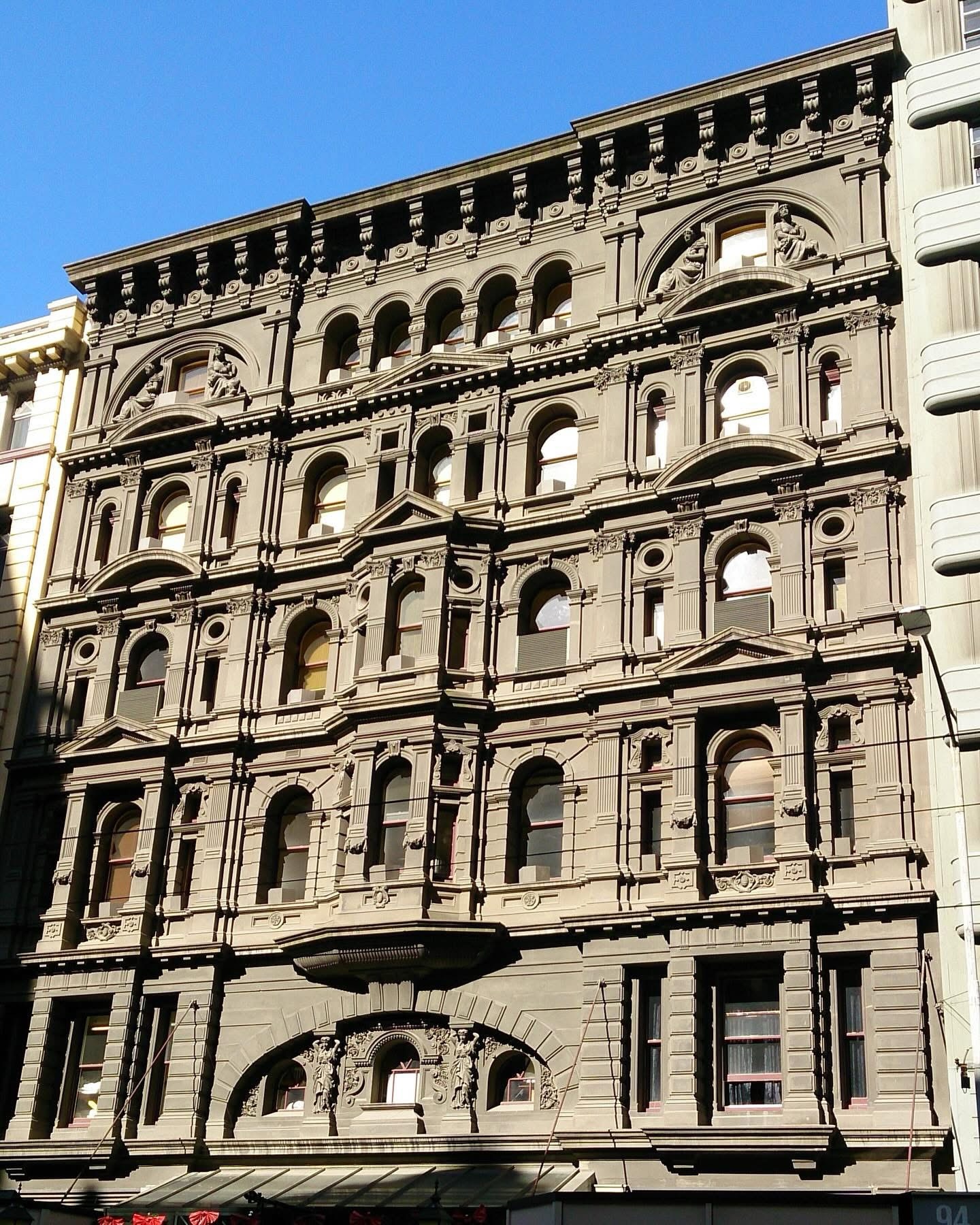
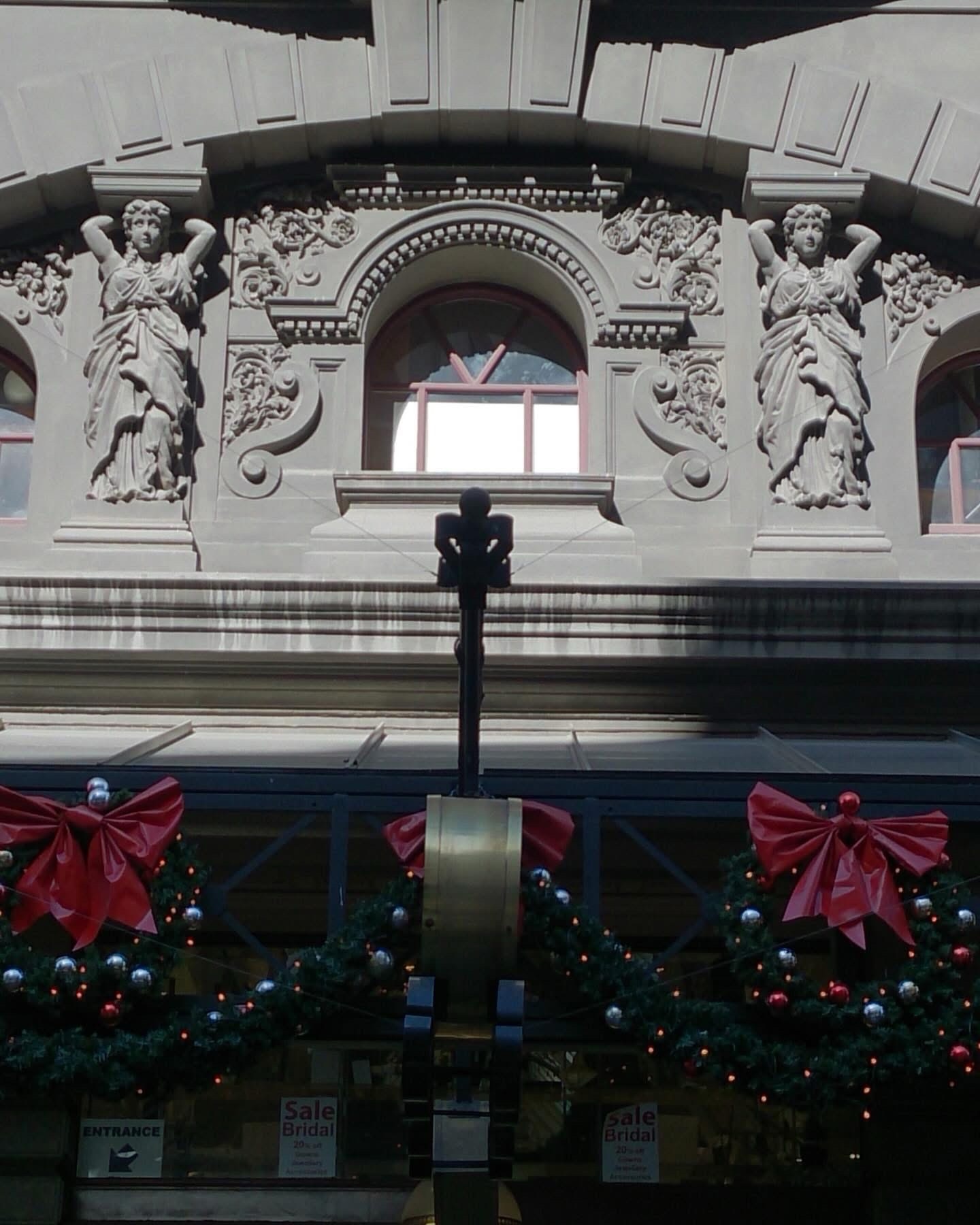
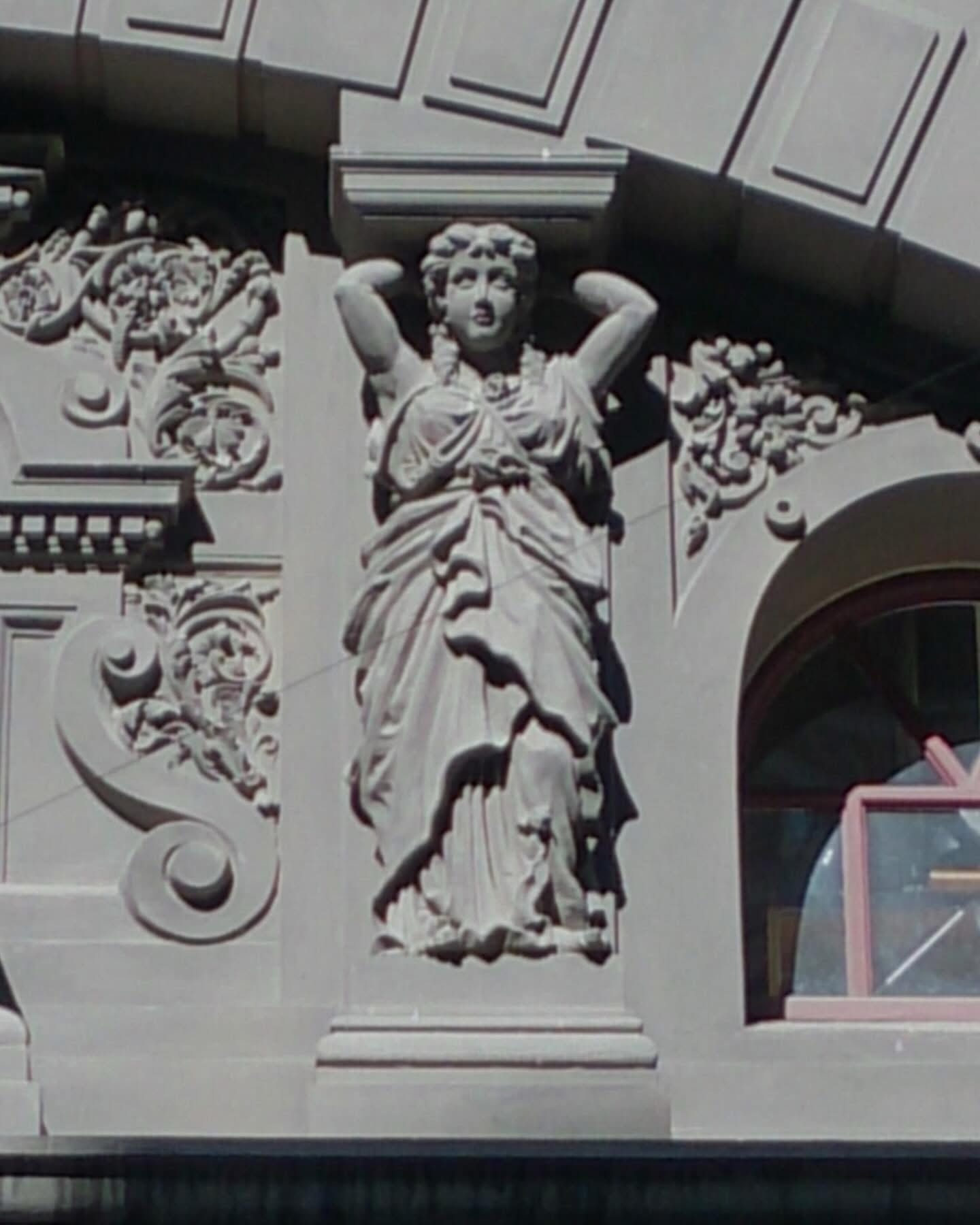
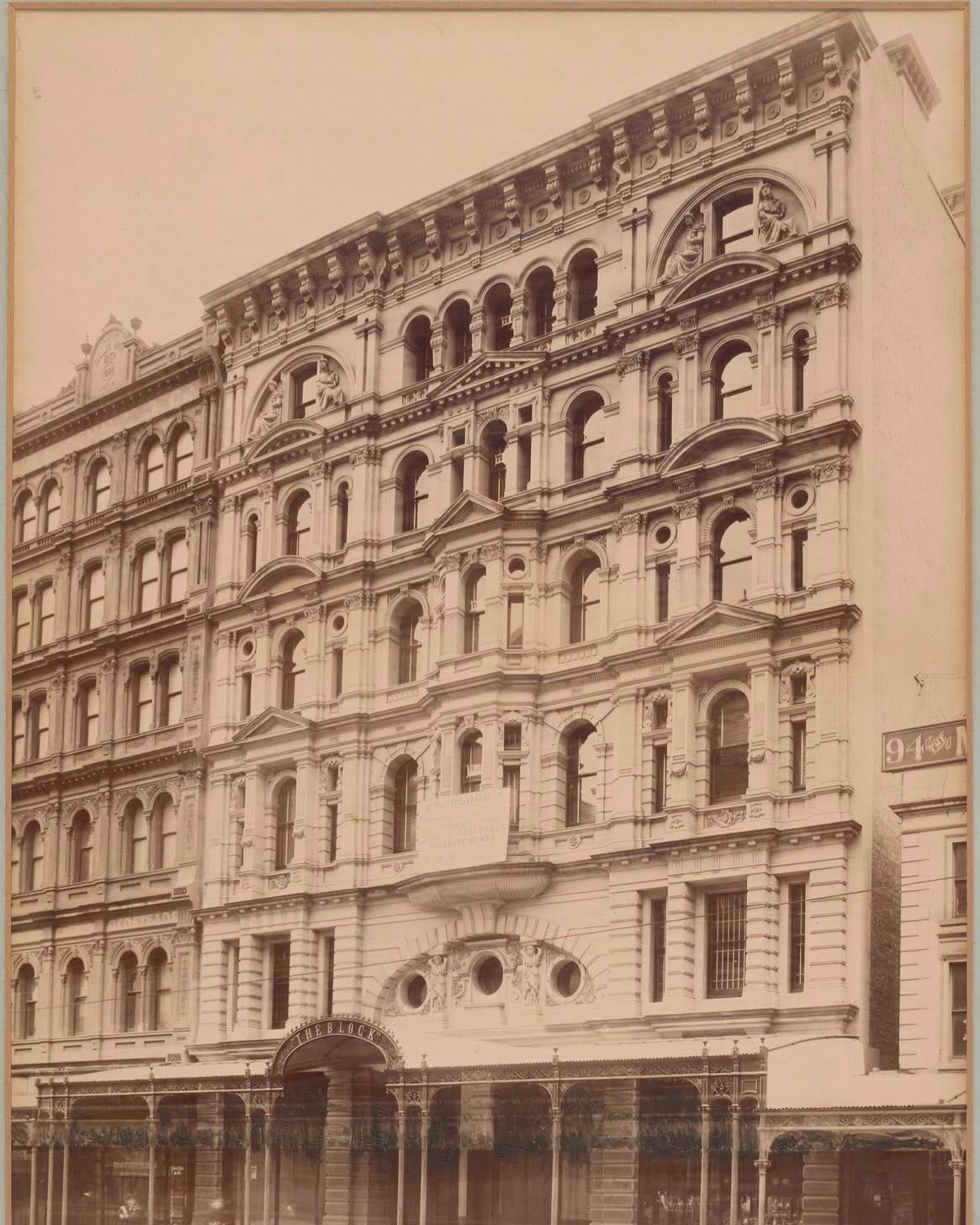
Block Arcade, Elizabeth Street #facade. Built 1893 as extension to the collins street section of 1891, despite the financial crash of those years (I guess better a whole arcade than half a one).
Architects Twentyman & Askew, heaps of #mannerist and #baroque and even some #queenanne elements animating the highly modelled facade. Many layers of detail, but not much applied decoration, it’s all ‘architectural’, apart from some very delicate scrolls, and the female figures are rather well done. It looks like maybe bluestone but no it’s all #cementrender / #stuccodecoration. It got painted at some point, and in c1995 @andronasarchitecture stripped it and applied a silicate paint (which has the texture of render).
From the c1893 photo it looks like maybe it was lighter originally, but tests indicated it was darker. In detail it matches the Collins Street facade (last pic c1920) except that’s one floor less; it’s actually built as two separate buildings divided by a lane and joined by little sloping bridges.
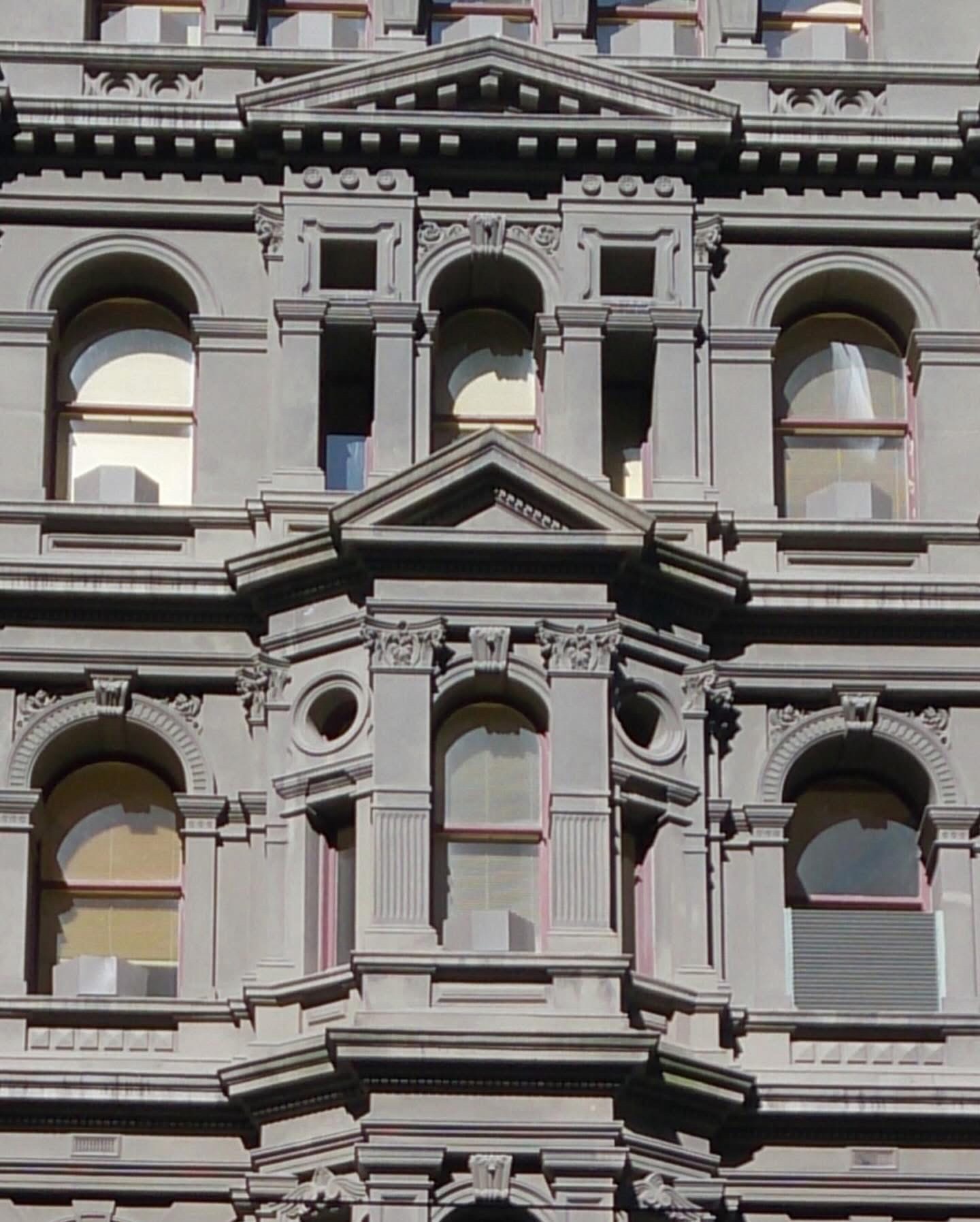
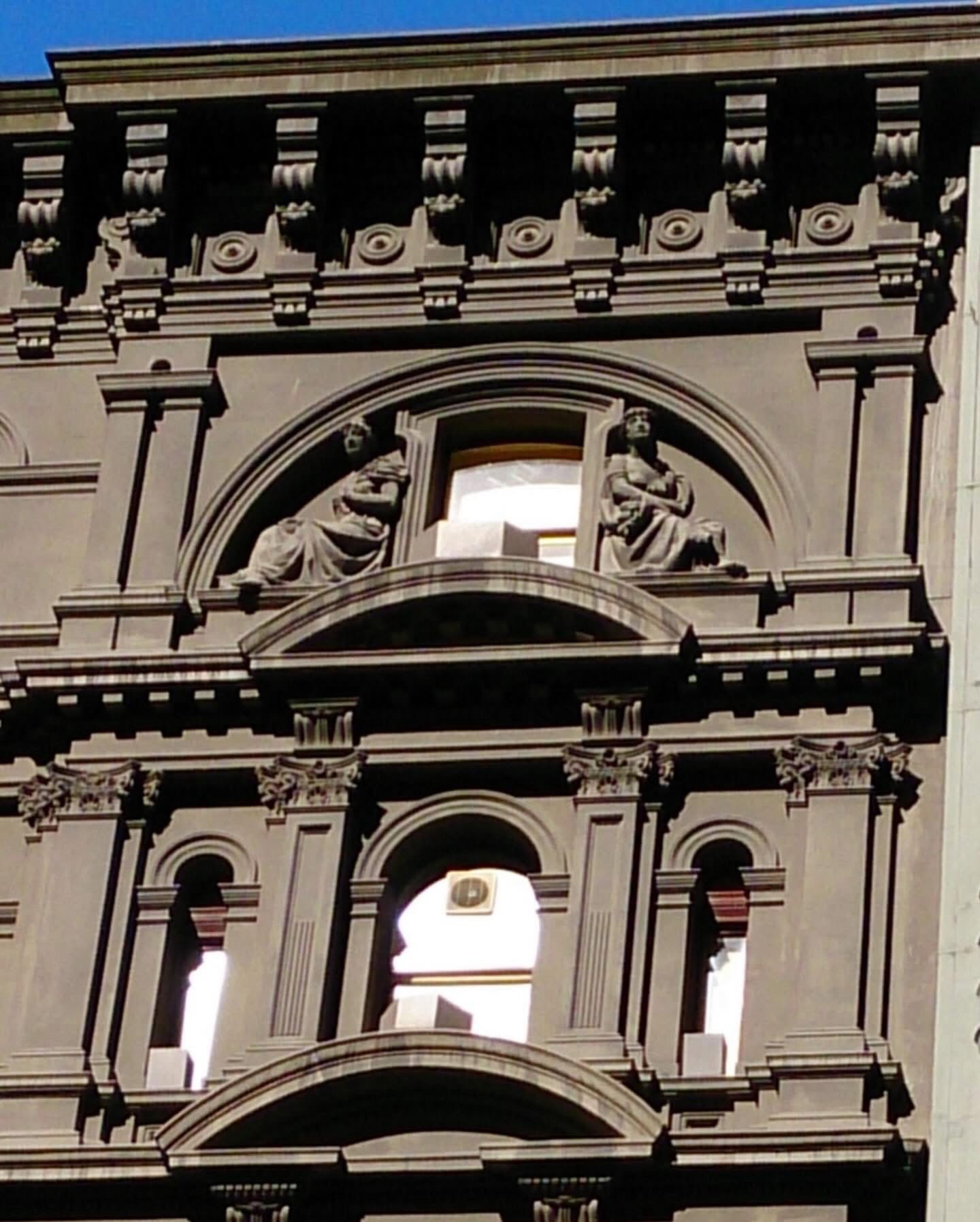
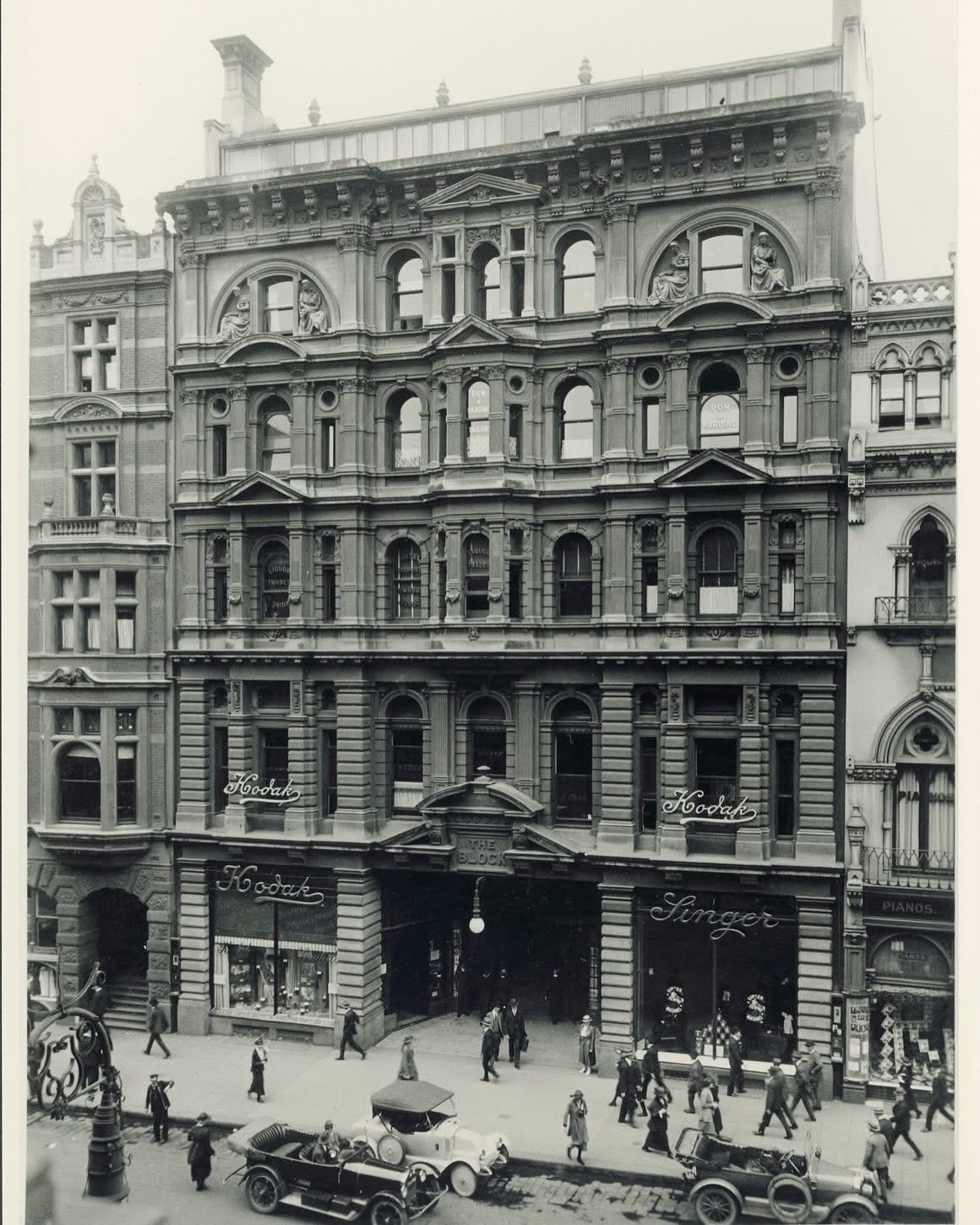
Collins Street facade c1920
October 2025
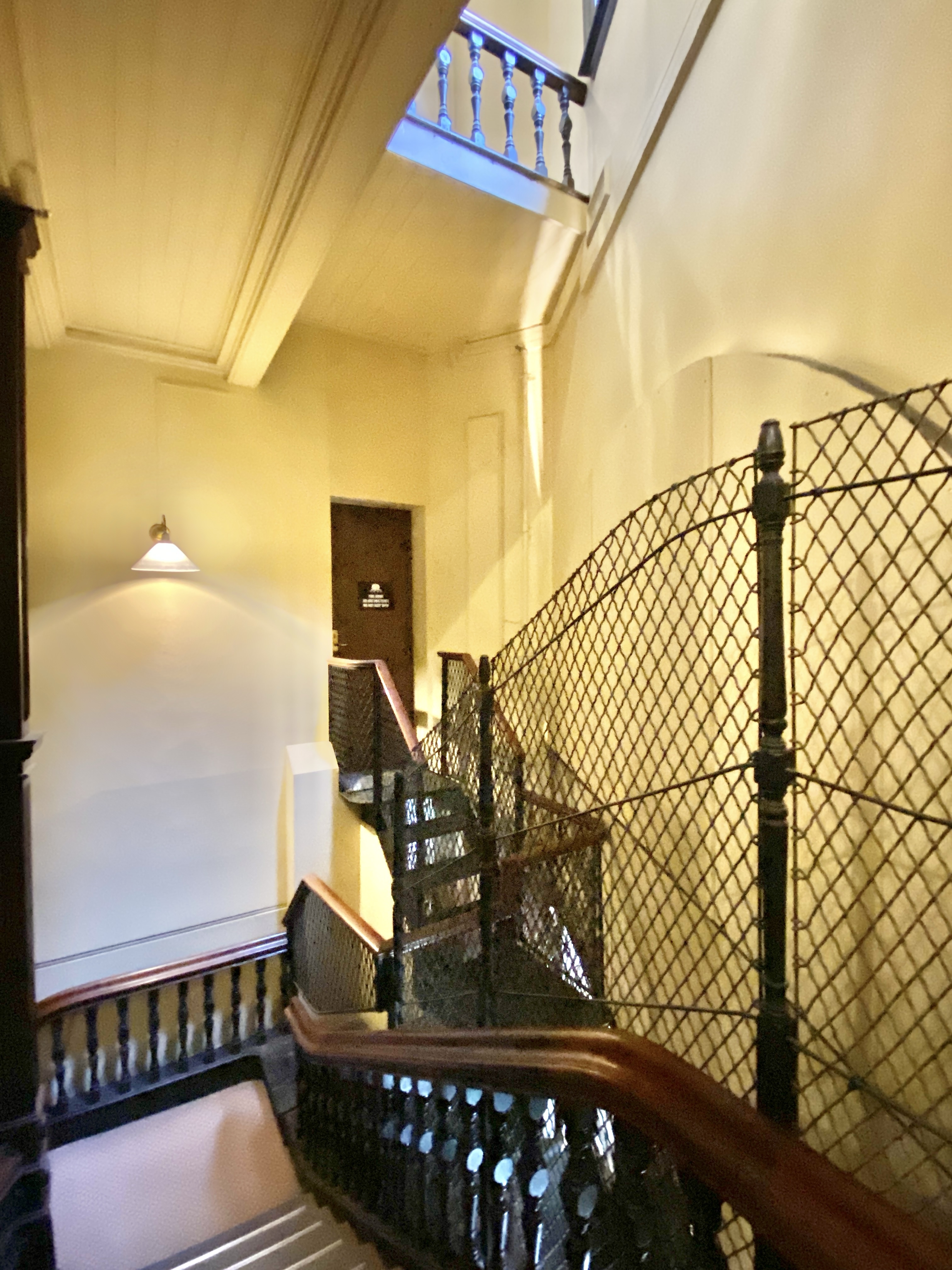
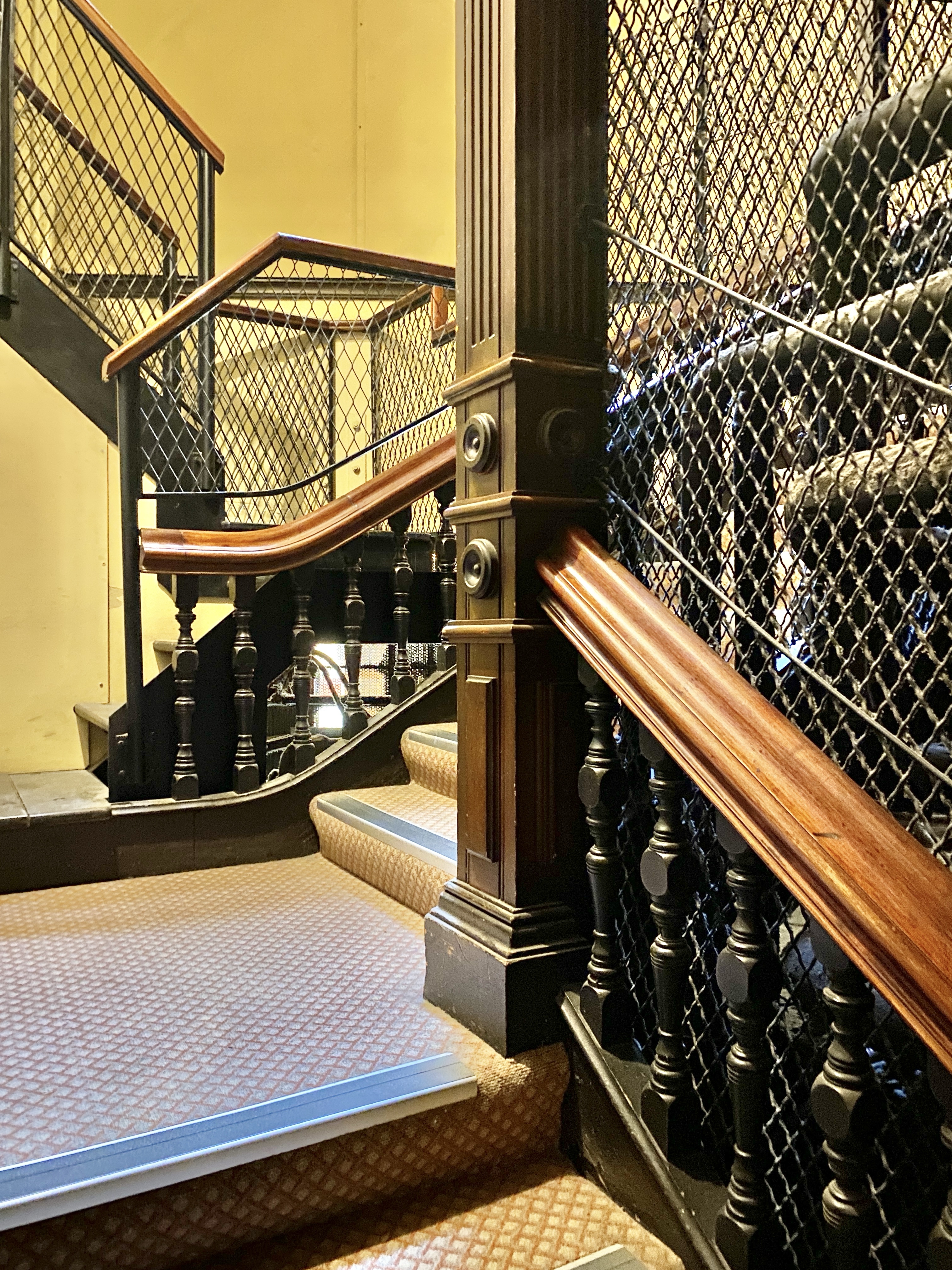
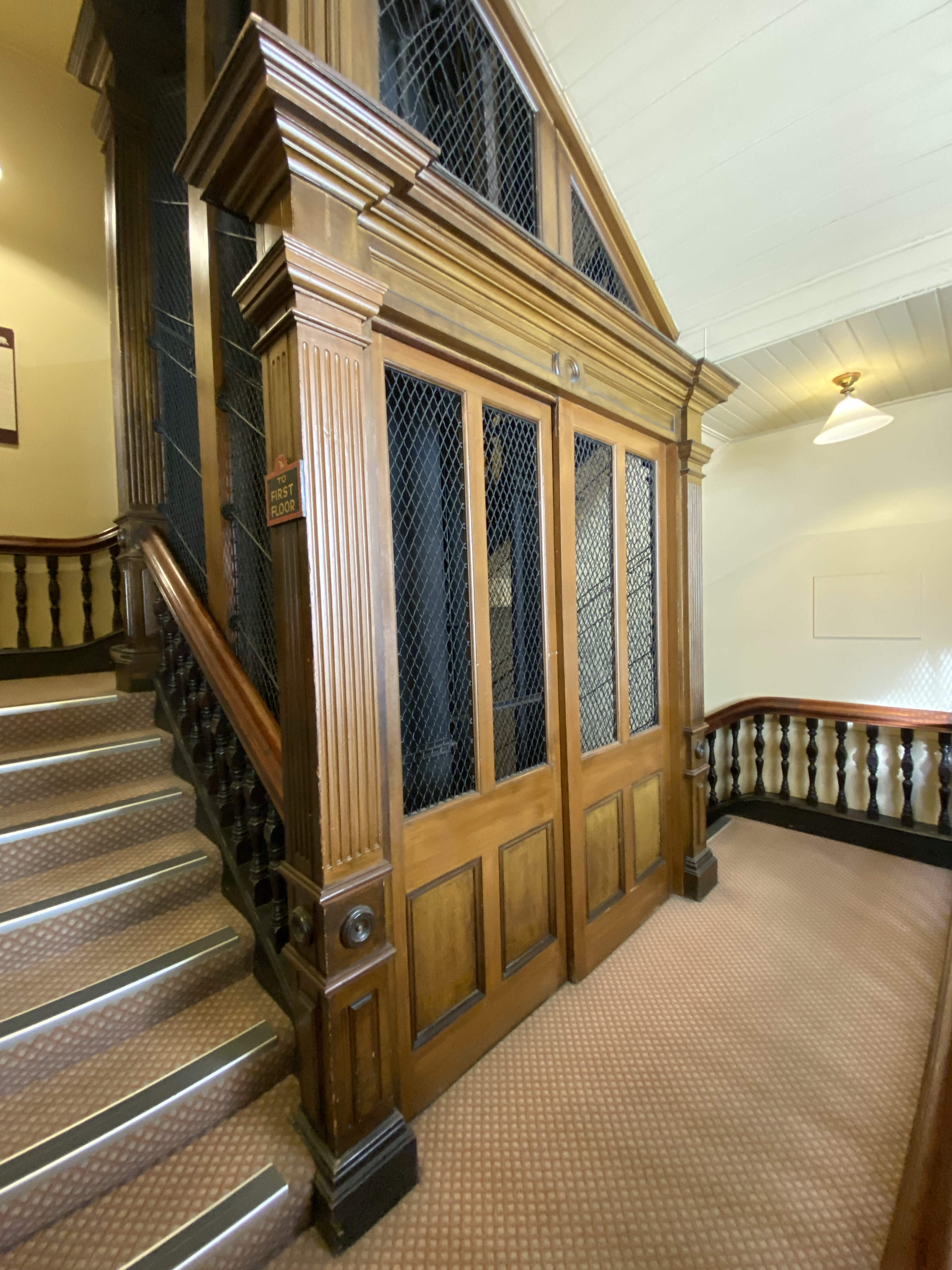
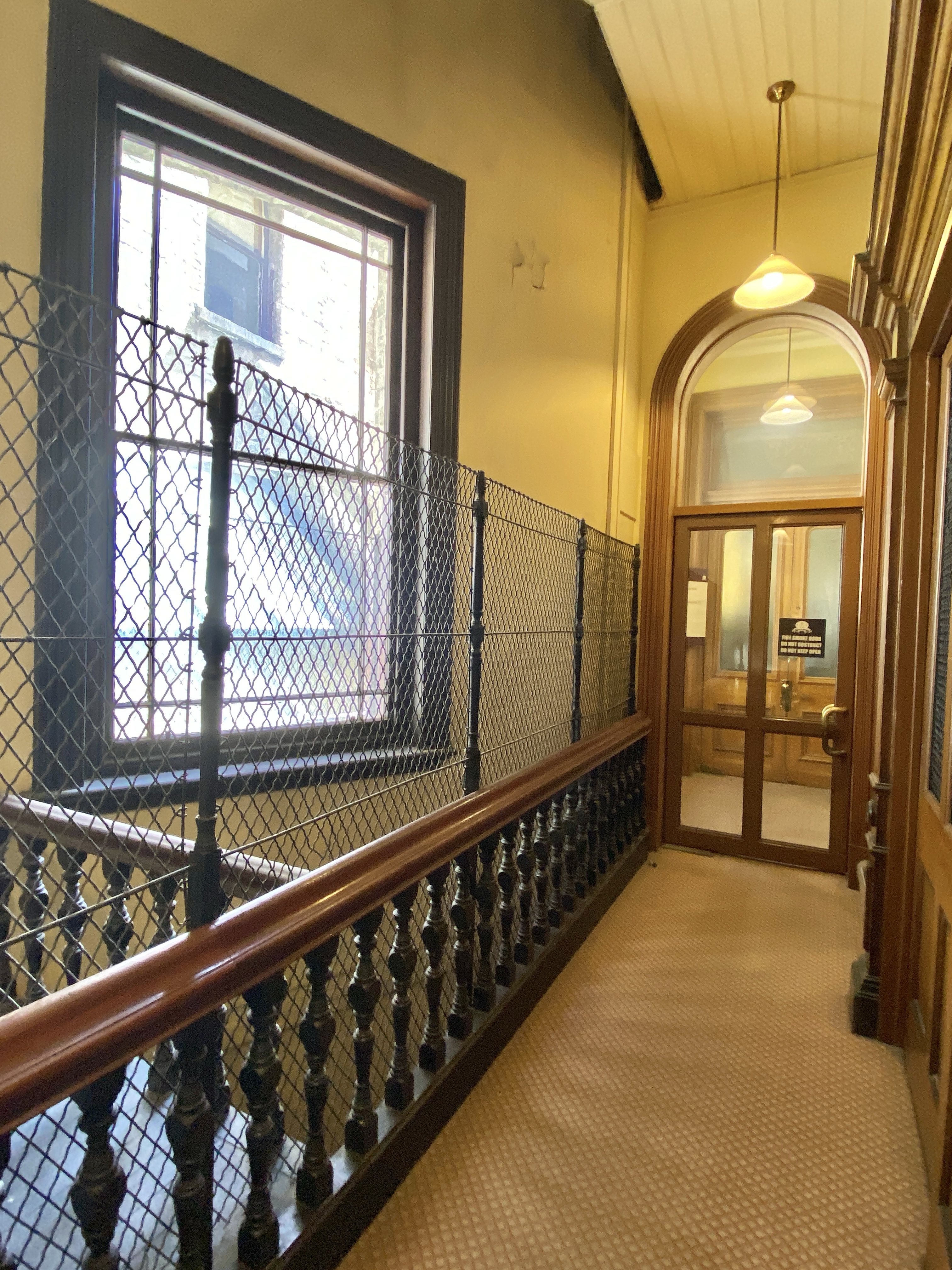
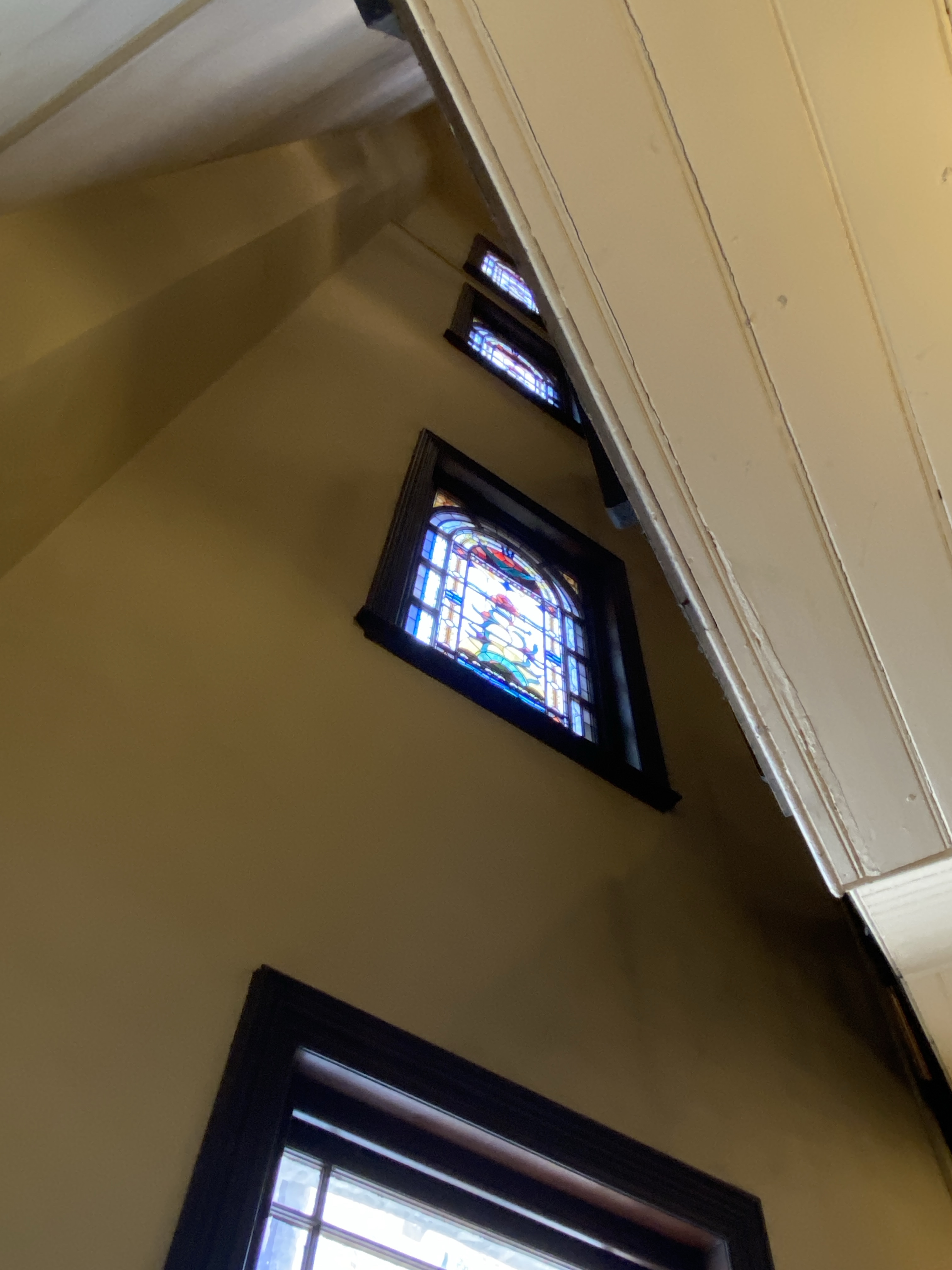
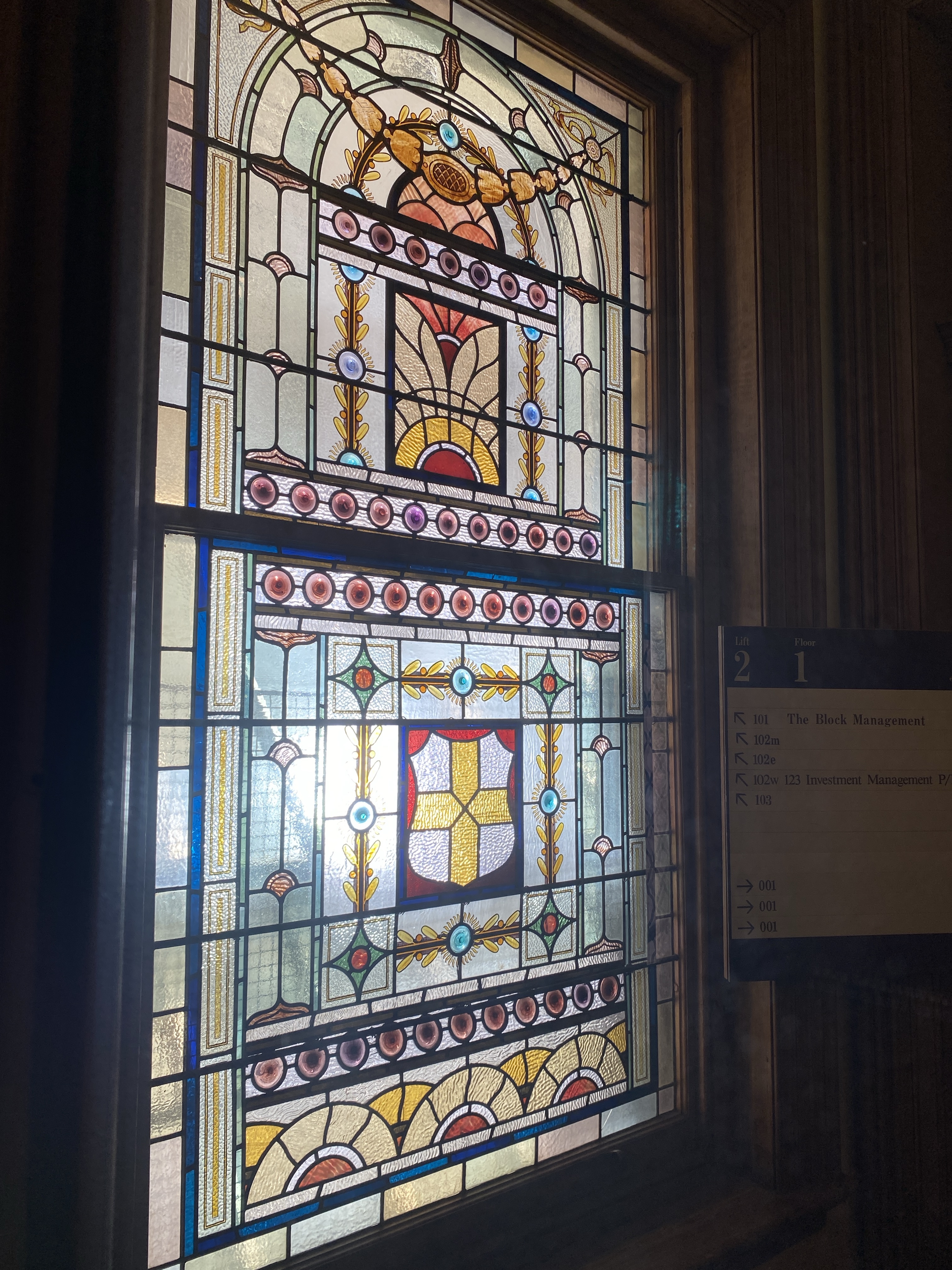
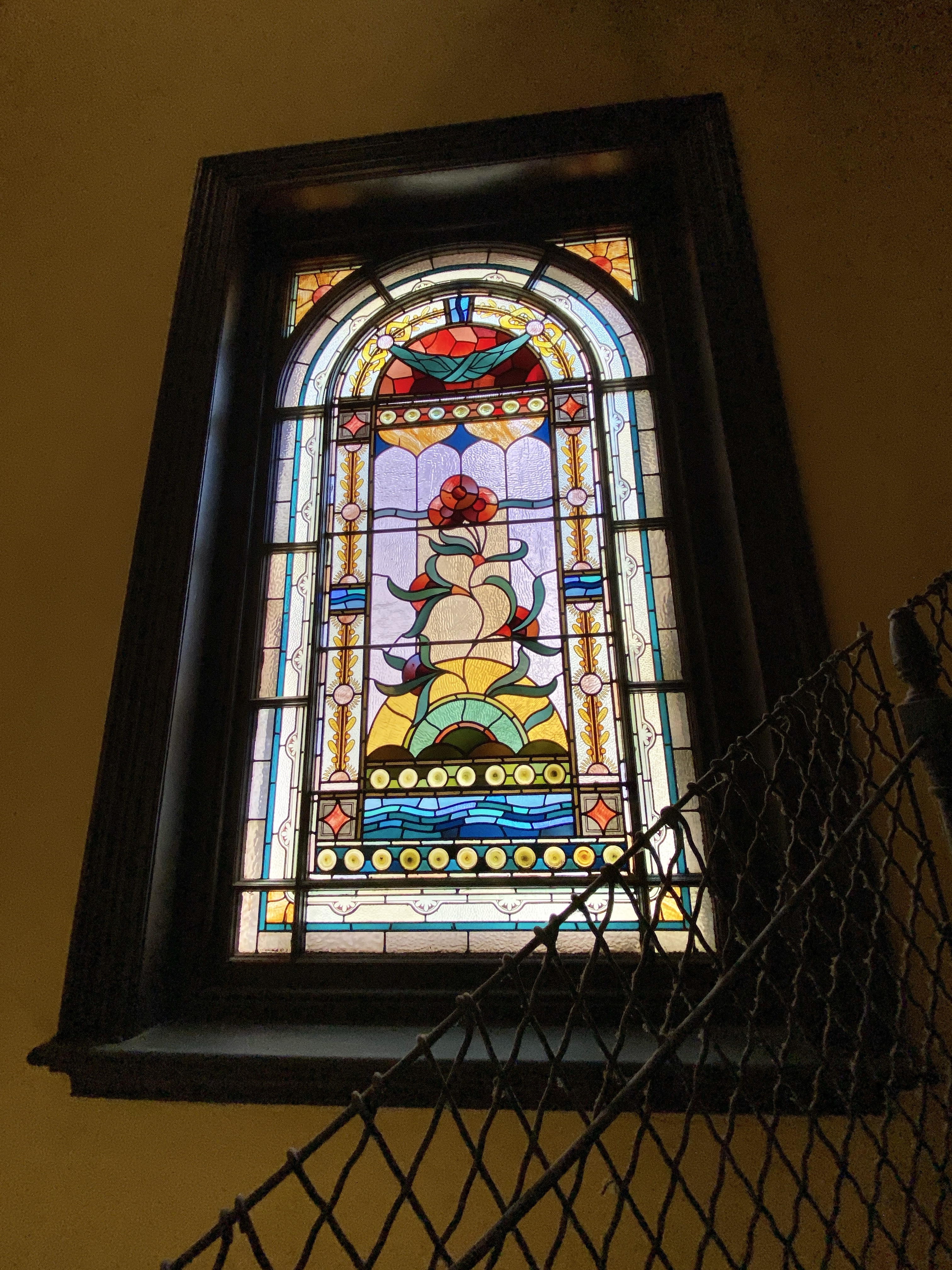
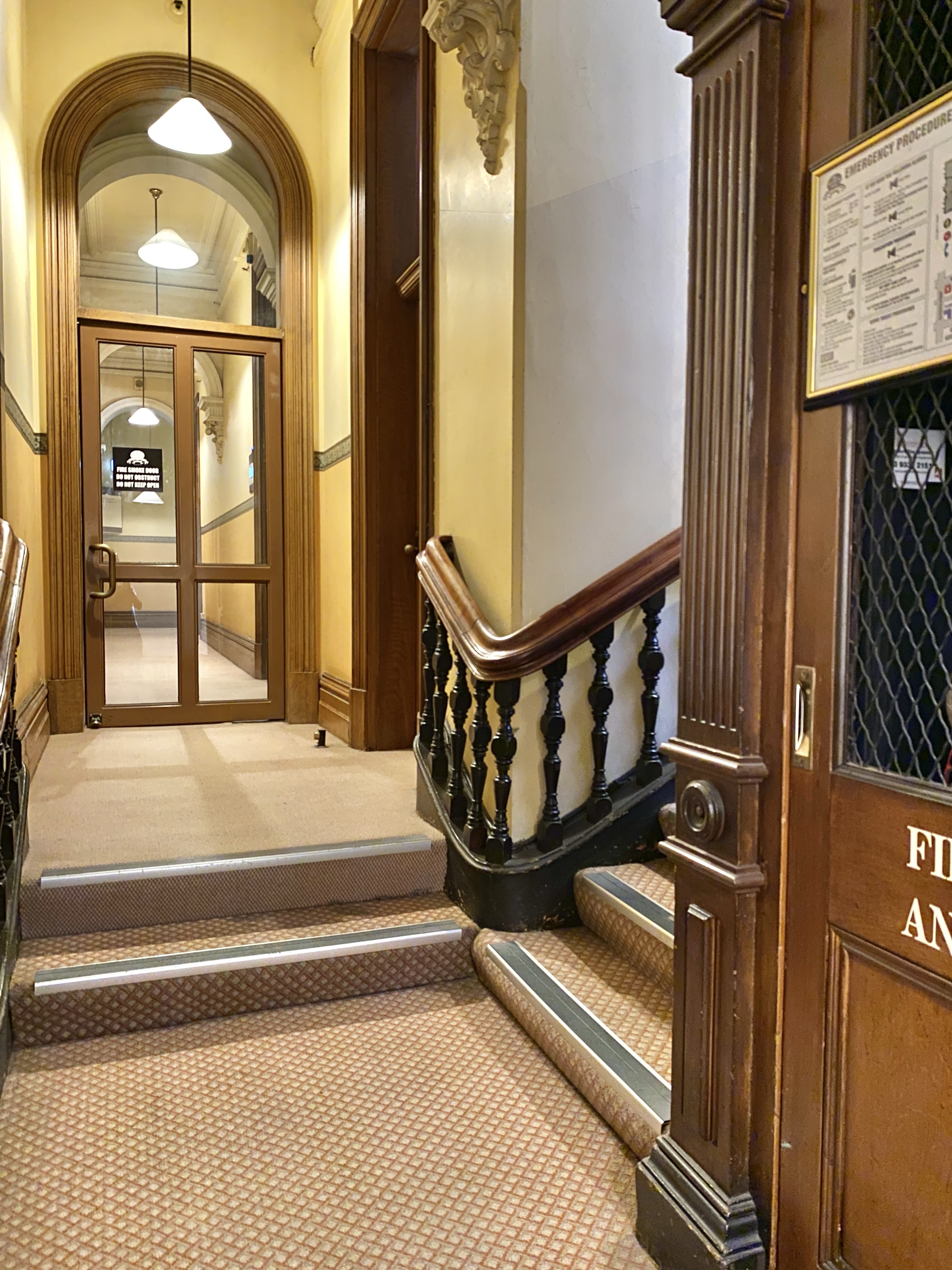
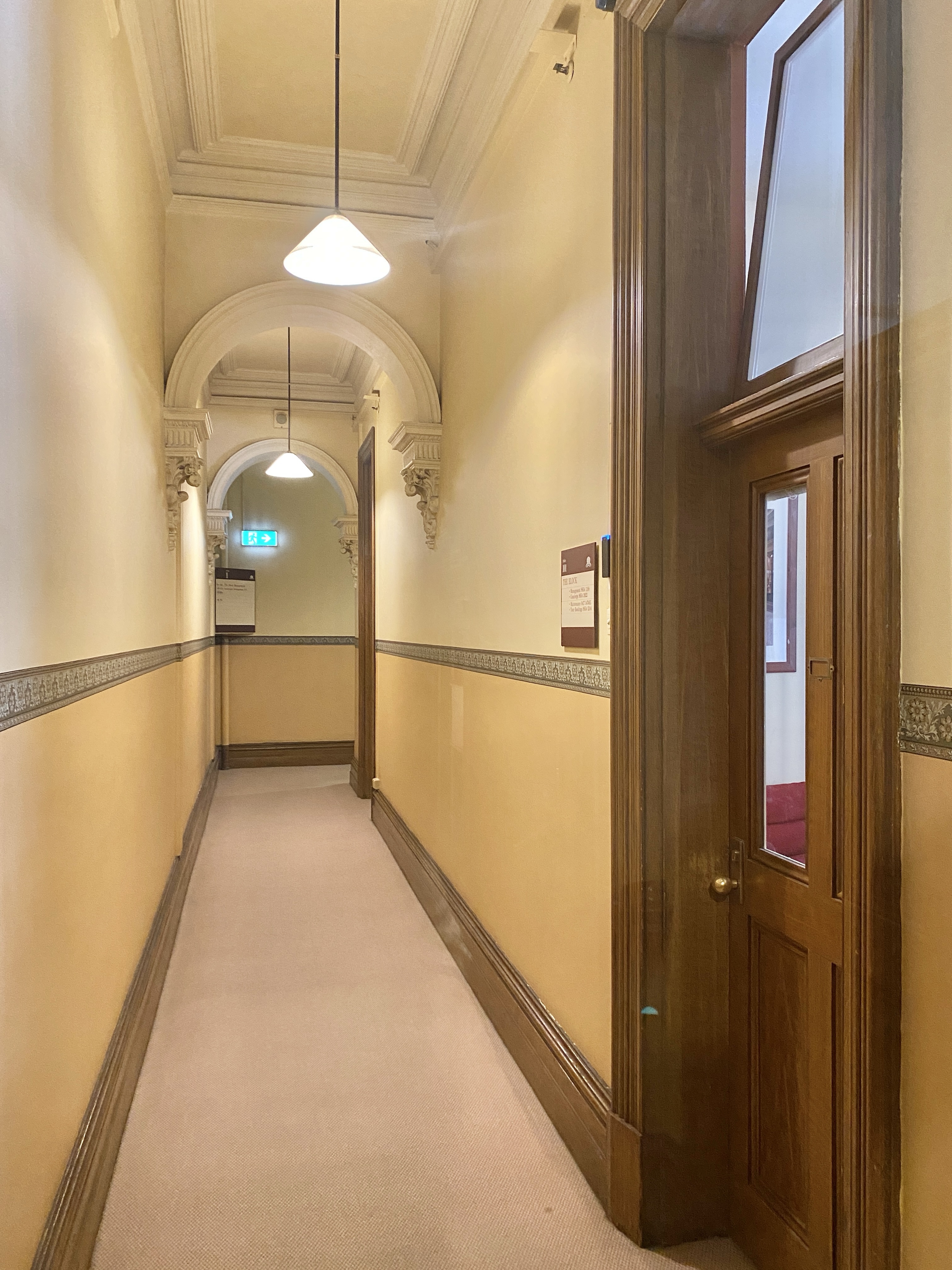
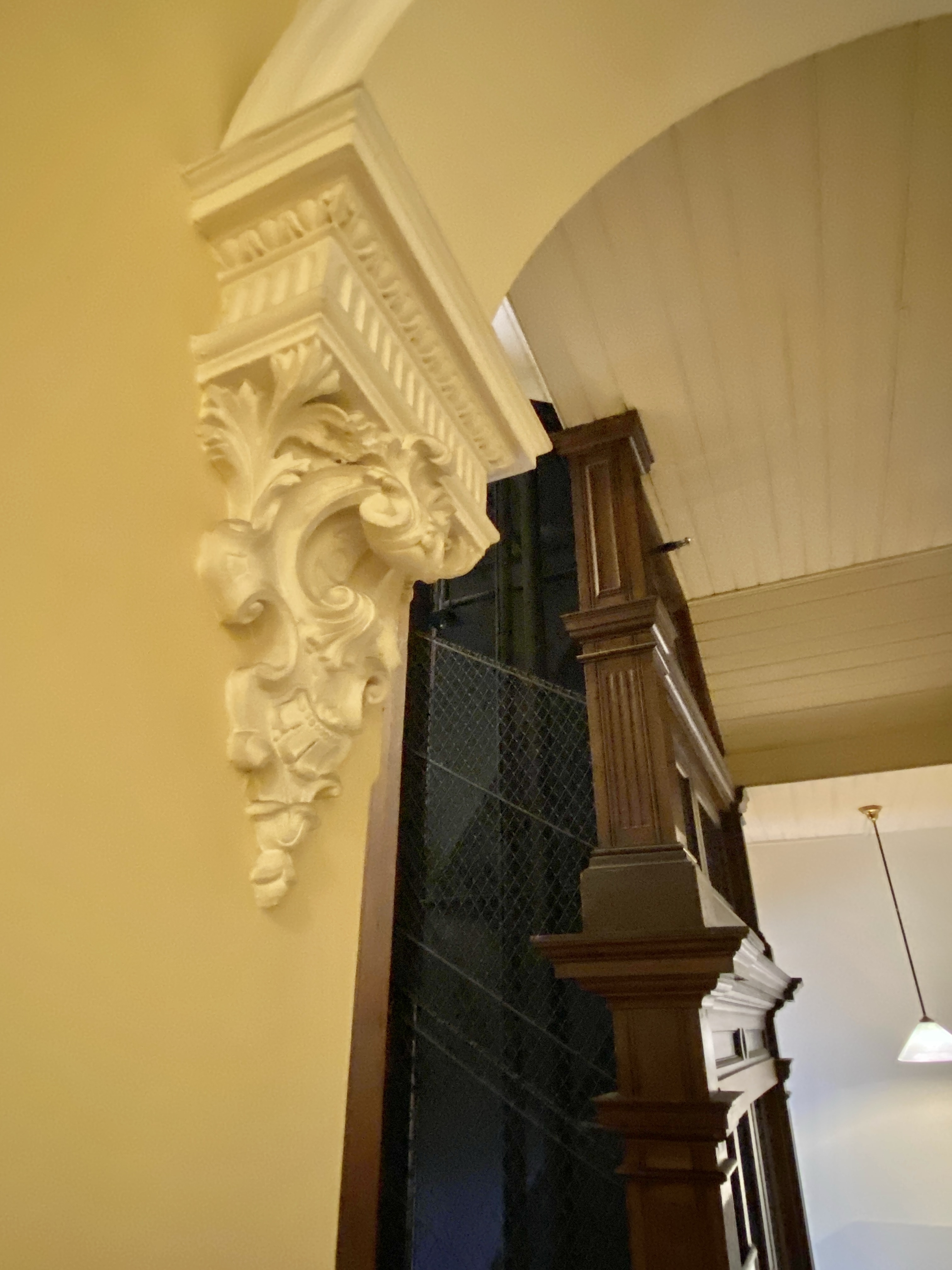
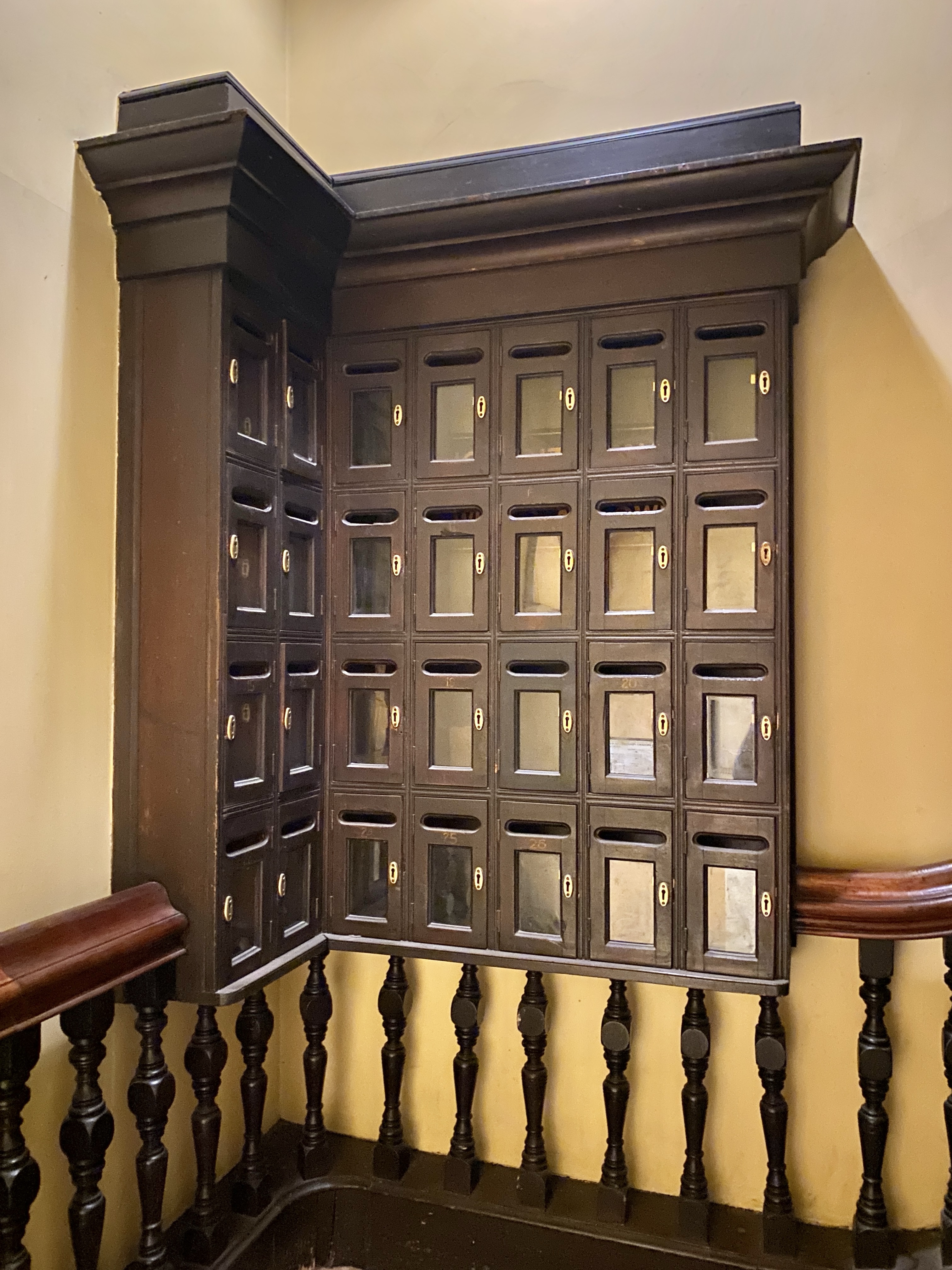
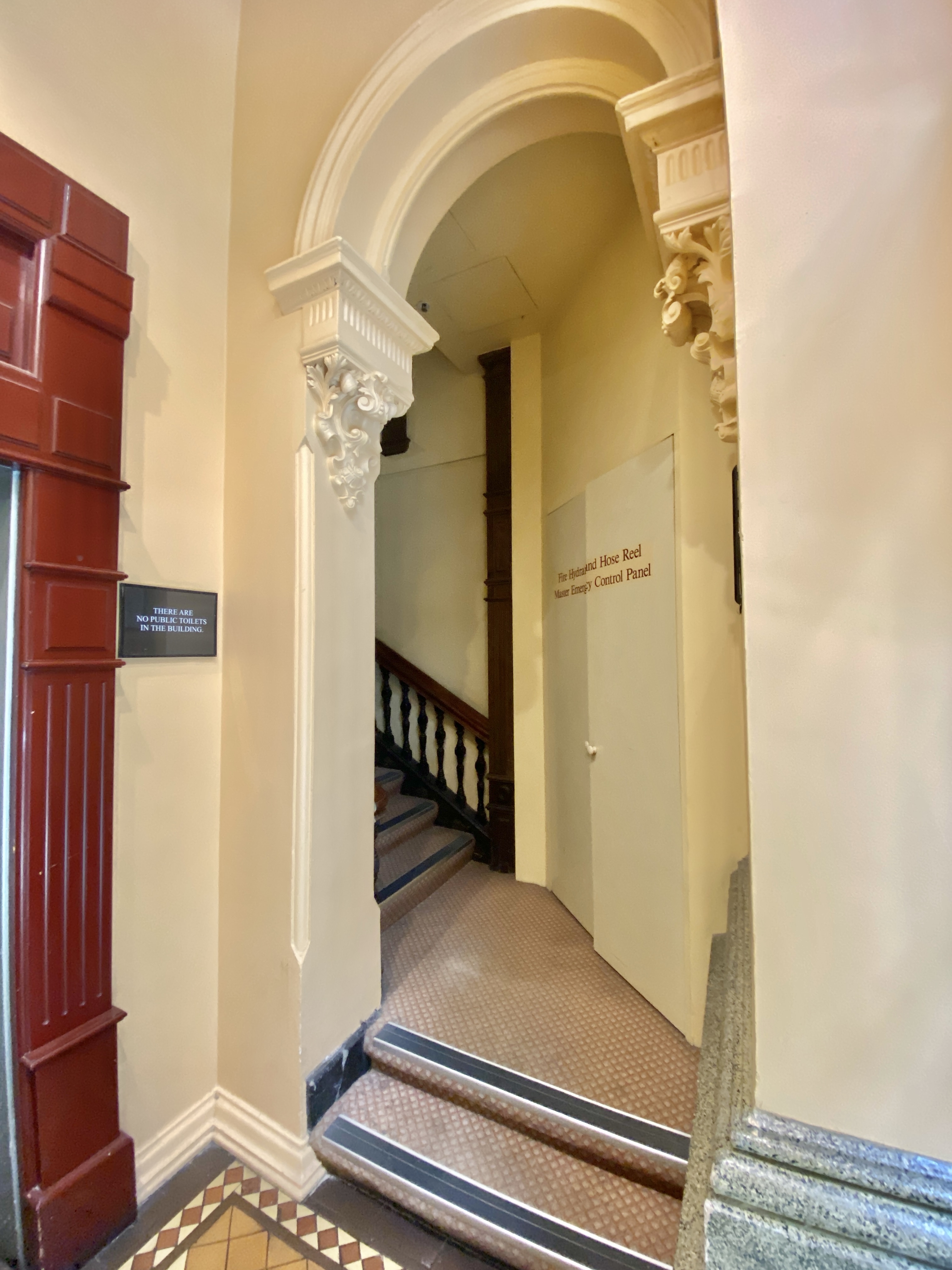
I had a memory of some tight windy stairs to get to the offices above the Block Arcade, but I’d forgotten just how convoluted! And dim. But lots of great unpainted (or restored) woodwork, including the original lift doors (lifts long gone), the stairs basically wind around the shaft, now filled with various ducts. It was an awfully long way up to the first floor, I guess since the shops are double height. This stair was in the Collins Street part, completed in 1891, designed by Twentyman & Askew, the office part feeling like they were squeezing every inch out of the space.
Nov 2025
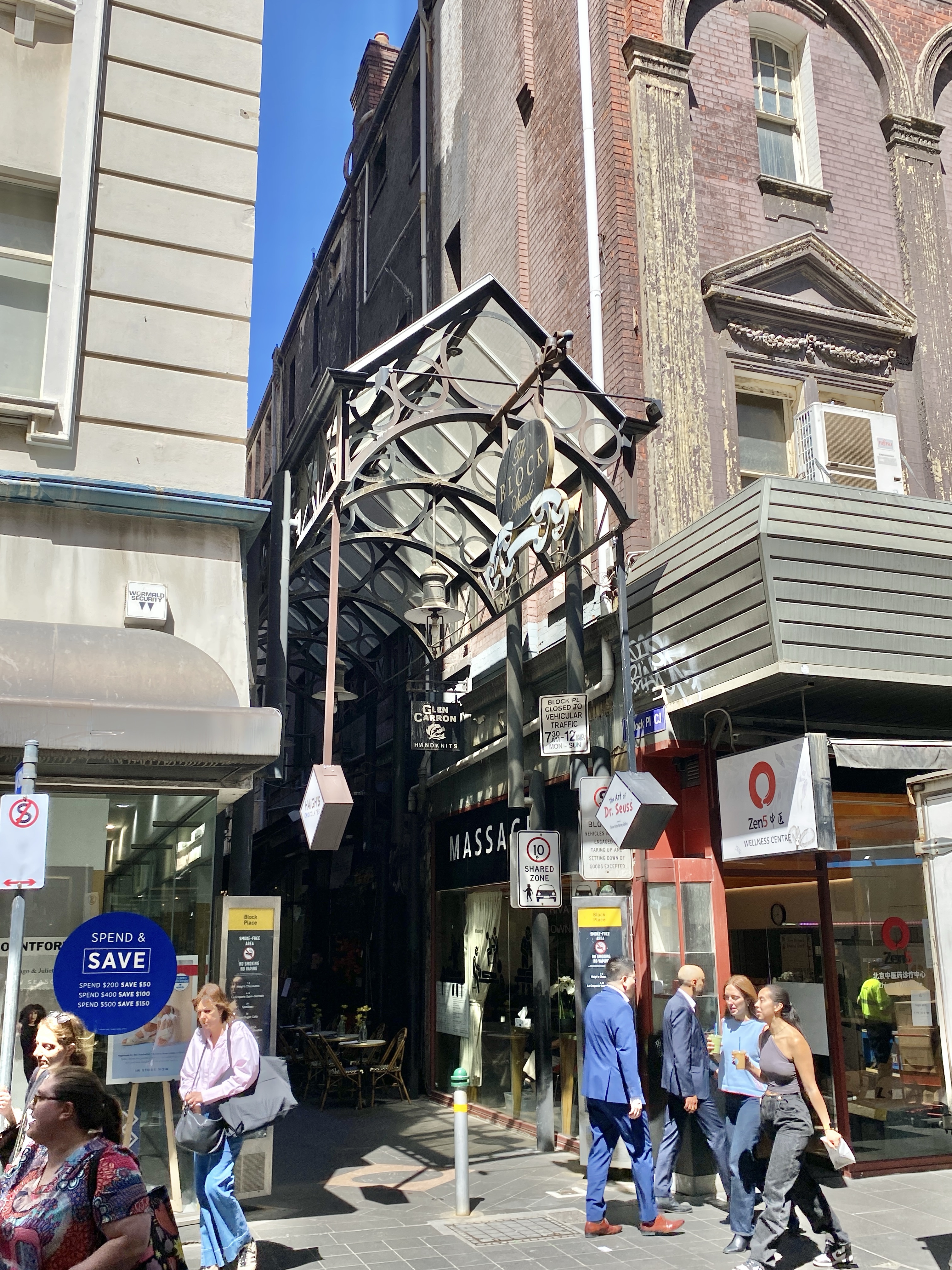
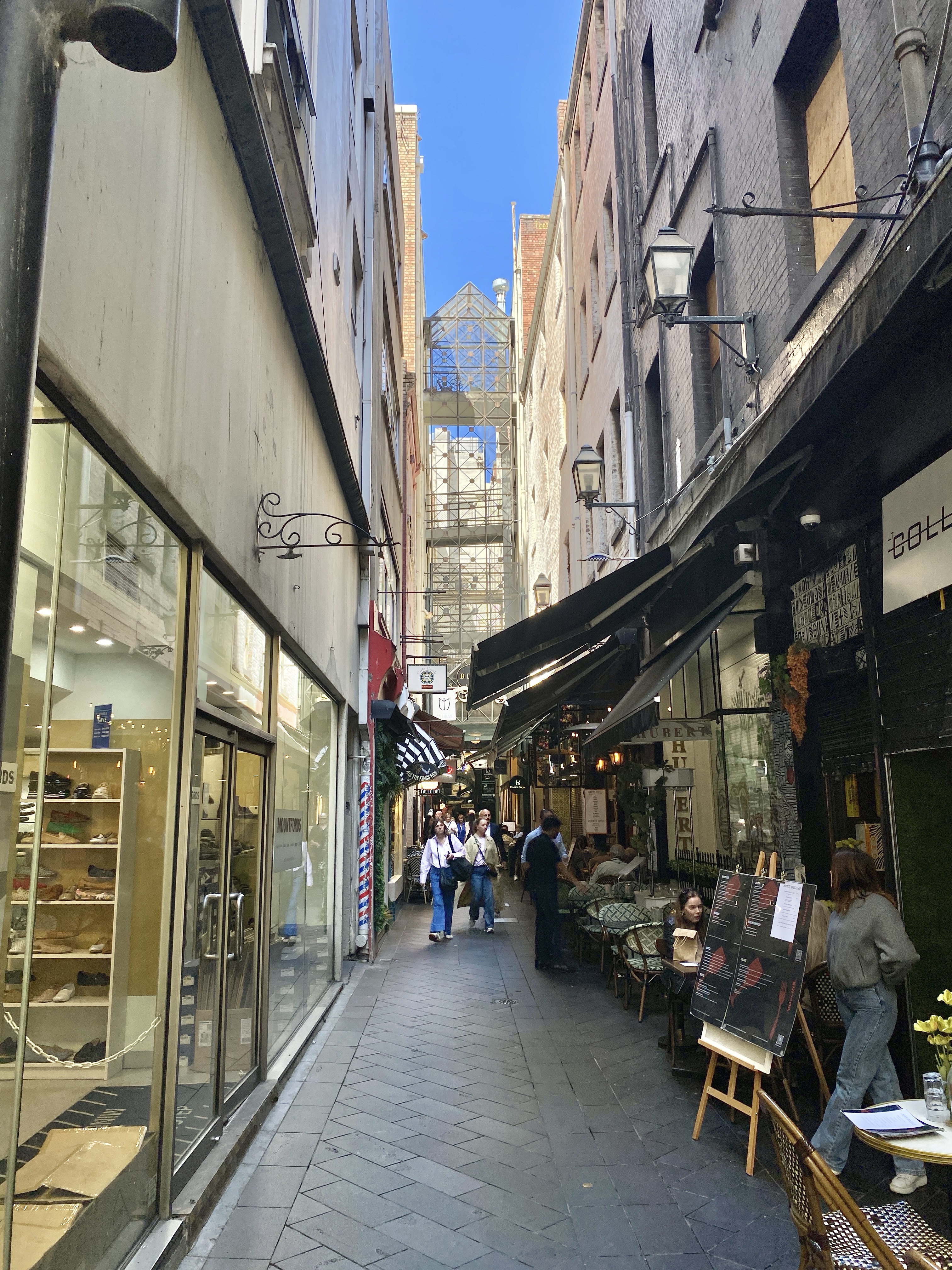
The teeny walkway Block Place that became so popular as a lunch spot in the 90s, though not so busy when I was there in October. The City of Melbourne put up the unnecessary signs and bit of canopy in the 90s. Down the back they also put gridded mesh to conceal the angled bridges that connect the two sections of the upper floors of the Block Arcade.

 Storey of Melbourne